From SEO to AEO: How Brands Can Actually Get Found in an AI-First Search World

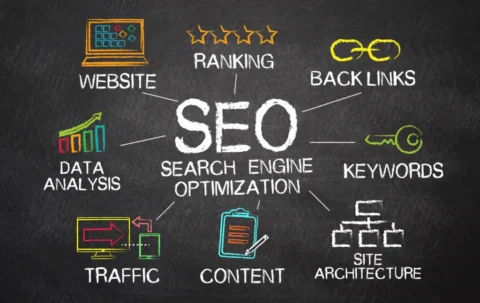
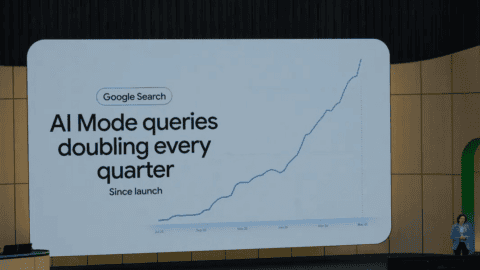
If your marketing strategy still treats Google like the center of the universe, pull up a chair. The internet just shifted—again—and the old search game isn’t just evolving, it’s completely rewriting the rulebook. We’re officially living in an AI-first search world, where answer engines—like ChatGPT, Perplexity, and Google’s AI Overviews—decide which content to surface, summarize, and trust. Instead of showing ten links, they give one answer. And here’s the kicker: they’re pulling from your site. Or, well… your competitor’s site, if you’re not paying attention. So let’s talk about what it actually means to move from SEO (Search Engine Optimization) to AEO (Answer Engine Optimization)—and how to make sure your brand doesn’t become invisible in an era where people don’t even click search results anymore. The end of “ranking” as we knew it Once upon a time, SEO was about one thing: climbing to page one. You identified keywords, built backlinks, stuffed your paragraphs just right, and hoped Google’s crawlers noticed. But answer engines don’t index the same way. They interpret. They use large language models (LLMs) to read your content like a human would—analyzing intent, tone, and clarity to figure out whether you’re actually answering a question. In AI search, it’s not enough to be keyword-rich. You need to be knowledge-rich. When ChatGPT or Perplexity generates an answer, it’s performing real-time summarization from multiple trusted sources. The key is to make your brand that trusted source. What makes content “AI-friendly”? AI engines don’t scan entire pages—they dissect pieces. Think of them as chefs gathering ingredients from everywhere to make one perfect recipe for the answer. Your job? Be the high-quality ingredient they pick every time. To do that, your content needs to hit these pillars: Beyond keywords: the new language of authority In an AI-first world, authority isn’t about quantity—it’s about context. Answer engines look for breadth of knowledge, consistency, and topical depth. That means your content strategy should intentionally build clusters of expertise. For example, instead of one blog about AI trends, build a mini-library that dives into: By connecting these articles internally, you teach both AI and readers that you’re an expert worth quoting. Building “AEO-ready” pages Here’s a practical checklist for every page Flyt Creative builds moving forward: What most brands are still doing wrong Most businesses still create for humans only, or machines only—but never both. The truth is you have to write “dually”—with AI as your first auditor and humans as your true audience. Common AEO pitfalls to avoid: When you write like a helpful expert instead of a keyword bot, AI detects confidence and clarity. The brand opportunity of AEO This shift isn’t a threat—it’s the best moment ever to build authority. Few brands are optimizing for answer engines yet, which means you’re not late. You’re early—especially if you start designing content that sounds both intentional and intelligent. AEO-focused content gets referenced more, linked more, and quoted more by AI-driven summaries. And when these summaries dominate the top of search results, that’s free marketing power you didn’t have to pay for. Key Takeaways If your content strategy doesn’t feed answer engines, you’re already half-invisible. But if you flip the script—designing posts built to teach instead of rank—the algorithm won’t just find you. It’ll feature you.
Quick Wins to Get Your Small Business Found Online (The “Get Noticed Fast” Playbook)

Let’s cut through the BS: Running a restaurant in 2025 is like trying to juggle flaming knives while blindfolded on a unicycle. Fun fact? About 30% of restaurants fail, and 17% don’t even make it past their first year. Meanwhile, your neighbor’s mediocre taco joint is somehow packed every Tuesday night. What gives?
Building a Cohesive Digital Marketing Plan (Not Just SEO!)

Let’s be real: SEO is important—super important, in fact. But if you’re pouring all your energy into SEO and ignoring everything else in your digital presence, you’re leaving growth on the table. Think of SEO as one part of a bigger puzzle. For your business to really stand out and scale, you need a marketing plan that brings all the pieces together: SEO, web design, content marketing, and social media. When these elements work in sync, your brand doesn’t just get found—it connects, converts, and sticks with people long after they leave your site. At Flyt Creative, we see this all the time: businesses get hyper-focused on one channel and forget how much stronger their results could be if everything worked together. So let’s talk about how to build a truly cohesive digital marketing plan—one that goes beyond search rankings and brings your whole brand to life online. Why Cohesion Matters in Digital Marketing Before we dive into the how-to, let’s start with the why. A cohesive digital marketing plan isn’t about doing more, it’s about doing things smarter. It’s about creating a seamless, consistent experience for your audience—whether they’re finding you through a Google search, scrolling through your Instagram, or reading one of your blog posts. When your website, SEO, content, and social media all point in the same direction, it builds trust. And trust leads to clicks, conversions, and long-term growth. What Happens Without a Unified Strategy? Without an integrated plan, your efforts can start working against each other. Maybe your social media has one tone, your blog posts have another, and your website feels like a totally different brand. Or maybe your SEO is bringing people to your site, but the site isn’t built to convert, so they leave. These gaps create friction—and in a crowded digital space, friction sends people straight to your competitors. Step 1: Start With Your Brand Foundation Before you build out any marketing tactics, take a step back and clarify your brand. This includes your voice, visual identity, and core messaging. Your website, SEO keywords, blog content, and social posts should all reflect the same story and speak to the same audience. Questions to Ask Yourself Who are we trying to reach? What problems do we solve for them? What tone and personality best reflect our brand? Are our visuals and messaging consistent across platforms? If you’re not sure about the answers, that’s a sign it might be time for a quick brand refresh. Step 2: Optimize Your Website (It’s Your Digital Home) Your website is the hub of your digital strategy. It’s where all your other marketing efforts are sending traffic—so it has to be ready when people arrive. If your site is outdated, slow, hard to navigate, or not mobile-friendly, you’re not going to get the results you want—no matter how great your SEO is. Website Must-Haves Fast load times and responsive design Clear navigation and user-friendly layout On-brand visuals and copy Strong calls to action on every page Built-in SEO elements like proper tags, clean URLs, and meta descriptions Don’t forget: your website isn’t just about design. It’s about functionality and performance. Think of it like your digital storefront—it needs to look good and work well. Step 3: Use SEO to Attract the Right Traffic SEO is still a cornerstone of your strategy—it’s how people find you. But it works best when it’s connected to everything else you’re doing. Instead of stuffing your site with keywords or chasing trends, focus on optimizing for your audience and your services. Smart SEO Tactics Do keyword research based on what your customers are searching for Optimize each page of your site for specific keywords Write helpful, relevant content that answers real questions Build internal links to guide users (and search engines) through your site Make sure your site loads fast and is mobile-optimized SEO is a long game, but when paired with a strong site and useful content, it’s incredibly effective at driving steady, qualified traffic to your business. Step 4: Create Consistent, Purposeful Content Content marketing is what gives your brand a voice. It’s how you share your expertise, show your personality, and connect with your audience. Blogs, videos, emails, and downloadable resources all help build trust and establish your authority. But content only works when it’s part of a larger strategy—not random posts whenever inspiration hits. Tips for Better Content Marketing Start with a content calendar to stay organized and strategic Write for your audience, not just for Google Tie your content to your services, FAQs, or seasonal topics Repurpose blog content into social posts, emails, or reels Track what performs best and adjust accordingly The best content marketing plans blend SEO-friendly topics with authentic, helpful information. It’s not about quantity—it’s about value. Step 5: Amplify Your Message With Social Media Social media isn’t just a nice-to-have—it’s a vital channel for building relationships and reinforcing your brand. It’s where your audience hangs out, shares recommendations, and forms impressions. When your social media aligns with your website and content, it creates a consistent brand story that people recognize and trust. Social Media Strategy Basics Choose platforms that make sense for your business (you don’t need to be everywhere!) Stay consistent with your voice, visuals, and posting schedule Share a mix of content: behind-the-scenes, client stories, tips, events, blog posts Use hashtags and geo-tags to improve discoverability Engage with your audience through comments, DMs, and community posts Your social channels are often the first touchpoint for new customers. Make sure they reflect the real you—and guide people back to your site. Step 6: Track, Measure, and Adjust A cohesive digital marketing strategy isn’t set in stone—it’s something you evolve over time. The key is to track what’s working (and what’s not) and be willing to tweak as you go. What to Measure Website traffic and bounce rates Keyword rankings and organic search growth Blog views, time on page, and engagement Social media reach, saves, comments, and shares Conversion rates from site
Local SEO Strategies for Small Businesses in the Southeast

If you’re a small business owner in the Southeast, you already know a few things for sure: the summers are hot, the humidity is relentless, and competition—whether you’re in Charleston, Myrtle Beach, Savannah, or anywhere in between—is no joke. Whether you’re running a boutique, restaurant, HVAC company, or wellness clinic, getting found by the right customers at the right time can make all the difference. That’s where local SEO comes in. At Flyt Creative, we work with businesses across the region to help them rise above the noise (and the heat), using smart local SEO strategies tailored to the unique rhythm and climate of the Southeast. Ready to bring in more local traffic—both online and on foot? Let’s dive in. What Is Local SEO and Why Does It Matter? Local SEO is the process of optimizing your online presence so that your business shows up in local search results. When someone searches for “best seafood in Murrells Inlet” or “AC repair near me,” local SEO helps make sure your business is in the mix. Google considers relevance, distance, and prominence—so your job is to clearly communicate who you are, what you do, and where you’re located. Benefits of Local SEO Helps customers find you in real time Builds trust and credibility Drives more foot traffic to your physical location Improves rankings in Google’s Local Pack and Maps 1. Claim and Optimize Your Google Business Profile If you haven’t already claimed your Google Business Profile (formerly Google My Business), start there. This free tool is crucial for showing up in local search results and on Google Maps. Tips for Optimization Fill out every field: hours, address, phone number, website Use relevant keywords in your business description Choose the right business category Upload high-quality, seasonal photos Update your profile regularly (especially for weather closures or holiday hours) 2. Encourage and Respond to Customer Reviews Customer reviews don’t just build trust—they also signal to Google that your business is active, reliable, and worth ranking. Asking for reviews should be part of your standard workflow. Best Practices for Reviews Ask happy customers to leave a Google review Respond to all reviews (yes, even the not-so-great ones) Use reviews to highlight popular services or products Incorporate keywords in your responses when appropriate 3. Build Consistent Local Citations Local citations are listings of your business’s name, address, and phone number (NAP) on other websites and directories like Yelp, Yellow Pages, and Bing Places. Google uses these to confirm your legitimacy. Citation Tips Keep your NAP info consistent across all platforms Fix incorrect or outdated listings Use tools like Moz Local or Yext to audit and manage citations Don’t forget social media profiles—they count too 4. Create Location-Specific Landing Pages If your business serves multiple cities or towns, create separate landing pages for each location. This helps you rank in searches specific to those areas. What to Include on Each Page Localized keywords (e.g. “HVAC services in Columbia SC”) Unique content for each location (don’t just copy/paste) Customer testimonials from that area Embedded map and driving directions 5. Do Local Keyword Research Knowing what your customers are searching for is key to showing up in local results. Use keyword research tools to discover phrases specific to your region and industry. How to Find the Right Keywords Use Google Autocomplete to spot trending terms Try Ubersuggest, Google Trends, or AnswerThePublic Include seasonal search terms (like “summer lawn care” or “hurricane prep tips”) Use long-tail keywords for less competitive searches 6. Publish Locally Relevant Content One of the best ways to improve local SEO? Create content that connects with your community. Think blog posts, social media updates, and videos tied to local events, weather, or regional topics. Content Ideas for Southeast Businesses “How to Beat the Heat: Summer Skincare Tips from a Myrtle Beach Spa” “Top 5 Events in Charleston This July (And What to Wear)” “Preparing Your HVAC System for Peak Humidity Season” “Beach Cleanup Recap: How Our Team Gave Back This Summer” 7. Make Sure Your Website Is Mobile-Friendly With so many people searching from their phones, especially while out and about, your website needs to load fast and look great on any device. A slow or clunky mobile experience can seriously hurt your rankings—and your reputation. Mobile Optimization Checklist Fast page load times Clickable buttons and clear menus Responsive design for all screen sizes Easy-to-find contact info 8. Embed a Google Map on Your Contact Page This simple step helps both users and search engines. Embedding a Google Map validates your physical location and adds another layer of trust for potential customers. 9. Use Schema Markup for Local Businesses Schema markup is a type of code you add to your website that gives search engines extra details about your business. It can boost your visibility in search results with rich snippets. Why Schema Helps Highlights your business hours, address, and phone Increases your chances of showing up in featured snippets Helps Google “understand” your site better 10. Stay Consistent and Keep Measuring Local SEO isn’t a one-time project—it’s an ongoing process. Make time every month to review your analytics, update your content, and monitor your Google Business insights. What worked last summer might need a refresh this year. Track These Metrics Website traffic from local searches Clicks and calls from your Google Business Profile Ranking improvements for key local terms Engagement on location-based content Let Flyt Creative Help You Stand Out Locally We get it—local SEO can feel like a lot, especially when you’re running a business and trying to stay cool in the summer heat. But the payoff is worth it. When done right, local SEO drives real traffic, builds community trust, and helps you outrank the competition—whether they’re across town or a national chain with a big ad budget. At Flyt Creative, we specialize in helping small businesses in the Southeast get found and grow with smart, effective digital strategies. From Google Business Profile optimization and local content creation to mobile-friendly web design
Leveraging Seasonal Content: How to Make the Most of Summer Events

Summer is prime time for content that connects. Longer days, warmer weather, and a packed calendar of events mean your audience is active, engaged, and looking for things to do, buy, watch, and share. That makes summer the perfect season to lean into relevant, timely content that not only speaks to what’s happening in your audience’s world—but also boosts your brand visibility, engagement, and even search engine rankings. Whether you’re a local business, an e-commerce shop, or a national brand, there’s real opportunity to tap into regional events, trending summer topics, and holidays to create seasonal content that feels fresh, fun, and totally on point. At Flyt Creative, we work with brands up and down the coast (and across the country) to build smarter marketing strategies, and seasonal content is always part of the conversation. So if you’re wondering how to create content that fits the summer vibe and actually performs—keep reading. We’ve got strategies, ideas, and tips that’ll help you make the most of the season. Why Seasonal Content Works So Well Let’s start with the big picture: why should your brand even care about seasonal content? For one, people’s interests shift with the season—and search behavior shifts right along with it. In the summer, people are looking for different things than they are in, say, January. Think: “4th of July activities near me,” “summer skincare tips,” or “best beach reads.” If your brand can create content that intersects with those seasonal search terms (while still staying true to your offerings), you’ve got a natural in. Beyond SEO, seasonal content helps build relevance and connection. When your social posts, blog articles, videos, or emails feel in tune with what your audience is currently experiencing, it makes your brand feel more human—and more trustworthy. It shows you’re not just posting for the sake of it; you’re paying attention. Map Out Your Summer Content Calendar Early We’re all about being nimble when trends pop up, but when it comes to seasonal content, a little advance planning goes a long way. The first step? Build out a summer content calendar. Start with the big tentpole moments: Memorial Day, 4th of July, Labor Day. Then layer in regionally relevant events—like local festivals, beach cleanups, concerts, or sports tournaments. Don’t forget about quirky holidays like National Ice Cream Day, World Oceans Day, or even Shark Week (especially fun for coastal brands). These smaller, often overlooked days can give you fun and low-pressure ways to engage your audience without going all-in on a full-blown campaign. Once you have your key dates, brainstorm themes or ideas that make sense for your brand. A retail boutique might spotlight red, white, and blue looks for 4th of July. A restaurant could post a summer grilling series. A service-based business might highlight summer-specific problems (humidity, sunburn, travel chaos—you name it) and offer solutions tied back to their expertise. Tie Your Offerings to What People Are Already Doing Your summer content doesn’t have to reinvent the wheel. The best seasonal content often just reframes your existing products or services in a way that matches what your audience is already thinking about. For example, if you’re a wellness brand, create content around staying hydrated during heat waves or stress management for family vacation season. If you’re in real estate, highlight tips for moving in the summer heat or getting your home ready for hurricane season. Think of it like this: what are your customers already doing this summer—and how can your brand fit into the picture naturally? Localize Your Content for Stronger Engagement and Search Visibility If you’re a business that serves a specific area or region, then local content is where you can really shine. Search engines love content that ties into local searches, and your audience will feel more connected to your brand when they see you involved in the community. That could look like blog posts about “Top 5 Family-Friendly Events in Myrtle Beach This July,” or Instagram Reels from your team at a local seafood festival. It could even be as simple as reposting user-generated content from local events you’re sponsoring or attending. And remember, local SEO is a big deal—especially for mobile searches. Google prioritizes results that are both timely and geographically relevant. So if you’re creating content around a summer event happening in your area, be sure to include local keywords (city names, event titles, etc.) in your headlines, meta descriptions, and image alt tags. Use Summer Trends to Spark Timely Conversations Part of staying relevant during summer is keeping an eye on what’s trending—on social media, in pop culture, or even in the weather. (Yes, a heatwave is absolutely a content opportunity.) Summer trends give you a chance to inject some fun, topical personality into your brand voice while staying relatable. If everyone is talking about the Barbie movie, a local boutique might do a “Barbiecore summer outfit inspo” post. If there’s a big Taylor Swift concert coming to your town, lean into the Swiftie fandom with themed content. Trends give your brand a chance to ride the wave of attention while adding your own spin. Just make sure it fits your voice and audience. Not every trend will make sense for every brand, and that’s okay. The goal isn’t to jump on everything—it’s to jump on the right things. Create Content for Multiple Platforms You don’t have to reinvent the wheel for every channel. One great seasonal idea can be repurposed across your blog, email, Instagram, Facebook, TikTok, and more. A blog post about “10 Summer Must-Haves” can become an Instagram carousel, a Pinterest graphic, a short-form video, and even part of a summer-themed email newsletter. The key is to tailor the message and format for the platform while keeping the core theme intact. And while you’re at it, be sure to use relevant seasonal hashtags (#SummerVibes, #BeachDay, #FourthOfJulyFun, etc.) and geo-tags on social media to increase discoverability. Don’t Forget the SEO Basics Seasonal content can absolutely help with your search rankings—if
Roofing Google Business Profile Optimization: Raise Your Rankings (and Your Revenue)

If you’re a roofing business and your Google Business Profile (GBP) is just sitting there half-baked like a bad roof job on a windy Tuesday… we need to talk. Because let’s be clear: If you’re not showing up in local search results, you’re missing out on easy leads. When someone’s roof starts leaking at 2 AM and they Google “roofer near me,” you want your name to pop up fast — not buried on page four next to a 2012 Yelp listing and a broken link. Your GBP is not optional. It’s the digital version of your shop sign, your phone number, and your online reputation rolled into one. And if it’s unclaimed, incomplete, or just plain sad? You’re losing business. Why Your Google Business Profile Matters for Roofing Contractors Let’s cut the fluff: Local 3-Pack = Prime Real Estate That little map section at the top of Google results? That’s where the action happens. It gets the most clicks — especially on mobile. Most Roof Jobs Start with a Search No one pulls out the Yellow Pages anymore. They’re asking Google, and they’re making a decision fast. If your profile isn’t optimized, you’re invisible. It’s Free. Seriously. Google gives you a free lead machine and all you have to do is set it up properly. Why leave money on the table? Your Step-by-Step Google Business Profile Audit for Roofing Businesses Here’s how to take your listing from “meh” to “roofing rockstar” in six steps. Step 1: Claim It (Yes, This Still Needs Saying) Go to google.com/business and claim or verify your listing. If someone else set it up (like your old marketing intern or cousin Tony), track them down and transfer ownership. Step 2: Nail the Basics Your Name, Address, and Phone (NAP) must match exactly across the web — not “Roofing Bros, Inc.” in one spot and “Roofing Bros” in another. Google hates inconsistency more than you hate storm season. Business Name = Your real business name (no keyword stuffing) Address = Physical location (PO Boxes won’t cut it) Phone = A working number you actually answer Website = Homepage or service-specific landing page Hours = Accurate, especially for emergency services Step 3: Add Roofing-Specific Categories Choose primary and secondary categories that match your work. Start with: Primary: Roofing Contractor Then add extras like: Roof Repair Metal Roofing Commercial Roofing Gutter Installation Storm Damage Restoration This helps Google understand what you do and match you with better leads. Step 4: Write a Bio That Doesn’t Suck This is your 750-character pitch. Avoid the buzzwords. Avoid the jargon. Just say what you do, where you do it, and why people should trust you to get on their roof. Example: “Based in Myrtle Beach, we’ve been fixing, replacing, and rescuing roofs for over 15 years. From hurricanes to hail damage, we handle it all. Licensed, insured, and honest as the day is long — give us a call.” Short. Clear. Human. No MBA required. Step 5: Add Photos (And Not Just Stock Ones) People want to see your work, your crew, your trucks — not a blurry photo of your business card or a generic roof from a Canva template. Upload real before/after shots Include team photos, equipment, job sites Update monthly (Google loves freshness) Pro tip: Geotag your photos with location data. It helps with local rankings. Step 6: Post Weekly (Yes, Like a Social Media Page) Most folks don’t realize your Google profile can post updates. Use this to your advantage: Job highlights Roofing tips Seasonal promos “Before the storm hits” reminders FAQs (“Do you work with insurance?”) Consistency is key — it shows Google (and customers) you’re active and open for business. Bonus Round: Review Management (a.k.a. Your Secret Weapon) If you’re not asking for reviews after a job, you’re throwing away leads. Full stop. Why? Social proof sells — Nobody hires a roofer with no reviews or 2 stars. Google ranks you higher — More positive reviews = more trust = better rankings. Your competition is doing it — Don’t get left behind because you were too shy to ask. How to Get Reviews Without Being Weird Ask right after the job is done — when the customer’s still smiling. Make it easy — send a direct link via text or email. Train your team to ask — and make it part of your closeout process. Pro tip: Reply to every review, good or bad. Show you care. Keep it professional. Even when they’re clearly crazy. The No-BS Roofing Optimization Checklist Want a quick punch list? Here you go: ✅ Claimed and verified your profile ✅ NAP is consistent across all directories ✅ Correct categories selected ✅ Solid, clear business description ✅ At least 20+ real, high-quality photos ✅ Posts updated weekly ✅ Review strategy in place and working ✅ You’re replying to reviews like a local legend Too Busy Fixing Roofs to Deal with Google? We get it. You’re up on ladders, wrangling crews, chasing permits, and dodging weather. The last thing you want to do is sit at a computer figuring out how to format a Google post or get your 37th review. That’s where we come in. At Flyt Creative, we help roofers dominate local search by optimizing their Google Business Profiles from top to bottom. We’ll clean it up, fill it out, set up a review system, and make sure leads start cranking in like clockwork. You focus on the shingles. We’ll handle the SEO. If you’re ready to actually show up in local search and start getting better leads — let’s talk. Reach out here and let’s make your Google Business Profile your new lead-generating machine.
Do You Need an AI Chatbot on Your Website?

(Or Are You Just Falling for the Hype?) Let’s cut through the noise: AI chatbots are everywhere — popping up like digital mushrooms on websites, Slack channels, and in your grandma’s Facebook Messenger. But here’s the million-dollar question for business owners, marketers, and “why-is-this-so-expensive?” decision makers: Do you really need an AI chatbot on your website? Or is it just one more tech toy collecting dust (and data)? Let’s break it down. We’ll hit the pros, the cons, some real FAQs, and even give you a no-BS review of the top AI chatbot platforms — including GoHighLevel. By the end, you’ll know if this is the missing link in your customer journey… or just a shiny object with a monthly subscription fee and a God complex. What Exactly Is an AI Chatbot? In plain English: An AI chatbot is a little robot assistant that lives on your website and talks to your visitors for you. It can: Answer questions Book appointments Recommend products Handle support inquiries Keep people on your site longer And sometimes, weirdly, flirt (but that’s a separate issue for OpenAI to handle) It’s like a tireless front-desk assistant that never sleeps, never eats, and doesn’t ask for dental. The Pros: Why an AI Chatbot Might Be Your New Best Employee 1. 24/7 Availability (Even on Holidays) People browse at weird hours. A chatbot doesn’t care if it’s 2 AM or Christmas Day — it’s always on duty. 2. Instant Answers = Less Bounce Your site visitors are impatient (blame TikTok). If they can’t find what they want in 30 seconds, they’re gone. Chatbots keep them engaged and moving forward. 3. Lead Generation on Autopilot Done right, a chatbot can capture emails, phone numbers, and appointment bookings without you lifting a finger. The bot does the small talk, you get the hot lead. 4. Customer Service Without the Payroll You don’t need to hire a whole team to handle FAQs like “What time do you open?” or “Do you have parking?” Let the bot do the grunt work. 5. Smarter Routing Some bots can detect intent and send people exactly where they need to go — like to your sales team, your booking page, or that PDF they lost three times already. The Cons: Because Nothing’s Ever That Easy 1. The Tech Can Be… Finicky We’ve all seen bots go rogue: “Hi, I’m here to help!” “Do you sell pizza?” “I’m a dental practice. Would you like to schedule an appointment?” Yikes. 2. Not All Bots Are Actually ‘Smart’ Some are just glorified FAQ dumpers. If your bot can’t understand context or handle nuance, it’s basically a clippy with worse manners. 3. It Can Feel Impersonal (If Done Poorly) If your chatbot talks like a robot that’s watched too much corporate training video, you risk alienating actual humans. 4. Setup Takes Time (Or Money) Yes, AI can do amazing things — after you teach it about your business. A truly helpful chatbot doesn’t just install itself and start working magic. 5. Privacy and Compliance Risks If your bot collects personal info (think HIPAA, GDPR, etc.), make sure it’s up to code. Otherwise, congratulations — you’ve just created a legal liability. So… Who Actually Needs an AI Chatbot? You probably do if: Your website gets traffic but not many leads You’re spending hours answering the same customer questions You want to qualify leads before they waste your time You’re tired of “Contact Us” forms ghosting you You sell services, schedule appointments, or provide info after-hours You probably don’t if: Your site gets 20 visitors a month and most are your mom You have no idea what you want your chatbot to do You’re not willing to check and tweak it occasionally You hate tech and would rather talk to people yourself (bless you. Top 5 AI Chatbot Platforms (That Don’t Suck) Here’s a breakdown of some of the best chatbot platforms for businesses, including the good, the bad, and the “wow, this costs how much?” 1. GoHighLevel Best for: Agencies, local service providers, CRM integration lovers Pros: Deep CRM tools, built-in SMS/email flows, solid support Cons: UI can be a bit clunky, not super intuitive for beginners Price: Starts at $97/month Hot Take: If you’re already in the GoHighLevel ecosystem, adding a chatbot is a no-brainer. If not, the learning curve might slow you down. 2. Tidio Best for: E-commerce and small businesses Pros: Easy to set up, live chat + chatbot combo, Shopify integration Cons: Limited logic branching on lower tiers Price: Free plan available, paid plans from $29/month Hot Take: Perfect if you want something quick and clean without hiring a developer. 3. Chatbase Best for: Custom AI bots trained on your content Pros: Upload docs or URLs, GPT-powered, easy embedding Cons: Can get pricey with more users or chats Price: Free plan with limits, paid from $19/month Hot Take: A great way to train a bot that actually knows your business, not just spouts generic answers. 4. Intercom Best for: SaaS, customer success-heavy teams Pros: Smart intent detection, advanced workflows, great UX Cons: Expensive, overkill for smaller businesses Price: Starts at $74/month but scales quickly Hot Take: Powerhouse tool if you’ve got the traffic, team, and budget to match. 5. ManyChat Best for: Social media-based businesses (especially Instagram and Facebook) Pros: Seamless Meta integration, flows built for DMs Cons: Limited for website-only use Price: Free for up to 1,000 contacts, paid from $15/month Hot Take: Killer if your customers hang out on social. Not ideal for service websites. Real Talk: How to Know If Your Bot Is Working Once you install your chatbot, here’s how to measure if it’s pulling its weight: Are more leads coming in? Are people actually engaging with it? Is it answering questions accurately? Are your support tickets going down? Does your bounce rate improve? If not, your bot might be annoying more people than it’s helping. Tweak it, train it, or get rid of it. FAQ: You Asked, We Snarked
Is SEO Dead? Let’s Set the Record Straight in 2025

Let’s cut to the chase: the internet is full of people saying that SEO is dead. It’s like the digital version of a bad horror movie, where someone yells, “The monster is dead!” every few years, only for it to pop up again, stronger, meaner, and more powerful than ever. Spoiler alert: SEO isn’t going anywhere. It’s ALIVE!! kicking, and still one of the most effective ways to make your website relevant. So, let’s debunk the myth, shall we? Is SEO Really Dead, or Are We Just Overreacting? Search Engine Optimization (SEO) has been the go-to strategy for driving organic website traffic for over a decade. But here’s the thing—SEO isn’t static. It’s not some dusty old marketing tactic that’s been left behind. If anything, it’s evolving faster than you can say, “Google algorithm update.” It’s Evolving, Not Dying If you’re still clinging to the outdated idea that SEO is just about packing keywords into your content like a bad college essay, you’re in for a rude awakening. Today’s SEO is like a fine wine—it’s matured, more sophisticated, and requires finesse. Modern SEO isn’t just about cramming keywords; it’s about creating quality content that actually answers the user’s question. Mind-blowing, right? AI, Voice Search, and the Machines Are Here to Help—Not Replace Have you ever heard of AI and voice search? These two things have been game-changers in the SEO world. As artificial intelligence continues to develop, search engines have become way smarter about understanding the intent behind your search query. It’s no longer just about the words you type into the search bar—it’s about what you really want. Voice search, on the other hand, has made it all about conversational keywords. You can now search for something by speaking naturally—”What’s the weather like today?”—and expect Google to answer. If your website isn’t optimized for these changes, you’re still writing in HTML 1995 while the rest of the world has upgraded to an innovative, sleek app interface. Let’s Talk UX: Because Google Is Watching If you think user experience (UX) doesn’t matter for SEO, think again. Google now penalizes slow-loading sites, confusing interfaces, and mobile-unfriendly designs like it’s a bad Tinder date. Websites that don’t prioritize a smooth, seamless user experience aren’t just irritating visitors—they’re getting shoved to the back of the digital line. So yeah, SEO is alive and well, but now it’s friends with UX. If you’re not optimizing for both, well… good luck. As a creative professional navigating the chaotic waters of life and marketing, I’ve observed firsthand the seductive allure of jumping on the trend bandwagon. Before you spend your creative energy on the next big thing, let’s explore why we follow trends. Is it worth being a trendsetter, or should we just stay true to ourselves? Debunking the SEO Myths: You’ve Been Lied To So, let’s debunk some SEO myths, shall we? It’s about time we put an end to the nonsense that keeps people thinking SEO is a thing of the past. Myth #1: SEO Is Just About Keywords If you think SEO is only about keyword stuffing, let me stop you. SEO is not a game of “how often can I mention ‘best SEO services’ without looking like a lunatic?” SEO now involves context—not just keywords. We’re talking about creating content that makes sense, answers questions, and provides real value to the user. Google’s algorithm is smarter than your high school teacher, so don’t even try to pull the wool over its eyes. Myth #2: SEO Is Only About Ranking Here’s the truth: ranking high on Google means nothing if people land on your site and immediately bounce. People are no longer clicking just because you have the #1 spot. They want answers, value, and a reason to stick around. SEO is now about driving quality traffic and conversions, not just rankings. A high ranking without engagement is like having a top-tier seat at a concert only for the audience to fall asleep. Yawn. Myth #3: SEO Is Too Complicated Okay, yes, SEO is more technical than just slapping a few keywords here and there, but saying it’s too complicated is like saying “learning to cook is too hard” after watching one episode of Hell’s Kitchen. There are plenty of resources out there, from beginner-friendly tools to expert-level guides, that can help you get a grip on SEO basics. It’s a process, not an impenetrable fortress. Or you could hire an expert, that is flyt. That is what we do. Myth #4: Social Media Is a Substitute for SEO Oh, how cute. Some people think social media can replace SEO because it’s a shiny new toy. Don’t get us wrong—social media is fantastic for branding and immediate engagement. But guess what? SEO brings long-term organic traffic that isn’t reliant on the whims of algorithms and trending hashtags. Social media might get you a quick surge of traffic, but without solid SEO, you’re basically putting all your eggs in a basket full of holes. Why SEO Is More Important Than Ever in 2025 Let’s get to the heart of the matter. Why is SEO still thriving in 2025? Well, let’s break it down: Google’s Algorithms Keep Getting Smarter Whenever you think you’ve cracked the SEO code, Google changes the game with a new algorithm update. And here’s the kicker: Google’s algorithms are better than ever at understanding content, user intent, and context. With updates like RankBrain and BERT, Google constantly improves its ability to deliver accurate, relevant search results. SEO isn’t dying; it’s evolving to match Google’s growing intelligence. Mobile-First Indexing: Are You Ready? Google has officially gone mobile-first. This means Google indexes the mobile version of your site before the desktop version. If your site isn’t optimized for mobile, it’s like showing up to a black-tie event in flip-flops. Mobile optimization is a must. If you haven’t made your website responsive yet, let’s say
To Trend or Not To Trend

Ah, trends. Those ever-changing fads that promise to keep us relevant, stylish, and just edgy enough to garner that perfect Instagram “like.” As a creative professional navigating the chaotic waters of life and marketing, I’ve observed firsthand the seductive allure of jumping on the trend bandwagon. Before you spend your creative energy on the next big thing, let’s explore why we follow trends. Is it worth being a trendsetter, or should we just stay true to ourselves? The Allure of Following Trends: Why We Do It Let’s face it: humans are social creatures. A 2023 survey by TrendWatch Insights found that 68% of consumers feel more confident when they follow trends. They believe this shows they are informed and socially connected. Trends, like new color schemes in design or fresh marketing ideas, guide us to social acceptance and business success. In marketing, the fear of missing out (FOMO) is a powerful motivator. A report from MarketPulse indicates that 75% of businesses feel pressured to adopt new trends to stay competitive. It’s not only about looking good; it’s also about staying relevant in a fast-changing market. Following trends can feel like chasing a moving target. However, it is often seen as essential for survival in business. The Dark Side of Trend Following: Risks You Didn’t See Coming But before you don your trend-chasing sneakers, let’s talk about the flip side. Following trends isn’t all sunshine and rainbows. It can lead to a loss of originality, turning your brand into a carbon copy of someone else’s vision. When everyone’s doing the same thing, where’s the uniqueness? Moreover, trends are fickle. What’s hot today might be passé tomorrow. Investing heavily in a trend that fizzles out can lead to wasted resources and a tarnished reputation. Think of the once-beloved New Coke debacle—proof that not every trend adaptation is a home run. Trendsetting: The Bold (and Risky) Alternative So, what’s the alternative? Be a trendsetter. It sounds glamorous, but it’s not without its perils. Being a trendsetter means stepping into the unknown, where the risk of failure is high. Not every innovative idea will resonate with your audience, and the spotlight can be unforgiving. However, the rewards can be substantial. A 2022 study by InnovateX found that trendsetting brands had 30% more customer loyalty than brands that just followed trends. Why? Because trendsetters are often seen as leaders, offering something fresh and authentic that stands out in a saturated market. Authenticity: The Secret Sauce Here’s the kicker: trendsetting is only worth the risk if it aligns with your brand’s core values and identity. Authenticity is the linchpin that holds everything together. When you set trends, you are not just copying what is popular. You are adding something special to the discussion. Take Patagonia, for example. They didn’t just jump on the sustainable fashion bandwagon—they helped create it. Their commitment to environmental activism isn’t a trend; it’s a fundamental part of their brand. This authenticity not only differentiates them but also builds a loyal customer base that trusts and supports them. To Follow or To Set? In the grand scheme of life and marketing, the choice between following trends and setting them isn’t black and white. Trends can offer a quick boost in visibility and relevance, but they come with the risk of dilution and fleeting success. Being a trendsetter takes courage and a good understanding of your brand. It can create a lasting impact and strong loyalty. So, what’s a witty, slightly sarcastic creative professional to do? Embrace a balanced approach. Stay informed about trends, but don’t feel obligated to follow every shiny new thing. Instead, focus on what genuinely resonates with your brand and audience. After all, in a world obsessed with the next big thing, authenticity is the trend that never goes out of style.
Ten Weird Moments in Marketing History

Below are ten wonderfully bizarre moments in marketing history. Each one is a shining example of advertisers flexing their creative chops—or just losing the plot entirely. Enjoy the ride! 1. Subliminal Advertising Craze (1950s–1960s) What happened:During the mid-20th century, everyone freaked out about secret “Buy This!” messages slipped into movies and print ads—stuff like “Drink Coca-Cola,” allegedly hidden in single frames. Why it’s weird:Imagine believing advertisers were actual puppet masters controlling our wallets. Turns out it was mostly hype, but the paranoia lives on whenever we catch an odd flicker in a commercial. 2. Doctor-Endorsed Cigarettes What happened:From the 1930s to the 1950s, tobacco companies ran ads where physicians in lab coats said, “I heartily recommend lighting up!” or claimed one brand was “extra soothing.” Why it’s weird:Yes, there was a time when an MD hawking cigarettes was totally normal. Looking back, we’re left thinking, “Hmm, guess the Hippocratic Oath had a loophole.” 3. The Rise of Shockvertising What happened:Brands like Benetton decided subtlety was overrated and used scandalous or graphic imagery to make you gasp. Same for PETA, which seemed to think the best way to stop animal cruelty was to shock you into vegetarianism. Why it’s weird:Outrage = headlines, which meant certain ads had the subtlety of a bull in a china shop. Effective? Sometimes. Ethical? Debatable. Memorable? Definitely. 4. Gendered Products (and “For Her” Marketing) What happened:We got razors “for men” in rugged black and neon pink pens “for women,” just in case you couldn’t handle a regular ballpoint. Why it’s weird:Because there is apparently nothing more terrifying than unisex writing implements. If your pen doesn’t match your gender identity, you might… write crookedly? 5. Mascots That Make No Sense What happened:Think the Michelin Man (a stack of tires that wants to hug you?), the Kool-Aid Man (a talking pitcher smashing through walls), and Quiznos’ Spongmonkeys (screechy potato-like creatures singing about sandwiches). Why it’s weird:Cartoon tigers pitching frosty corn flakes are one thing. A fuzzy gremlin serenading you about sub deals? That’s a fever dream with a marketing budget. 6. Infomercials and Late-Night Hype What happened:If you ever stayed up at 3 a.m. in the ‘80s or ‘90s, you witnessed glorious half-hour segments touting miracle diet pills, countertop rotisseries, or an ab machine that does the work for you—somehow. Why it’s weird:There’s something oddly hypnotic about a sprightly spokesperson yelling, “But wait, there’s more!” at 3 a.m. The louder they shout, the more we believe that “set it and forget it” is an actual life philosophy. 7. Candy Cigarettes for Kids What happened:Once upon a time, children could buy candy that looked like actual cigarette packs, puffing out imaginary smoke (a.k.a. sugar dust) to mimic grown-ups. Why it’s weird:Today, that would spark about 732 lawsuits before you could say “Kid Marlboro.” Back then, it was apparently no big deal to train the next generation of nicotine fans—before they hit grade school. 8. Guerrilla Marketing Stunts What happened:In the quest for “buzz,” brands planted suspicious packages (that turned out to be ads), staged random flash mobs, or blocked city streets with bizarre stunts. Notably, the 2007 Boston bomb scare over Cartoon Network’s LED boards was a fiasco. Why it’s weird:“Any publicity is good publicity” is questionable when your stunt involves police bomb squads. So yes, scaring half a city in exchange for brand mentions is a choice—just maybe not a great one. 9. Meme Marketing and Brand Feuds on Social Media What happened:As soon as Twitter and TikTok blew up, brands raced to be your sassy best friend or your favorite roaster, dunking on each other with memes and “witty” comebacks. Why it’s weird:“Irony-poisoned hamburger chain trolls competitor with spicy GIF” is a sentence that exists now. You decide if that’s brilliant or cringe—either way, it got everyone talking. 10. ASMR and “Oddly Satisfying” Ads What happened:Brands found out people love whispery, soothing noises, so they started filming ads of finger-licking closeups or slow crunching to give you “the tingles.” Why it’s weird:Because apparently a hushed voice describing the fluffiness of a pillow is an actual marketing strategy that can go viral. Still, if it sells chicken buckets or bed linens, who are we to judge? Marketing is Weird If history has taught us anything, it’s that when it comes to advertising, no tactic is too outlandish. Whether it’s scaring you into attention, whispering sweet nothings about your next meal, or handing out candy cigs to toddlers, someone—somewhere—once thought, “Yep, this is a winner.”