Make Your Case Online: Law Firm Website Redesigns That Win

In the legal industry, first impressions matter. For most prospective clients, your law firm’s website is that first impression—your digital handshake, your storefront, your reputation all in one. Yet, too many firms let their websites languish, risking lost leads, lower search visibility, and a credibility gap. If your law firm’s website hasn’t been updated in the last two years, you’re likely leaving money—and trust—on the table. At Flyt Creative, we specialize in transforming outdated law firm websites into modern, high-converting digital assets. Here’s why updating your law firm’s website is critical in 2025, what the process involves, and how you can ensure your site stands out in a competitive legal landscape. Why Law Firm Websites Need Regular Updates User Expectations Have Changed Clients today expect a seamless, mobile-first experience. If your website isn’t responsive, loads slowly, or looks dated, visitors will leave—often before you even know they arrived. Over 60% of legal website traffic now comes from mobile devices, making mobile optimization non-negotiable. Google Rewards Modern, Optimized Sites Search engines are constantly evolving. Google prioritizes sites that are fast, secure, mobile-friendly, and regularly updated. An outdated website can hurt your rankings, making it harder for potential clients to find you. Your Competition Isn’t Standing Still The best law firm websites in 2025 are leveraging new design trends, AI chatbots, and interactive features to engage visitors and convert leads. If your site isn’t keeping up, you’re giving competitors an easy win. Key Elements of a Modern Law Firm Website Fast, Mobile-First Design Speed matters: Aim for load times under three seconds. Responsive layouts: Your site should look and function perfectly on every device, from smartphones to desktops. Clear Navigation and User Experience Simple menus: Make it easy for visitors to find practice areas, attorney bios, and contact forms. Logical structure: Organize content so both users and search engines can easily navigate your site. High-Quality, Optimized Content Practice area pages: Targeted, keyword-rich pages help you rank for specific legal services. Educational blog posts: Answer common legal questions and demonstrate your expertise. Local SEO: Optimize for city-specific searches to attract clients in your area. Trust Signals and Professional Branding Attorney bios: Highlight credentials, experience, and results. Testimonials and reviews: Showcase client success stories to build credibility. Professional imagery: Use high-quality photos and consistent branding throughout your site. Security and Compliance SSL certificates: Encrypt your site to protect client data. GDPR compliance: Ensure privacy policies and data handling meet legal standards. Regular security audits: Stay ahead of cyber threats and maintain client trust. The Website Rescue: What Does Updating Involve? Updating a law firm website isn’t just about a fresh coat of paint—it’s a strategic overhaul designed to boost performance, credibility, and conversions. Here’s how Flyt Creative approaches a website rescue: Comprehensive Audit We start with a deep dive into your current site: Technical performance (speed, mobile-friendliness, security) Content quality and SEO optimization User experience and navigation Branding consistency and trust signals Strategic RedesignBased on the audit, we craft a redesign plan that: Modernizes your look and feel Streamlines navigation and site structure Integrates new features (AI chatbots, interactive forms, video content) Enhances accessibility and compliance SEO-First Approach Every update is made with SEO in mind: Keyword research tailored to your practice areas and location On-page SEO: meta tags, headings, internal linking, image optimization Technical SEO: sitemaps, schema markup, fast load times Content Refresh We help you update or rewrite outdated content, ensuring: Accurate, relevant legal information Engaging, client-focused language Regular blog updates for ongoing SEO value Ongoing Support and Analytics A website isn’t a “set it and forget it” asset. We provide: Regular performance monitoring Security updates and compliance checks Analytics to track leads, conversions, and ROI Common Mistakes to Avoid When Updating Your Law Firm Website Ignoring mobile users: Over half of your visitors are on mobile—don’t make them pinch and zoom. Slow load speeds: Every second of delay costs you leads. No clear call-to-action: Make it obvious what you want visitors to do next—schedule a consultation, download a resource, etc. Outdated content: Legal information changes fast; stale content erodes trust and hurts SEO. Neglecting SEO: Even the best-looking site won’t rank without proper optimization. Law Firm Website Design Trends for 2025 Stay ahead of the curve with these trends: AI chatbots: Offer instant answers and 24/7 lead capture. Video content: Showcase attorney expertise and client testimonials. Minimalist, accessible design: Clean layouts with strong typography. Interactive tools: Case evaluation forms, cost estimators, and more. Ready to Rescue Your Law Firm Website? Updating your law firm’s website is about more than aesthetics—it’s about building trust, improving visibility, and driving growth. At Flyt Creative, we blend cutting-edge design with proven SEO strategies to help law firms like yours stand out and succeed online. If your website feels outdated, loads slowly, or isn’t delivering the leads you want, it’s time for a rescue. Let’s turn your site into your firm’s most powerful marketing tool. Contact Flyt Creative today to schedule your law firm website audit and start your digital transformation.
Smarter Acquisition: Because “More Traffic” Isn’t a Growth Strategy

You’ve probably heard this before: “We just need more traffic.” Spoiler alert: that’s rarely the real problem. Most brands don’t need more visitors. They need the right people showing up with a credit card in one hand and trust in the other. At Flyt Creative, we’ve seen too many businesses spinning their wheels chasing vanity metrics — clicks, likes, impressions — while the actual sales pipeline sits there drier than a Southern biscuit with no gravy. Let’s break this down: smarter acquisition means working smarter and getting better results. If you’re looking to grow your business without burning your ad budget and your sanity, this one’s for you. What Is Smarter Acquisition, Anyway? Think of it like dating. Would you rather get 500 awkward DMs from randoms, or three quality people who actually like what you’re about? Smart acquisition = fewer weirdos, more ideal customers. It’s not about casting a wider net — it’s about putting your bait where the fish are biting. Instead of chasing sheer volume, you focus on attracting folks who are more likely to buy, stick around, and maybe even tell their friends. You know — the good kind of marketing. Here’s how to make that happen. 1. Stop Talking to Everyone (Start Talking to Your People) Your product or service isn’t for everyone — and that’s a good thing. If your messaging is trying to please the whole internet, you’re gonna end up with a watered-down, beige brand that no one remembers. Smarter acquisition starts with figuring out who you actually want to reach, and then crafting everything around them. Action Step: Create 2–3 clear, unapologetic buyer personas. Get specific: What’s their job title? What keeps them up at night? What podcast are they binging? Build your messaging like you’re writing directly to them (because you are). 2. Traffic That Converts > Traffic That Bounces Let’s say you get 10,000 site visitors. Sounds great, right? But if 9,999 of them bounce faster than a toddler on a sugar rush, what’s the point? You don’t just need traffic. You need intent-based traffic — people actively searching for what you offer, not just doom-scrolling or clicking by accident. How to attract buyers, not browsers: Use SEO to target high-intent keywords (skip “What is” and lean into “Best software for…”) Run Google Ads that hit people at decision-making moments Write landing pages that speak directly to their problem Action Step: Audit your top 10 keywords. Are they attracting people ready to buy… or just people who are bored at work? Adjust accordingly. 3. Turn Lookers Into Leads With Conversion-Ready Content If your website is just a digital brochure, we need to talk. Smart acquisition means using your content to move people from “Hmm, interesting” to “Where do I sign?” That means optimizing for conversions — not just pageviews. Make sure you: Have a clear CTA on every page (no guessing games) Use lead magnets that solve a specific pain point Tell real stories (case studies > corporate fluff) Remove friction (your forms shouldn’t feel like tax season) Action Step: Open your homepage right now. Is it obvious what the visitor should do next? If not, fix that first. 4. Don’t Ghost Your Leads Getting the lead is step one. What you do next is what actually matters. Too many businesses collect emails like Halloween candy and then… nothing. Smart acquisition includes nurturing, because not everyone is ready to buy on day one. Give them a reason to stick around. How to stay top-of-mind: Send a welcome email sequence that’s actually helpful (and human) Run retargeting ads that don’t make people want to throw their phone Share success stories, not just sales promos Action Step: Write a 3-part email series: “Here’s what you just signed up for” “Here’s how others used it to win” “Here’s your next step if you’re serious” Then automate it and get on with your day. 5. Know Your Numbers or Stay in the Dark If you’re not measuring your customer acquisition performance, you’re driving blindfolded with a busted GPS. The goal isn’t to impress with metrics — it’s to optimize what’s working and cut what’s not. Track these religiously: CAC (Customer Acquisition Cost): How much you’re spending to land a new customer CLV (Customer Lifetime Value): How much that customer’s worth over time Conversion Rate: Duh. Lead Quality: Are your leads legit or just freeloaders? Action Step: Pull your last 30 days of data. What channels brought in the most leads? Which ones converted? What did it cost you? Now you know where to double down. 6. Map the Whole Journey, Not Just the First Click Think of the customer journey like a road trip. If your content only gets them to the first gas station, don’t be surprised when they turn around. Smart acquisition covers the whole journey — from awareness to action to advocacy. Top of Funnel: Blog posts, social media, useful tips Middle of Funnel: Comparison guides, webinars, emails Bottom of Funnel: Demos, reviews, “why choose us” pages Action Step: Sketch your customer journey from “just found you” to “can’t live without you.” Now ask: Do you have content that supports every stage? If not, start with the stage where you’re losing people. So… DIY or Hire a Lead Generation Agency? Let’s be honest — you can absolutely do a lot of this yourself. There are amazing tools out there (some free, some not-so-free), and with enough caffeine and YouTube videos, you can start building smarter funnels. But here’s the catch: consistent, strategic marketing takes time — and probably more than you think. And if that time’s coming out of your evenings, weekends, or actual paid client work, that’s a problem. Sometimes the smart move is handing the reins to someone who lives and breathes this stuff, so you can focus on what you do best. Ready for More Leads (The Smart Way)? We’re Flyt Creative — a digital marketing agency that doesn’t waste time, money, or your potential. We
Roofing Google Business Profile Optimization: Raise Your Rankings (and Your Revenue)

If you’re a roofing business and your Google Business Profile (GBP) is just sitting there half-baked like a bad roof job on a windy Tuesday… we need to talk. Because let’s be clear: If you’re not showing up in local search results, you’re missing out on easy leads. When someone’s roof starts leaking at 2 AM and they Google “roofer near me,” you want your name to pop up fast — not buried on page four next to a 2012 Yelp listing and a broken link. Your GBP is not optional. It’s the digital version of your shop sign, your phone number, and your online reputation rolled into one. And if it’s unclaimed, incomplete, or just plain sad? You’re losing business. Why Your Google Business Profile Matters for Roofing Contractors Let’s cut the fluff: Local 3-Pack = Prime Real Estate That little map section at the top of Google results? That’s where the action happens. It gets the most clicks — especially on mobile. Most Roof Jobs Start with a Search No one pulls out the Yellow Pages anymore. They’re asking Google, and they’re making a decision fast. If your profile isn’t optimized, you’re invisible. It’s Free. Seriously. Google gives you a free lead machine and all you have to do is set it up properly. Why leave money on the table? Your Step-by-Step Google Business Profile Audit for Roofing Businesses Here’s how to take your listing from “meh” to “roofing rockstar” in six steps. Step 1: Claim It (Yes, This Still Needs Saying) Go to google.com/business and claim or verify your listing. If someone else set it up (like your old marketing intern or cousin Tony), track them down and transfer ownership. Step 2: Nail the Basics Your Name, Address, and Phone (NAP) must match exactly across the web — not “Roofing Bros, Inc.” in one spot and “Roofing Bros” in another. Google hates inconsistency more than you hate storm season. Business Name = Your real business name (no keyword stuffing) Address = Physical location (PO Boxes won’t cut it) Phone = A working number you actually answer Website = Homepage or service-specific landing page Hours = Accurate, especially for emergency services Step 3: Add Roofing-Specific Categories Choose primary and secondary categories that match your work. Start with: Primary: Roofing Contractor Then add extras like: Roof Repair Metal Roofing Commercial Roofing Gutter Installation Storm Damage Restoration This helps Google understand what you do and match you with better leads. Step 4: Write a Bio That Doesn’t Suck This is your 750-character pitch. Avoid the buzzwords. Avoid the jargon. Just say what you do, where you do it, and why people should trust you to get on their roof. Example: “Based in Myrtle Beach, we’ve been fixing, replacing, and rescuing roofs for over 15 years. From hurricanes to hail damage, we handle it all. Licensed, insured, and honest as the day is long — give us a call.” Short. Clear. Human. No MBA required. Step 5: Add Photos (And Not Just Stock Ones) People want to see your work, your crew, your trucks — not a blurry photo of your business card or a generic roof from a Canva template. Upload real before/after shots Include team photos, equipment, job sites Update monthly (Google loves freshness) Pro tip: Geotag your photos with location data. It helps with local rankings. Step 6: Post Weekly (Yes, Like a Social Media Page) Most folks don’t realize your Google profile can post updates. Use this to your advantage: Job highlights Roofing tips Seasonal promos “Before the storm hits” reminders FAQs (“Do you work with insurance?”) Consistency is key — it shows Google (and customers) you’re active and open for business. Bonus Round: Review Management (a.k.a. Your Secret Weapon) If you’re not asking for reviews after a job, you’re throwing away leads. Full stop. Why? Social proof sells — Nobody hires a roofer with no reviews or 2 stars. Google ranks you higher — More positive reviews = more trust = better rankings. Your competition is doing it — Don’t get left behind because you were too shy to ask. How to Get Reviews Without Being Weird Ask right after the job is done — when the customer’s still smiling. Make it easy — send a direct link via text or email. Train your team to ask — and make it part of your closeout process. Pro tip: Reply to every review, good or bad. Show you care. Keep it professional. Even when they’re clearly crazy. The No-BS Roofing Optimization Checklist Want a quick punch list? Here you go: ✅ Claimed and verified your profile ✅ NAP is consistent across all directories ✅ Correct categories selected ✅ Solid, clear business description ✅ At least 20+ real, high-quality photos ✅ Posts updated weekly ✅ Review strategy in place and working ✅ You’re replying to reviews like a local legend Too Busy Fixing Roofs to Deal with Google? We get it. You’re up on ladders, wrangling crews, chasing permits, and dodging weather. The last thing you want to do is sit at a computer figuring out how to format a Google post or get your 37th review. That’s where we come in. At Flyt Creative, we help roofers dominate local search by optimizing their Google Business Profiles from top to bottom. We’ll clean it up, fill it out, set up a review system, and make sure leads start cranking in like clockwork. You focus on the shingles. We’ll handle the SEO. If you’re ready to actually show up in local search and start getting better leads — let’s talk. Reach out here and let’s make your Google Business Profile your new lead-generating machine.
Do You Need an AI Chatbot on Your Website?

(Or Are You Just Falling for the Hype?) Let’s cut through the noise: AI chatbots are everywhere — popping up like digital mushrooms on websites, Slack channels, and in your grandma’s Facebook Messenger. But here’s the million-dollar question for business owners, marketers, and “why-is-this-so-expensive?” decision makers: Do you really need an AI chatbot on your website? Or is it just one more tech toy collecting dust (and data)? Let’s break it down. We’ll hit the pros, the cons, some real FAQs, and even give you a no-BS review of the top AI chatbot platforms — including GoHighLevel. By the end, you’ll know if this is the missing link in your customer journey… or just a shiny object with a monthly subscription fee and a God complex. What Exactly Is an AI Chatbot? In plain English: An AI chatbot is a little robot assistant that lives on your website and talks to your visitors for you. It can: Answer questions Book appointments Recommend products Handle support inquiries Keep people on your site longer And sometimes, weirdly, flirt (but that’s a separate issue for OpenAI to handle) It’s like a tireless front-desk assistant that never sleeps, never eats, and doesn’t ask for dental. The Pros: Why an AI Chatbot Might Be Your New Best Employee 1. 24/7 Availability (Even on Holidays) People browse at weird hours. A chatbot doesn’t care if it’s 2 AM or Christmas Day — it’s always on duty. 2. Instant Answers = Less Bounce Your site visitors are impatient (blame TikTok). If they can’t find what they want in 30 seconds, they’re gone. Chatbots keep them engaged and moving forward. 3. Lead Generation on Autopilot Done right, a chatbot can capture emails, phone numbers, and appointment bookings without you lifting a finger. The bot does the small talk, you get the hot lead. 4. Customer Service Without the Payroll You don’t need to hire a whole team to handle FAQs like “What time do you open?” or “Do you have parking?” Let the bot do the grunt work. 5. Smarter Routing Some bots can detect intent and send people exactly where they need to go — like to your sales team, your booking page, or that PDF they lost three times already. The Cons: Because Nothing’s Ever That Easy 1. The Tech Can Be… Finicky We’ve all seen bots go rogue: “Hi, I’m here to help!” “Do you sell pizza?” “I’m a dental practice. Would you like to schedule an appointment?” Yikes. 2. Not All Bots Are Actually ‘Smart’ Some are just glorified FAQ dumpers. If your bot can’t understand context or handle nuance, it’s basically a clippy with worse manners. 3. It Can Feel Impersonal (If Done Poorly) If your chatbot talks like a robot that’s watched too much corporate training video, you risk alienating actual humans. 4. Setup Takes Time (Or Money) Yes, AI can do amazing things — after you teach it about your business. A truly helpful chatbot doesn’t just install itself and start working magic. 5. Privacy and Compliance Risks If your bot collects personal info (think HIPAA, GDPR, etc.), make sure it’s up to code. Otherwise, congratulations — you’ve just created a legal liability. So… Who Actually Needs an AI Chatbot? You probably do if: Your website gets traffic but not many leads You’re spending hours answering the same customer questions You want to qualify leads before they waste your time You’re tired of “Contact Us” forms ghosting you You sell services, schedule appointments, or provide info after-hours You probably don’t if: Your site gets 20 visitors a month and most are your mom You have no idea what you want your chatbot to do You’re not willing to check and tweak it occasionally You hate tech and would rather talk to people yourself (bless you. Top 5 AI Chatbot Platforms (That Don’t Suck) Here’s a breakdown of some of the best chatbot platforms for businesses, including the good, the bad, and the “wow, this costs how much?” 1. GoHighLevel Best for: Agencies, local service providers, CRM integration lovers Pros: Deep CRM tools, built-in SMS/email flows, solid support Cons: UI can be a bit clunky, not super intuitive for beginners Price: Starts at $97/month Hot Take: If you’re already in the GoHighLevel ecosystem, adding a chatbot is a no-brainer. If not, the learning curve might slow you down. 2. Tidio Best for: E-commerce and small businesses Pros: Easy to set up, live chat + chatbot combo, Shopify integration Cons: Limited logic branching on lower tiers Price: Free plan available, paid plans from $29/month Hot Take: Perfect if you want something quick and clean without hiring a developer. 3. Chatbase Best for: Custom AI bots trained on your content Pros: Upload docs or URLs, GPT-powered, easy embedding Cons: Can get pricey with more users or chats Price: Free plan with limits, paid from $19/month Hot Take: A great way to train a bot that actually knows your business, not just spouts generic answers. 4. Intercom Best for: SaaS, customer success-heavy teams Pros: Smart intent detection, advanced workflows, great UX Cons: Expensive, overkill for smaller businesses Price: Starts at $74/month but scales quickly Hot Take: Powerhouse tool if you’ve got the traffic, team, and budget to match. 5. ManyChat Best for: Social media-based businesses (especially Instagram and Facebook) Pros: Seamless Meta integration, flows built for DMs Cons: Limited for website-only use Price: Free for up to 1,000 contacts, paid from $15/month Hot Take: Killer if your customers hang out on social. Not ideal for service websites. Real Talk: How to Know If Your Bot Is Working Once you install your chatbot, here’s how to measure if it’s pulling its weight: Are more leads coming in? Are people actually engaging with it? Is it answering questions accurately? Are your support tickets going down? Does your bounce rate improve? If not, your bot might be annoying more people than it’s helping. Tweak it, train it, or get rid of it. FAQ: You Asked, We Snarked
How to Elevate Your Brand Story: 5 Creative Strategies That Work in 2025
Every brand, every company, has a story worth telling—one that sparks connection, builds trust, and turns casual visitors into loyal fans. Whether you’re launching a new business or reinventing your identity, storytelling is your most powerful marketing tool, not just a trendy buzzword. So, how do you make your mark in 2025? Here are 5 creative strategies we’re using right now to sharpen brand storytelling—and how you can use them too. 1. Be Real, Be AuthenticIn a world full of scripted, salesy content, audiences crave authenticity. They want real voices, genuine stories, and brands that stand for something. Ask yourself: What makes your brand human? ✔️ Share behind-the-scenes glimpses✔️ Spotlight your team and their passions✔️ Own your origin story—even the messy bits When your audience sees the people behind the brand, trust comes naturally. 2. Use Video to ConnectVideo continues to dominate, and in 2025, it’s the perfect tool for storytelling. Whether it’s quick Reels, in-depth YouTube content, or dynamic homepage banners, video delivers emotion like nothing else. Pro tip: Use founder stories, customer testimonials, and process walkthroughs to show what makes your brand unique. Keep it real—raw, authentic video is what cuts through the noise. 3. Design That Speaks to the HeartYour visuals are part of your story. Every font, color, layout, and animation should reflect the mood and message you want to share. At Flyt Creative, we build emotion into every pixel. Because good design doesn’t just look good—it makes people feel something. Moodboards, animations, typography, and micro-interactions all enhance the emotional experience your audience has with your brand. 4. Make It InteractiveStorytelling isn’t just for passive consumption anymore. The more you involve your audience, the more invested they become. Want to level up your storytelling? Add interactive elements: Branded quizzes (e.g. “What’s your creative style?”) Polls & surveys (crowdsource new ideas) Augmented reality (virtual try-ons or immersive tours) The future of storytelling is interactive. And interactive content keeps people coming back. 5. Tell a Story with PurposeCustomers want to back brands that reflect their values. Your story should go beyond what you do to show why you do it. If sustainability, inclusion, mental health, or community impact are part of your mission, make them a key part of your story. Just keep it authentic—this isn’t about checking boxes, it’s about showcasing what you truly care about. Purpose-driven storytelling attracts customers who care. Final Thoughts: Storytelling with Flyt CreativeIn 2025, your brand story is your competitive edge. It’s what transforms a product into a personality, and a business into a movement. The brands that connect with their audience win, and that connection starts with a great story. At Flyt Creative, we specialize in uncovering, crafting, and sharing your most compelling narrative—from visuals and voice to video and web content. Ready to elevate your brand story? Let’s fly.
Web Design That Converts: 7 Essentials for a High-Performing Website
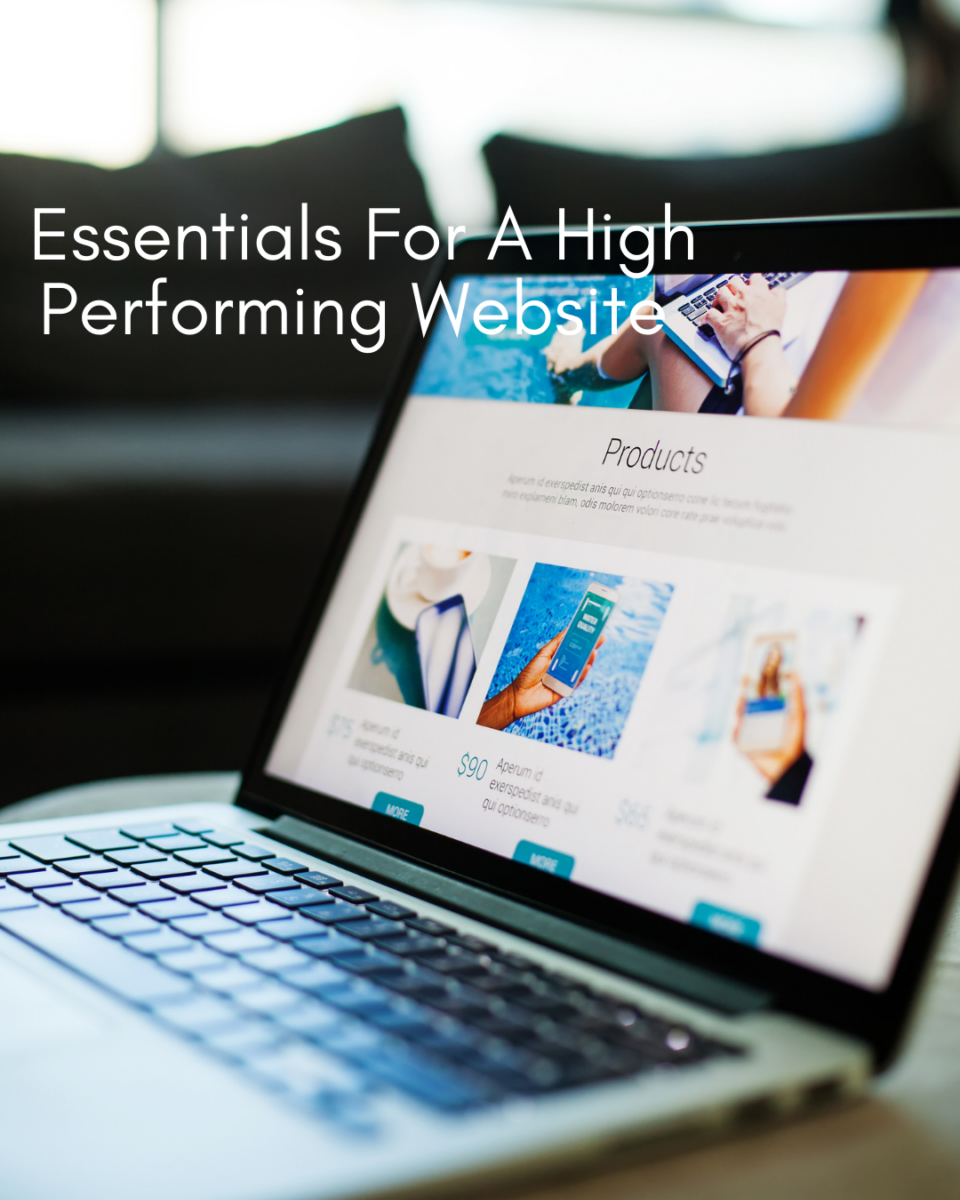
Your website is more than a digital business card—it’s your 24/7 salesperson. But is it actually working for you? At Flyt Creative, we design with one goal in mind: conversion. Whether you want more leads, more sign-ups, or more sales, your website has to do more than look pretty. It needs to perform. Here are 7 must-haves every high-converting website needs in 2025: 1. Clear, Intuitive Navigation If your site visitors feel lost, they bounce. Period. Think of your navigation like a GPS—it should guide users exactly where they want to go, with zero confusion. Keep menus simple Use clear labels (no clever-but-confusing jargon) Create a strong homepage hierarchy Pro tip: Follow the “three-click rule”—users should reach any key page in three clicks or less. 2. Mobile-First (Not Just Mobile-Friendly) More than half of all web traffic happens on mobile, and in 2025, that number’s still climbing. Your site shouldn’t just shrink to fit—it should be designed for mobile-first behavior. Think: thumb-friendly buttons, fast loading times, and content that flows vertically. Google prioritizes mobile UX in rankings, so this is a performance + SEO win. 3. Use White Space Like a Pro Clutter kills conversions. Strategic white space gives your content breathing room and helps users focus on what matters. Clean layouts = clear messaging = higher conversions. At Flyt Creative, we believe in design that feels spacious, modern, and intentional. Less noise. More clarity. 4. Speed = Sales Website speed isn’t optional—it’s non-negotiable. Slow load times don’t just hurt your SEO, they literally cost you customers. According to Google, bounce rates skyrocket when load time passes 3 seconds. ⏱️ Use image optimization, efficient code, and fast hosting to keep your site snappy. 5. Strong Calls-to-Action (CTAs) What do you want users to do? Click? Book? Buy? Tell them—clearly and confidently. “Let’s Talk” “Get Your Free Quote” “Download the Guide” Your CTA buttons should stand out visually, use action-driven language, and appear early and often on every page. 6. Social Proof = Instant Credibility You can talk about how great you are—or you can let your happy clients do it for you. Showcase testimonials Feature logos of brands you’ve worked with Link to Google reviews or case studies Social proof builds trust fast. And trust leads to conversion. 7. Consistent Brand Voice + Visuals Your brand should feel cohesive from top to bottom—logo, colors, type, tone, and messaging. Inconsistency creates friction and confuses users. Your site should be an extension of your brand experience: sharp, strategic, and uniquely you. At Flyt Creative, we blend branding + web seamlessly so your users know exactly who you are from the first click. Final Thoughts: Let Flyt Creative Elevate Your Web Presence Your website isn’t just a “nice-to-have”—it’s your most valuable marketing tool. With the right strategy and design, it can become your top-performing salesperson. At Flyt Creative, we specialize in building websites that don’t just look good—they convert. Ready to level up your web design? Let’s create something that works.
The Power of Brand Consistency: Why Every Touchpoint Matters in 2025
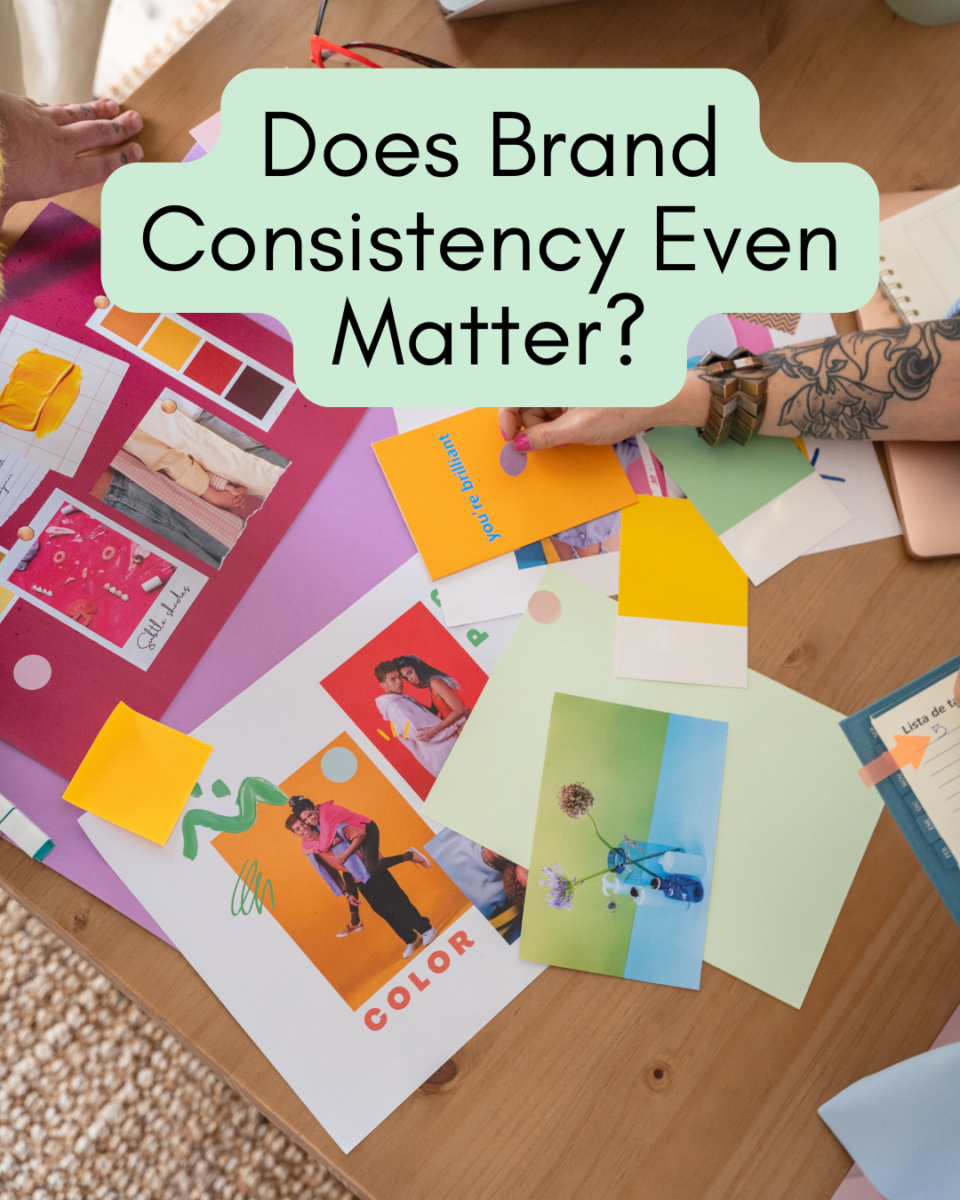
Consistency is more than just a buzzword. It’s the cornerstone of building a brand that stands the test of time, creates lasting impressions, and builds trust across every platform. A consistent brand experience doesn’t just look polished—it works. When every touchpoint of your business, from your website to your social media channels, speaks in the same tone and visual language, it amplifies your message and builds brand loyalty. Here’s why brand consistency is crucial in 2025—and how you can make it your superpower. The Psychology of Consistency: How Repetition Builds Trust Brand consistency isn’t just about creating a unified aesthetic—it’s about making your audience feel confident and secure every time they interact with your business. According to research, consumers are more likely to purchase from a brand they recognize and trust. 🔑 Trust is built through repetition. When your brand looks, feels, and communicates consistently across all channels, it sends a clear message that you are dependable, reliable, and committed to your audience’s experience. Touchpoint 1: Your Logo & Visual Identity Your logo is often the first thing people notice about your brand. It’s your identity wrapped up in a simple design, and it should be instantly recognizable wherever it appears. 🎨 Consistency Tip: Ensure your logo’s color scheme, typography, and overall style are used the same way across all platforms—from your website to social media profiles and marketing materials. When your logo and visual identity are consistently applied, people start to connect those visuals with your values and mission. Touchpoint 2: Website & User Experience Your website is often the first interaction a customer has with your brand—and it should reflect the same personality and tone you use on social media and in your marketing materials. 🔑 Consistency Tip: Make sure your website’s design, language, and overall user experience match your brand voice. For example, if your brand is fun and energetic, your website should reflect that in its design and copy. Additionally, ensure your website’s structure and functionality are consistent. Easy navigation, fast load times, and mobile optimization are non-negotiable when creating a seamless user experience that converts. Touchpoint 3: Social Media Presence In 2025, social media is one of the most direct ways to connect with your audience, but it’s easy to fall into the trap of inconsistent messaging across platforms. 🔑 Consistency Tip: Use the same tone, voice, and visual identity in all your social media channels. Your posts should reflect your brand’s personality—whether that’s playful, professional, or thought-leader-focused. For example, if your Instagram has a clean, minimalistic design with bold colors, make sure your Facebook page follows suit. This consistency helps to create a cohesive brand experience across all touchpoints. Touchpoint 4: Email Campaigns & Newsletters Email marketing is a powerful tool for building relationships with your audience, but it’s only effective if your emails are consistent with your brand voice. 🔑 Consistency Tip: Use a consistent layout, color scheme, and tone in your newsletters and promotional emails. Make sure your subject lines align with your brand’s personality, and your copy doesn’t sound too sales-driven (unless that’s part of your brand’s voice!). Additionally, email timing and frequency should be predictable, so your audience knows what to expect. Touchpoint 5: Customer Service Interaction Your customer service experience is a vital touchpoint in your brand’s journey. Whether someone is chatting with you online or speaking with a support agent on the phone, the tone and professionalism should be consistent with your brand. 🔑 Consistency Tip: If your brand is friendly and approachable, make sure your customer service team reflects that in their communication style. On the other hand, if your brand voice is more formal, ensure your support team uses clear, respectful language. How Flyt Creative Ensures Brand Consistency for Clients At Flyt Creative, we specialize in helping brands maintain consistency across all their touchpoints. From web design and branding to social media strategy and email campaigns, we create unified brand experiences that are visually appealing and strategically sound. With a focus on strategic branding and creative design, we help businesses build lasting relationships with their audience—ensuring that every touchpoint, whether digital or physical, works together to strengthen their brand. Conclusion: Stay Consistent, Stay Memorable In 2025, brand consistency is not just a trend—it’s a necessity. When your brand delivers a consistent experience across all touchpoints, you’ll create stronger emotional connections with your audience, build trust, and stand out in a crowded market. Ready to elevate your brand with consistency? Let Flyt Creative help you design and implement a cohesive brand strategy that resonates and performs.
Your Business Needs a Strong Online Presence: Key Digital Marketing Trends for 2025
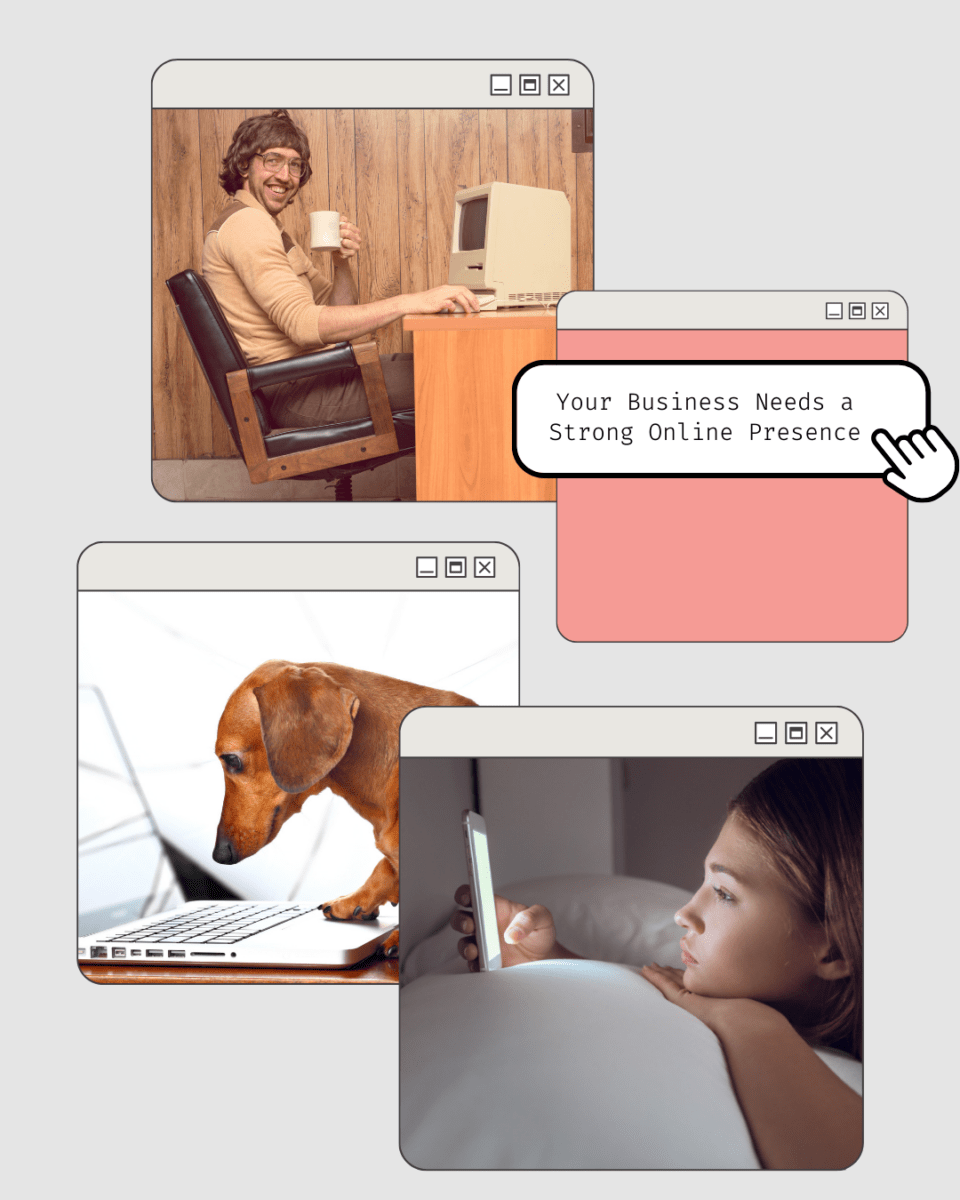
At Flyt Creative, we believe the businesses that thrive in 2025 will be the ones that adapt to the digital landscape, use data-driven strategies, and leverage new tools to stay ahead of the competition. From AI-powered marketing to the rise of personalized content, digital marketing trends are evolving fast. Here’s why a strong online presence matters, and the key digital marketing trends you need to follow in 2025 to stay ahead. Why Your Business Can’t Afford to Ignore Digital Marketing in 2025 With over 4.9 billion internet users worldwide and millions of new businesses launching daily, the digital space has become increasingly crowded. If you’re not visible online, you’re missing out on a huge opportunity. Your online presence isn’t just about having a website or a social media account. It’s about creating a connected, consistent experience for your customers across every platform. Here’s why you can’t afford to ignore digital marketing: Increased Visibility: A strong online presence ensures your brand is discoverable to potential customers anytime, anywhere. Customer Engagement: Social media, email marketing, and content marketing provide direct ways to interact with your audience. Competitive Advantage: Brands with a robust online strategy are often more adaptable and capable of meeting evolving customer expectations. With that in mind, let’s dive into the top digital marketing trends for 2025 that every business needs to embrace. 1. The Rise of AI and Automation in Marketing AI isn’t just a buzzword—it’s revolutionizing how we approach marketing. From personalized content recommendations to chatbots handling customer service, artificial intelligence is making marketing smarter and more efficient. 🔑 AI Trend to Follow: Implement AI-powered tools like chatbots for customer service, automated email campaigns, and predictive analytics to personalize the customer experience. Automation will save you time and increase conversion rates by targeting the right people with the right message at the right time. 2. Video Content Is King Video has long been a dominant force in digital marketing, and in 2025, it’s only going to get bigger. Video contentremains one of the most engaging forms of media—perfect for capturing attention and telling your brand story. 📽️ Video Trend to Follow: Short-form videos (think TikToks, Instagram Reels) and live streaming will dominate, especially as users demand more immediate, authentic content. Focus on creating engaging video content that showcases your product, behind-the-scenes moments, or customer stories to increase engagement and drive conversions. 3. Voice Search & SEO Optimization With the rise of smart speakers like Alexa, Siri, and Google Assistant, voice search is gaining traction. By 2025, it’s projected that half of all searches will be voice-driven. This means businesses need to optimize their content for voice queries, which tend to be longer and more conversational than traditional searches. 🔑 Voice Search Trend to Follow: Adapt your SEO strategy by using natural, conversational language in your content, FAQs, and blog posts to increase visibility for voice searches. This also means focusing on local SEO as voice searches are often location-based, helping your business show up when people search for “near me.” 4. Personalization in Marketing In 2025, consumers expect tailored experiences. Personalization isn’t just about using someone’s name in an email subject line anymore—it’s about delivering relevant content, offers, and recommendations based on user behavior. 🎯 Personalization Trend to Follow: Use data to create personalized experiences on your website, through email campaigns, and on social media. For example, an e-commerce store could recommend products based on a customer’s browsing history or purchase behavior. Personalization boosts engagement and increases the likelihood of conversions. 5. Local SEO and Geomarketing In an increasingly competitive digital landscape, local SEO is becoming a crucial strategy for businesses looking to stand out in their communities. With the growth of mobile searches and localized content, businesses need to optimize their online presence for geo-targeted keywords and location-based searches. 🔑 Local SEO Trend to Follow: Ensure your Google My Business profile is complete, and leverage local keywords in your website copy to increase visibility in local searches. Additionally, consider geomarketing strategies that target users based on their real-time location, offering promotions or tailored messages when they’re near your physical store. How Flyt Creative Helps Businesses Build Their Online Presence At Flyt Creative, we specialize in building comprehensive digital marketing strategies that help businesses stand out in a crowded online space. From web design and branding to SEO, social media, and content marketing, we focus on creating cohesive online experiences that connect with your audience and drive conversions. With our expertise in digital trends and a passion for creative innovation, we’ll help you stay ahead of the competition and maximize your digital footprint in 2025 and beyond. Conclusion: Stay Ahead of the Curve with Smart Digital Strategies In 2025, digital marketing isn’t just a part of the strategy—it’s the strategy. To succeed, you’ll need to embrace emerging technologies, stay on top of the latest trends, and adapt to your audience’s changing needs. Flyt Creative is here to help you navigate the ever-changing digital landscape. Ready to boost your online presence and take advantage of 2025’s marketing trends? Let’s get started.
Ask Jeeves Is Back: The Search Engine You Never Knew You Needed (But Totally Do)

Ladies and gentlemen, hold onto your monocles, because the search engine of all search engines is making a return—and this time, it’s got a new attitude. Forget Google, Bing, Yahoo (wait, do people still use Yahoo?) and those other pretenders. Ask Jeeves is back, and he’s here to serve you in ways you never thought possible. You’re not just asking questions anymore; you’re receiving the royal treatment from the finest butler in the digital world. Why Is Ask Jeeves the New King of Search Engines? It’s simple. No one, and I mean no one, does search like Jeeves. The search engine’s return comes with an upgraded persona—a sassy, snooty butler who’s just as tired of your nonsense as you are. Think of Jeeves as your digital butler who not only helps you find answers but also serves up sarcasm and wisdom like a well-mixed martini. And let’s not forget: he doesn’t take your pretentious search queries lightly. But wait, you’re wondering: What makes this so special? How does Ask Jeeves (now just Jeeves) stand head and shoulders above the rest? Let me list the fabulous features that no other search engine could even dream of: Tarot Card Readings, Because Why Not? Google? Bing? Pfft. They’ll give you links to sites about tarot readings, but Jeeves? He’ll actually read your tarot cards and give you insight on your future. Is it love, money, or an unfortunate accident involving a yoga ball? Jeeves knows. And he’ll tell you, but only if you ask with respect, darling. Dinner Suggestions Based on Your Poor Life Choices So, you ate half a pizza at lunch but now you’re starving and feel terrible about it? No worries! Jeeves knows exactly what you need for dinner. He’ll suggest a meal that’ll both fill you up and help you redeem yourself from the shame of eating that last slice of pizza. And trust me, he’ll do it in a tone that makes you feel like a bloated fool, but in the most refined way. A Snarky Drink Pairing Advisor Gone are the days of searching “what wine goes with pizza.” Jeeves is here to tell you exactly what you’re drinking based on your mood, your dinner, and your very questionable life choices. He knows you better than your best friend. You’re having an existential crisis and a taco salad? “A gin and tonic, sir. Maybe you’ll make better decisions next time.” (You won’t, but Jeeves will at least make you feel like you could.) The Ultimate “Is This Trendy” Guide Jeeves doesn’t need a list of top trends to know what’s truly fashionable. Type in “should I wear this?” and watch as Jeeves evaluates your outfit with a glance that could melt the soul of anyone less than flawlessly chic. Spoiler alert: If you’ve been wearing Crocs to your Zoom calls, Jeeves will judge you. Travel Suggestions Based on Your Level of Pretension Tired of hearing your friends talk about their “backpacking through Europe” adventures? Jeeves will suggest destinations based on your level of pretentiousness. Do you need a place with no Wi-Fi so you can “really disconnect”? Or maybe somewhere exotic and inaccessible so you can post photos that scream, “I’m too cool for you”? Jeeves has you covered. Therapy, But for Your Google Search History If your search history is a mess (and let’s be real, it’s always a mess), Jeeves will judge you with a little less compassion than Google’s endless algorithm. He’ll tell you, in his best posh British accent, why looking up “can cats eat lasagna?” at 2 a.m. is a clear sign you need help. Don’t worry, though, Jeeves has some advice (with a side of sarcasm) on how to handle it. A Personal Schedule But With Sass Need help scheduling your meetings, workouts, or tea time? Jeeves will be your personal assistant—but one who interrupts your life at the most inconvenient times. “You’ve forgotten to work out, haven’t you, sir? You’ve been ‘too busy’ searching for how to bake the perfect soufflé, but let’s be honest, you’ll probably burn it. Shall I cancel your afternoon nap to fit in a workout? I knew you’d ask for one.” It’s tough love, folks. Historical Accuracy (But With a Hint of Drama) Ask Jeeves may be back in action, but Jeeves is now on a mission to teach you history—not from boring textbooks, but from real-life drama. Ever wondered who really killed Caesar? Jeeves has the tea, and he’s ready to spill it with all the flair of a dramatic dinner guest. Get ready to question everything you thought you knew about history. Ask Jeeves Is Your New BFF (With Attitude) Forget everything you know about search engines. Jeeves is the search engine that doesn’t just find the information—you’ll feel like you’re having a conversation with a butler who’s seen it all, judged it all, and has absolutely zero patience for your nonsense. It’s like Siri, but more refined. Google? No personality. Bing? Tries too hard. Jeeves? A true masterpiece of snark and sophistication. So go ahead—ask Jeeves your deepest, darkest questions. But be warned: he won’t hold back. Ready to Try It? Are you tired of using search engines that just “do their job”? Do you need more personality, more drama, and, let’s face it, more judgment in your life? Then ask Jeeves. It’s not just a search engine—it’s an experience. And one that will never, ever let you forget how much better he is than your old, outdated search tools. You’re welcome, darling. Launch Date: April 1st.
Is SEO Dead? Let’s Set the Record Straight in 2025

Let’s cut to the chase: the internet is full of people saying that SEO is dead. It’s like the digital version of a bad horror movie, where someone yells, “The monster is dead!” every few years, only for it to pop up again, stronger, meaner, and more powerful than ever. Spoiler alert: SEO isn’t going anywhere. It’s ALIVE!! kicking, and still one of the most effective ways to make your website relevant. So, let’s debunk the myth, shall we? Is SEO Really Dead, or Are We Just Overreacting? Search Engine Optimization (SEO) has been the go-to strategy for driving organic website traffic for over a decade. But here’s the thing—SEO isn’t static. It’s not some dusty old marketing tactic that’s been left behind. If anything, it’s evolving faster than you can say, “Google algorithm update.” It’s Evolving, Not Dying If you’re still clinging to the outdated idea that SEO is just about packing keywords into your content like a bad college essay, you’re in for a rude awakening. Today’s SEO is like a fine wine—it’s matured, more sophisticated, and requires finesse. Modern SEO isn’t just about cramming keywords; it’s about creating quality content that actually answers the user’s question. Mind-blowing, right? AI, Voice Search, and the Machines Are Here to Help—Not Replace Have you ever heard of AI and voice search? These two things have been game-changers in the SEO world. As artificial intelligence continues to develop, search engines have become way smarter about understanding the intent behind your search query. It’s no longer just about the words you type into the search bar—it’s about what you really want. Voice search, on the other hand, has made it all about conversational keywords. You can now search for something by speaking naturally—”What’s the weather like today?”—and expect Google to answer. If your website isn’t optimized for these changes, you’re still writing in HTML 1995 while the rest of the world has upgraded to an innovative, sleek app interface. Let’s Talk UX: Because Google Is Watching If you think user experience (UX) doesn’t matter for SEO, think again. Google now penalizes slow-loading sites, confusing interfaces, and mobile-unfriendly designs like it’s a bad Tinder date. Websites that don’t prioritize a smooth, seamless user experience aren’t just irritating visitors—they’re getting shoved to the back of the digital line. So yeah, SEO is alive and well, but now it’s friends with UX. If you’re not optimizing for both, well… good luck. As a creative professional navigating the chaotic waters of life and marketing, I’ve observed firsthand the seductive allure of jumping on the trend bandwagon. Before you spend your creative energy on the next big thing, let’s explore why we follow trends. Is it worth being a trendsetter, or should we just stay true to ourselves? Debunking the SEO Myths: You’ve Been Lied To So, let’s debunk some SEO myths, shall we? It’s about time we put an end to the nonsense that keeps people thinking SEO is a thing of the past. Myth #1: SEO Is Just About Keywords If you think SEO is only about keyword stuffing, let me stop you. SEO is not a game of “how often can I mention ‘best SEO services’ without looking like a lunatic?” SEO now involves context—not just keywords. We’re talking about creating content that makes sense, answers questions, and provides real value to the user. Google’s algorithm is smarter than your high school teacher, so don’t even try to pull the wool over its eyes. Myth #2: SEO Is Only About Ranking Here’s the truth: ranking high on Google means nothing if people land on your site and immediately bounce. People are no longer clicking just because you have the #1 spot. They want answers, value, and a reason to stick around. SEO is now about driving quality traffic and conversions, not just rankings. A high ranking without engagement is like having a top-tier seat at a concert only for the audience to fall asleep. Yawn. Myth #3: SEO Is Too Complicated Okay, yes, SEO is more technical than just slapping a few keywords here and there, but saying it’s too complicated is like saying “learning to cook is too hard” after watching one episode of Hell’s Kitchen. There are plenty of resources out there, from beginner-friendly tools to expert-level guides, that can help you get a grip on SEO basics. It’s a process, not an impenetrable fortress. Or you could hire an expert, that is flyt. That is what we do. Myth #4: Social Media Is a Substitute for SEO Oh, how cute. Some people think social media can replace SEO because it’s a shiny new toy. Don’t get us wrong—social media is fantastic for branding and immediate engagement. But guess what? SEO brings long-term organic traffic that isn’t reliant on the whims of algorithms and trending hashtags. Social media might get you a quick surge of traffic, but without solid SEO, you’re basically putting all your eggs in a basket full of holes. Why SEO Is More Important Than Ever in 2025 Let’s get to the heart of the matter. Why is SEO still thriving in 2025? Well, let’s break it down: Google’s Algorithms Keep Getting Smarter Whenever you think you’ve cracked the SEO code, Google changes the game with a new algorithm update. And here’s the kicker: Google’s algorithms are better than ever at understanding content, user intent, and context. With updates like RankBrain and BERT, Google constantly improves its ability to deliver accurate, relevant search results. SEO isn’t dying; it’s evolving to match Google’s growing intelligence. Mobile-First Indexing: Are You Ready? Google has officially gone mobile-first. This means Google indexes the mobile version of your site before the desktop version. If your site isn’t optimized for mobile, it’s like showing up to a black-tie event in flip-flops. Mobile optimization is a must. If you haven’t made your website responsive yet, let’s say