
How AI Can Transform Your Service Based Business

Artificial intelligence (AI) is no longer just something big tech companies use—it’s becoming a powerful tool for local and service-based businesses too. Whether you run a salon, cleaning company, consulting practice, or repair service, AI can save you time, attract more customers, and deliver better customer experiences. The key is knowing where to start and how fast you can see results. This blog will walk you through how AI is transforming service-based businesses right now, plus three easy, actionable steps you can implement today for quick business wins. Why AI Matters for Service-Based Businesses Service-based businesses often rely on personal touch, repeat customers, and word-of-mouth referrals. But managing customers, marketing campaigns, scheduling, and communications can be overwhelming. AI can: Automate repetitive tasks like appointment booking, reminders, and follow-up emails. Enhance customer communication with chatbots and voice assistants. Personalize marketing campaigns so every customer feels seen. Provide data-driven insights into customer preferences and revenue trends. Real Examples of AI in Small Service Businesses A salon owner uses AI-powered booking systems to reduce no-shows by 30%. A plumbing company leverages AI-powered advertising tools, generating local leads with higher conversion rates. A cleaning business uses AI chatbots to respond instantly to customer inquiries on its website and social media. These aren’t just futuristic ideas—they’re happening now. Three Actionable AI Steps for Quick Wins 1. Use AI for Smarter Booking and Scheduling Customers want convenience. By adding an AI-driven scheduling tool to your website or social accounts, clients can book and reschedule on their own—without you constantly checking DMs or calls. Tools: Calendly with AI assistants, HubSpot appointment automation, or JaneApp (for health/wellness). Quick Win: Reduced call time, fewer scheduling mistakes, and better customer experience. 2. Automate Customer Follow-Ups AI can automatically send personalized follow-ups: “We hope you loved your service. Here’s 10% off your next appointment.” This increases repeat bookings and builds loyalty. Tools: ActiveCampaign AI, Klaviyo, or Mailchimp with predictive send times. Quick Win: Nurture long-term customers without adding more work. 3. Try AI Marketing Content Generation AI tools can help write captions, emails, or blog posts like this one. It’s not about replacing your brand voice, but speeding up content creation. Tools: Jasper, Copy.ai, or ChatGPT (fine-tuned with your service niche). Quick Win: Produce more local SEO content to rank higher in searches like “plumbing service near me” or “best dog groomer in [your city].” How AI Will Shape the Future of Service Businesses In the next 2–5 years, AI-assisted customer service will become the standard. Expect: Voice-first scheduling (“Alexa, book me a haircut at Luxe Hair Studio”). Real-time dynamic pricing based on demand. Hyper-local targeting powered by AI-driven ad networks. For service-based entrepreneurs, adopting AI today means staying ahead of competitors. Ready to transform your business with easy, actionable AI solutions? Flyt Creative helps service brands leverage the latest tech and marketing tools for real growth. Connect with our expert team to get a free consultation and see how seamless, smart automation can elevate your business today. How can AI help my service business save time? AI automates repetitive tasks such as scheduling, reminders, customer communications, and basic marketing, letting teams focus on higher-value activities. Do I need advanced tech skills to implement AI? No. Many tools offer low-code or no-code experiences with intuitive interfaces, so small business owners can get started with minimal technical knowledge. What are top AI tools for service businesses in 2025? Popular options include AI scheduling assistants like Calendly, marketing copy generators like Jasper or Copy.ai, and chatbot solutions for instant online customer support. How can AI help increase customer loyalty? By automating personalized follow-ups and reminders, AI improves repeat engagement and delivers tailored offers that keep customers coming back.
Online Reputation Management: Your Small Business’s Secret Weapon

ORM is the deliberate strategy of steering how your business is seen online. It’s more than just “are people saying nice things?”
How to Use Humor in Your Brand Voice (and Why It Works)

Let’s be honest—marketing can get real boring real fast. The endless buzzwords, robotic tone, and overly polished messages? Snoozefest. At Flyt Creative, we believe there’s a better way. One that’s rooted in strategy and analytics, sure—but also full of personality, approachability, and (you guessed it) a little humor. Especially here in the Southeast, where charm, storytelling, and authenticity go a long way, using humor in your brand voice can be a game-changer. Why Humor Matters in Branding It Grabs Attention (and Keeps It) You’re scrolling through Instagram. Post after post is promoting something. Then boom—one makes you chuckle. You stop. You read it. Maybe you even share it. Humor breaks the scroll. It gives your brand a chance to say, “Hey, we’re human too.” It cuts through the clutter and earns you a moment of someone’s attention, which is huge in today’s crowded digital space. It Builds Connection and Trust People want to work with (and buy from) brands they like. Humor makes your business more relatable and real. It tells your audience you’re not just a faceless corporation—you’ve got personality. For businesses in the Southeast, where personal connections and local pride still matter, adding levity to your content can help build trust in an authentic way. It Increases Engagement Humorous content often gets more likes, comments, and shares—not because it’s trying harder, but because it feels natural and fun. And the more your content gets engaged with, the more it gets seen. It’s not about being a comedian; it’s about being approachable, clever, and a little unexpected. Flyt’s Philosophy: Strategy First, Playfulness Second Here’s the thing—we’re not just out here cracking jokes for clout. At Flyt Creative, we take your goals seriously. We analyze the data, understand your audience, research your competitors, and build a plan that works. Then, we sprinkle in that Flyt flavor—witty captions, quirky visuals, or just enough charm to make people smile. Our approach is rooted in strategy. Humor is just one of the tools we use to help your message land with clarity, confidence, and a human touch. It’s that blend of analytics + authenticity that really makes Southeast brands shine. How to Use Humor Without Losing Credibility Know Your Audience Humor is not one-size-fits-all. What works for a beachside eco-tour company won’t necessarily fly for a personal injury law firm. (Though let’s be real—everyone appreciates a well-placed pun now and then.) The key is to align your humor with your brand identity and your audience’s preferences. Southern audiences often respond well to friendly, self-aware, storytelling-based humor. Think “bless your heart,” not “shock jock radio.” Pick the Right Channels Some platforms are made for playful content—Instagram Reels, TikTok, even your website’s About page. Others, like your email newsletters or LinkedIn posts, might call for a more toned-down tone. But even there, a little lightness goes a long way. The goal is to make your audience feel like they’re talking to a person, not a marketing robot. Use Humor to Simplify Complex Ideas One of the best ways to use humor is to make hard things feel easier. At Flyt, we love breaking down complex digital marketing concepts (like SEO or Google algorithm updates) with metaphors, analogies, and a little sass. It keeps readers interested and helps them actually understand what you’re talking about. Examples of Humor That Works Playful Web Copy Instead of “Our team is highly skilled at developing strategic digital solutions tailored to your industry,” how about: “We make your brand look good online—like, really good. Think smart strategy meets good vibes.” It’s friendlier, still professional, and more memorable. Quirky Social Captions Got a summer sale? Try: “It’s hot out. Our deals are hotter. Coincidence? We think not.” Or: “Tired of your website moving slower than molasses in January? We can fix that.” These captions feel local, informal, and fun—perfect for Southeast audiences who appreciate personality. Relatable Visuals We once ran a post with a stock photo of a confused guy tangled in cords with the caption, “Trying to manage SEO, social, and content all by yourself? Yeah, we’ve been there.” A little humor, a lot of relatability—and it resonated because it acknowledged the struggle in a lighthearted way. When NOT to Use Humor Humor can be powerful, but timing and context matter. Avoid cracking jokes when: Discussing serious news or crises Addressing customer complaints or sensitive feedback Posting about traumatic or emotional topics (yes, even if you’re “just being funny”) A good rule of thumb: if you wouldn’t laugh about it in a room full of clients, don’t joke about it online. How to Find Your Brand’s Sense of Humor Start with Your Brand Voice Are you more clever or cheeky? Quirky or dry-witted? Witty or warm? Your brand voice should guide your humor style. We often create brand voice guidelines for our clients with tone suggestions like: Friendly but not casual to the point of sloppy Confident without being arrogant Informative with a wink of personality Create Reusable Humor Frameworks Not every post needs to be a stand-up routine. Sometimes a reliable formula—like a running joke about your industry quirks, a recurring character (like an office pet or mascot), or a signature phrase—can make your brand instantly recognizable and fun. Test and Measure We’re big believers in the numbers. If something makes us laugh but doesn’t perform well, we take a look at the analytics. Maybe it needs better timing, a clearer CTA, or a tweak in tone. Humor is creative, but it’s also iterative. Why Southeast Audiences Respond to Humor Let’s not forget where we are. The Southeast is full of vibrant culture, friendly folks, and a storytelling tradition that goes back generations. People around here like to feel something when they engage with a brand—whether it’s trust, comfort, or a laugh. Humor adds warmth and familiarity that helps brands feel more local, more personal, and more genuine. From Charleston to Chattanooga, humor helps businesses stand out in a market that values charm, not just clicks. We’ve seen
Is Your Website Ready for Back-to-School? Top Tips for August

August may feel like the tail end of summer, but for many businesses, it’s the real start of a new season. Back-to-school season is one of the biggest marketing opportunities of the year, and it doesn’t just apply to big box stores selling pencils and notebooks. From local service providers and kid-focused businesses to wellness brands and retail shops, everyone can benefit from a little back-to-school strategy. And it all starts with your website. So—ask yourself: is your website ready to handle the traffic, search queries, and conversions that come with the back-to-school rush? If not, don’t worry. We’ve got you. At Flyt Creative, we work with clients all over the Southeast and beyond to create websites and marketing strategies that stay one step ahead. Here’s how to make sure your website is doing the heavy lifting this August. Why Back-to-School Season Matters for Businesses It’s Not Just for Retailers When people hear “back to school,” they often think of retail giants running big box sales on backpacks and laptops. But in reality, this season affects a wide range of industries—education consultants, after-school programs, hair salons, tutoring services, pediatricians, therapists, local restaurants near schools, even real estate agents helping families move before the semester starts. Basically, if your business serves families, students, or educational institutions in any way, now’s the time to pay attention. Search Trends Shift in August In August, online searches shift toward school prep. That includes everything from “best lunch ideas for kids” and “first day of school outfits” to “where to buy uniforms near me” and “after school activities in [your town].” Optimizing your website to meet these seasonal needs helps you stay visible when it matters most. Tip #1: Update Your Homepage with Seasonal Messaging Make It Clear You’re In Tune with Your Audience Your homepage is prime real estate. If you’re still showing summer-focused messaging in late August, it’s time to pivot. Add a seasonal banner, a back-to-school headline, or a timely call-to-action that shows your business understands what your customers are thinking about right now. For example: A salon could highlight “Back-to-School Haircuts—Book Before the Bell Rings!” A tutoring center could use: “Get Ahead This Semester—Fall Sessions Now Open!” A local café might promote: “Grab-and-Go Breakfasts for Busy School Mornings” Even a small message helps signal that your brand is relevant and responsive. Tip #2: Refresh Your SEO for August and September Searches Keywords Shift with the Seasons SEO isn’t static. The keywords that helped you rank in June might not be pulling their weight in August. Use tools like Google Trends, Answer the Public, or even good ol’ Google autocomplete to research what people in your area are searching for during the back-to-school season. Look for specific long-tail keywords like: “Back-to-school haircuts near Myrtle Beach” “Affordable tutoring for high school students in Charleston” “First day of school deals in Conway, SC” Then, weave those keywords naturally into your product pages, blog posts, headers, and meta descriptions. Don’t Forget Local SEO If your business serves a specific geographic area, make sure your website is optimized with local keywords. This includes updating your Google Business Profile, embedding a map on your contact page, and including neighborhood or city-specific phrases throughout your site. Tip #3: Optimize for Mobile—Seriously Parents Are Searching on the Go Think about who’s planning for back-to-school: busy parents juggling carpools, work, and school supply lists. Most of them are doing their searching from a phone while waiting in line or sitting in the parking lot. If your website isn’t mobile-friendly, you’re going to lose them fast. Check your site for: Fast load times Clickable buttons Easy-to-read text Mobile-friendly menus and forms Pro tip: Use Google’s free Mobile-Friendly Test tool to see how your site stacks up. Tip #4: Create a Helpful (and Shareable) Resource Make Content That Solves Problems Back-to-school season can be stressful. If your brand can help make life a little easier, people will remember—and share it. Think blog posts, downloadable checklists, or social media guides that are actually useful. Some ideas: “5 Quick Weeknight Dinners for Back-to-School Chaos” “Checklist: Everything You Need for the First Week of High School” “Top 10 Study Tips for Middle Schoolers” Use your website’s blog or resource center to publish these and link to your services or products where it makes sense. Bonus: This kind of helpful content performs well in search engines and keeps people on your site longer. Tip #5: Check Your Calls-to-Action (CTAs) Make It Easy to Take the Next Step You’ve updated your messaging, refreshed your SEO, and created content—but if your CTA isn’t clear and visible, it’s all for nothing. Every page should have a purpose and guide your visitors toward a next step. CTAs that work well for August: “Schedule Your Free Consultation Before Fall Slots Fill Up” “Reserve Your Spot in Our Back-to-School Special Today” “Sign Up Now for Fall Classes—Limited Availability” Make sure your CTAs are: Clear Mobile-friendly Easy to find (above the fold, ideally) Linked to fast-loading landing pages or forms Tip #6: Don’t Forget Speed and Security A Laggy Site = Lost Customers Back-to-school shoppers (and search engines) are impatient. If your site takes more than a couple of seconds to load, they’re bouncing. Use tools like Google PageSpeed Insights or GTmetrix to identify speed issues and fix them ASAP. Also, make sure your site is secure—especially if you’re collecting personal info for things like appointment scheduling or online registration. If you don’t already have an SSL certificate (that little lock icon in the browser bar), it’s time. Tip #7: Promote on Social Media and Sync It with Your Website Create a Seamless Experience Across Platforms Once your website is updated, don’t forget to promote it. Create social posts that highlight your back-to-school offers, blog posts, or events and link back to your site. Use consistent visuals and messaging so the experience feels cohesive. Examples: A Facebook carousel featuring fall class offerings with direct links to book online An Instagram reel showing
Building a Cohesive Digital Marketing Plan (Not Just SEO!)
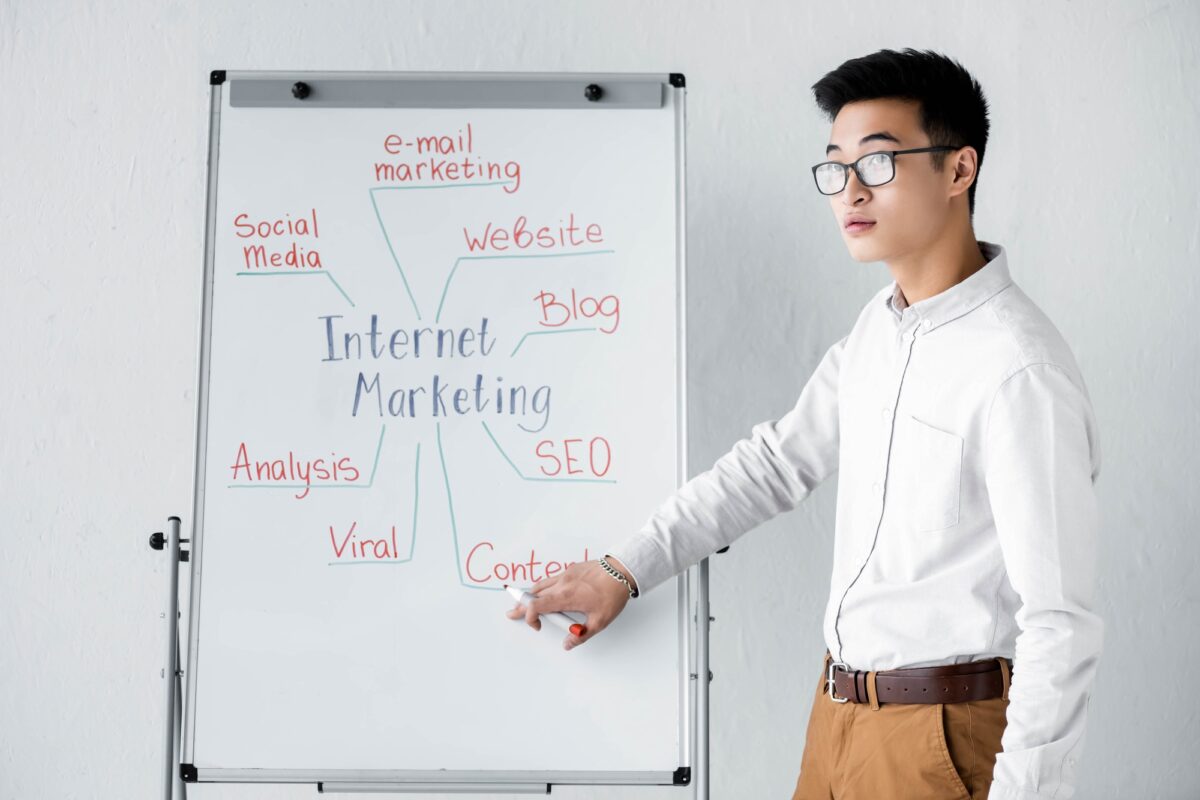
Let’s be real: SEO is important—super important, in fact. But if you’re pouring all your energy into SEO and ignoring everything else in your digital presence, you’re leaving growth on the table. Think of SEO as one part of a bigger puzzle. For your business to really stand out and scale, you need a marketing plan that brings all the pieces together: SEO, web design, content marketing, and social media. When these elements work in sync, your brand doesn’t just get found—it connects, converts, and sticks with people long after they leave your site. At Flyt Creative, we see this all the time: businesses get hyper-focused on one channel and forget how much stronger their results could be if everything worked together. So let’s talk about how to build a truly cohesive digital marketing plan—one that goes beyond search rankings and brings your whole brand to life online. Why Cohesion Matters in Digital Marketing Before we dive into the how-to, let’s start with the why. A cohesive digital marketing plan isn’t about doing more, it’s about doing things smarter. It’s about creating a seamless, consistent experience for your audience—whether they’re finding you through a Google search, scrolling through your Instagram, or reading one of your blog posts. When your website, SEO, content, and social media all point in the same direction, it builds trust. And trust leads to clicks, conversions, and long-term growth. What Happens Without a Unified Strategy? Without an integrated plan, your efforts can start working against each other. Maybe your social media has one tone, your blog posts have another, and your website feels like a totally different brand. Or maybe your SEO is bringing people to your site, but the site isn’t built to convert, so they leave. These gaps create friction—and in a crowded digital space, friction sends people straight to your competitors. Step 1: Start With Your Brand Foundation Before you build out any marketing tactics, take a step back and clarify your brand. This includes your voice, visual identity, and core messaging. Your website, SEO keywords, blog content, and social posts should all reflect the same story and speak to the same audience. Questions to Ask Yourself Who are we trying to reach? What problems do we solve for them? What tone and personality best reflect our brand? Are our visuals and messaging consistent across platforms? If you’re not sure about the answers, that’s a sign it might be time for a quick brand refresh. Step 2: Optimize Your Website (It’s Your Digital Home) Your website is the hub of your digital strategy. It’s where all your other marketing efforts are sending traffic—so it has to be ready when people arrive. If your site is outdated, slow, hard to navigate, or not mobile-friendly, you’re not going to get the results you want—no matter how great your SEO is. Website Must-Haves Fast load times and responsive design Clear navigation and user-friendly layout On-brand visuals and copy Strong calls to action on every page Built-in SEO elements like proper tags, clean URLs, and meta descriptions Don’t forget: your website isn’t just about design. It’s about functionality and performance. Think of it like your digital storefront—it needs to look good and work well. Step 3: Use SEO to Attract the Right Traffic SEO is still a cornerstone of your strategy—it’s how people find you. But it works best when it’s connected to everything else you’re doing. Instead of stuffing your site with keywords or chasing trends, focus on optimizing for your audience and your services. Smart SEO Tactics Do keyword research based on what your customers are searching for Optimize each page of your site for specific keywords Write helpful, relevant content that answers real questions Build internal links to guide users (and search engines) through your site Make sure your site loads fast and is mobile-optimized SEO is a long game, but when paired with a strong site and useful content, it’s incredibly effective at driving steady, qualified traffic to your business. Step 4: Create Consistent, Purposeful Content Content marketing is what gives your brand a voice. It’s how you share your expertise, show your personality, and connect with your audience. Blogs, videos, emails, and downloadable resources all help build trust and establish your authority. But content only works when it’s part of a larger strategy—not random posts whenever inspiration hits. Tips for Better Content Marketing Start with a content calendar to stay organized and strategic Write for your audience, not just for Google Tie your content to your services, FAQs, or seasonal topics Repurpose blog content into social posts, emails, or reels Track what performs best and adjust accordingly The best content marketing plans blend SEO-friendly topics with authentic, helpful information. It’s not about quantity—it’s about value. Step 5: Amplify Your Message With Social Media Social media isn’t just a nice-to-have—it’s a vital channel for building relationships and reinforcing your brand. It’s where your audience hangs out, shares recommendations, and forms impressions. When your social media aligns with your website and content, it creates a consistent brand story that people recognize and trust. Social Media Strategy Basics Choose platforms that make sense for your business (you don’t need to be everywhere!) Stay consistent with your voice, visuals, and posting schedule Share a mix of content: behind-the-scenes, client stories, tips, events, blog posts Use hashtags and geo-tags to improve discoverability Engage with your audience through comments, DMs, and community posts Your social channels are often the first touchpoint for new customers. Make sure they reflect the real you—and guide people back to your site. Step 6: Track, Measure, and Adjust A cohesive digital marketing strategy isn’t set in stone—it’s something you evolve over time. The key is to track what’s working (and what’s not) and be willing to tweak as you go. What to Measure Website traffic and bounce rates Keyword rankings and organic search growth Blog views, time on page, and engagement Social media reach, saves, comments, and shares Conversion rates from site
Local SEO Strategies for Small Businesses in the Southeast
If you’re a small business owner in the Southeast, you already know a few things for sure: the summers are hot, the humidity is relentless, and competition—whether you’re in Charleston, Myrtle Beach, Savannah, or anywhere in between—is no joke. Whether you’re running a boutique, restaurant, HVAC company, or wellness clinic, getting found by the right customers at the right time can make all the difference. That’s where local SEO comes in. At Flyt Creative, we work with businesses across the region to help them rise above the noise (and the heat), using smart local SEO strategies tailored to the unique rhythm and climate of the Southeast. Ready to bring in more local traffic—both online and on foot? Let’s dive in. What Is Local SEO and Why Does It Matter? Local SEO is the process of optimizing your online presence so that your business shows up in local search results. When someone searches for “best seafood in Murrells Inlet” or “AC repair near me,” local SEO helps make sure your business is in the mix. Google considers relevance, distance, and prominence—so your job is to clearly communicate who you are, what you do, and where you’re located. Benefits of Local SEO Helps customers find you in real time Builds trust and credibility Drives more foot traffic to your physical location Improves rankings in Google’s Local Pack and Maps 1. Claim and Optimize Your Google Business Profile If you haven’t already claimed your Google Business Profile (formerly Google My Business), start there. This free tool is crucial for showing up in local search results and on Google Maps. Tips for Optimization Fill out every field: hours, address, phone number, website Use relevant keywords in your business description Choose the right business category Upload high-quality, seasonal photos Update your profile regularly (especially for weather closures or holiday hours) 2. Encourage and Respond to Customer Reviews Customer reviews don’t just build trust—they also signal to Google that your business is active, reliable, and worth ranking. Asking for reviews should be part of your standard workflow. Best Practices for Reviews Ask happy customers to leave a Google review Respond to all reviews (yes, even the not-so-great ones) Use reviews to highlight popular services or products Incorporate keywords in your responses when appropriate 3. Build Consistent Local Citations Local citations are listings of your business’s name, address, and phone number (NAP) on other websites and directories like Yelp, Yellow Pages, and Bing Places. Google uses these to confirm your legitimacy. Citation Tips Keep your NAP info consistent across all platforms Fix incorrect or outdated listings Use tools like Moz Local or Yext to audit and manage citations Don’t forget social media profiles—they count too 4. Create Location-Specific Landing Pages If your business serves multiple cities or towns, create separate landing pages for each location. This helps you rank in searches specific to those areas. What to Include on Each Page Localized keywords (e.g. “HVAC services in Columbia SC”) Unique content for each location (don’t just copy/paste) Customer testimonials from that area Embedded map and driving directions 5. Do Local Keyword Research Knowing what your customers are searching for is key to showing up in local results. Use keyword research tools to discover phrases specific to your region and industry. How to Find the Right Keywords Use Google Autocomplete to spot trending terms Try Ubersuggest, Google Trends, or AnswerThePublic Include seasonal search terms (like “summer lawn care” or “hurricane prep tips”) Use long-tail keywords for less competitive searches 6. Publish Locally Relevant Content One of the best ways to improve local SEO? Create content that connects with your community. Think blog posts, social media updates, and videos tied to local events, weather, or regional topics. Content Ideas for Southeast Businesses “How to Beat the Heat: Summer Skincare Tips from a Myrtle Beach Spa” “Top 5 Events in Charleston This July (And What to Wear)” “Preparing Your HVAC System for Peak Humidity Season” “Beach Cleanup Recap: How Our Team Gave Back This Summer” 7. Make Sure Your Website Is Mobile-Friendly With so many people searching from their phones, especially while out and about, your website needs to load fast and look great on any device. A slow or clunky mobile experience can seriously hurt your rankings—and your reputation. Mobile Optimization Checklist Fast page load times Clickable buttons and clear menus Responsive design for all screen sizes Easy-to-find contact info 8. Embed a Google Map on Your Contact Page This simple step helps both users and search engines. Embedding a Google Map validates your physical location and adds another layer of trust for potential customers. 9. Use Schema Markup for Local Businesses Schema markup is a type of code you add to your website that gives search engines extra details about your business. It can boost your visibility in search results with rich snippets. Why Schema Helps Highlights your business hours, address, and phone Increases your chances of showing up in featured snippets Helps Google “understand” your site better 10. Stay Consistent and Keep Measuring Local SEO isn’t a one-time project—it’s an ongoing process. Make time every month to review your analytics, update your content, and monitor your Google Business insights. What worked last summer might need a refresh this year. Track These Metrics Website traffic from local searches Clicks and calls from your Google Business Profile Ranking improvements for key local terms Engagement on location-based content Let Flyt Creative Help You Stand Out Locally We get it—local SEO can feel like a lot, especially when you’re running a business and trying to stay cool in the summer heat. But the payoff is worth it. When done right, local SEO drives real traffic, builds community trust, and helps you outrank the competition—whether they’re across town or a national chain with a big ad budget. At Flyt Creative, we specialize in helping small businesses in the Southeast get found and grow with smart, effective digital strategies. From Google Business Profile optimization and local content creation to mobile-friendly web design
Leveraging Seasonal Content: How to Make the Most of Summer Events

Summer is prime time for content that connects. Longer days, warmer weather, and a packed calendar of events mean your audience is active, engaged, and looking for things to do, buy, watch, and share. That makes summer the perfect season to lean into relevant, timely content that not only speaks to what’s happening in your audience’s world—but also boosts your brand visibility, engagement, and even search engine rankings. Whether you’re a local business, an e-commerce shop, or a national brand, there’s real opportunity to tap into regional events, trending summer topics, and holidays to create seasonal content that feels fresh, fun, and totally on point. At Flyt Creative, we work with brands up and down the coast (and across the country) to build smarter marketing strategies, and seasonal content is always part of the conversation. So if you’re wondering how to create content that fits the summer vibe and actually performs—keep reading. We’ve got strategies, ideas, and tips that’ll help you make the most of the season. Why Seasonal Content Works So Well Let’s start with the big picture: why should your brand even care about seasonal content? For one, people’s interests shift with the season—and search behavior shifts right along with it. In the summer, people are looking for different things than they are in, say, January. Think: “4th of July activities near me,” “summer skincare tips,” or “best beach reads.” If your brand can create content that intersects with those seasonal search terms (while still staying true to your offerings), you’ve got a natural in. Beyond SEO, seasonal content helps build relevance and connection. When your social posts, blog articles, videos, or emails feel in tune with what your audience is currently experiencing, it makes your brand feel more human—and more trustworthy. It shows you’re not just posting for the sake of it; you’re paying attention. Map Out Your Summer Content Calendar Early We’re all about being nimble when trends pop up, but when it comes to seasonal content, a little advance planning goes a long way. The first step? Build out a summer content calendar. Start with the big tentpole moments: Memorial Day, 4th of July, Labor Day. Then layer in regionally relevant events—like local festivals, beach cleanups, concerts, or sports tournaments. Don’t forget about quirky holidays like National Ice Cream Day, World Oceans Day, or even Shark Week (especially fun for coastal brands). These smaller, often overlooked days can give you fun and low-pressure ways to engage your audience without going all-in on a full-blown campaign. Once you have your key dates, brainstorm themes or ideas that make sense for your brand. A retail boutique might spotlight red, white, and blue looks for 4th of July. A restaurant could post a summer grilling series. A service-based business might highlight summer-specific problems (humidity, sunburn, travel chaos—you name it) and offer solutions tied back to their expertise. Tie Your Offerings to What People Are Already Doing Your summer content doesn’t have to reinvent the wheel. The best seasonal content often just reframes your existing products or services in a way that matches what your audience is already thinking about. For example, if you’re a wellness brand, create content around staying hydrated during heat waves or stress management for family vacation season. If you’re in real estate, highlight tips for moving in the summer heat or getting your home ready for hurricane season. Think of it like this: what are your customers already doing this summer—and how can your brand fit into the picture naturally? Localize Your Content for Stronger Engagement and Search Visibility If you’re a business that serves a specific area or region, then local content is where you can really shine. Search engines love content that ties into local searches, and your audience will feel more connected to your brand when they see you involved in the community. That could look like blog posts about “Top 5 Family-Friendly Events in Myrtle Beach This July,” or Instagram Reels from your team at a local seafood festival. It could even be as simple as reposting user-generated content from local events you’re sponsoring or attending. And remember, local SEO is a big deal—especially for mobile searches. Google prioritizes results that are both timely and geographically relevant. So if you’re creating content around a summer event happening in your area, be sure to include local keywords (city names, event titles, etc.) in your headlines, meta descriptions, and image alt tags. Use Summer Trends to Spark Timely Conversations Part of staying relevant during summer is keeping an eye on what’s trending—on social media, in pop culture, or even in the weather. (Yes, a heatwave is absolutely a content opportunity.) Summer trends give you a chance to inject some fun, topical personality into your brand voice while staying relatable. If everyone is talking about the Barbie movie, a local boutique might do a “Barbiecore summer outfit inspo” post. If there’s a big Taylor Swift concert coming to your town, lean into the Swiftie fandom with themed content. Trends give your brand a chance to ride the wave of attention while adding your own spin. Just make sure it fits your voice and audience. Not every trend will make sense for every brand, and that’s okay. The goal isn’t to jump on everything—it’s to jump on the right things. Create Content for Multiple Platforms You don’t have to reinvent the wheel for every channel. One great seasonal idea can be repurposed across your blog, email, Instagram, Facebook, TikTok, and more. A blog post about “10 Summer Must-Haves” can become an Instagram carousel, a Pinterest graphic, a short-form video, and even part of a summer-themed email newsletter. The key is to tailor the message and format for the platform while keeping the core theme intact. And while you’re at it, be sure to use relevant seasonal hashtags (#SummerVibes, #BeachDay, #FourthOfJulyFun, etc.) and geo-tags on social media to increase discoverability. Don’t Forget the SEO Basics Seasonal content can absolutely help with your search rankings—if
Your Website Should Work as Hard as You Do: Why It’s Time to Update Your Trades Website

If you’re in the trades—construction, contracting, plumbing, HVAC, electrical, or utility services—your work is hands-on, detailed, and built to last. Your website should reflect that same level of quality. But let’s be honest: a lot of trades websites are still stuck in the past. And in today’s digital-first world, that’s a problem. Homeowners, builders, property managers, and commercial clients expect professionalism from the moment they land on your website. If your site looks outdated, is slow to load, or doesn’t work well on mobile, you could be losing jobs before you even know someone looked you up. At Flyt Creative, we help trades businesses upgrade their websites to better reflect their skill, experience, and value. Whether you’re a solo electrician or a full-scale construction firm, here’s why a website update isn’t just a nice-to-have—it’s business-critical. Why Your Existing Website Might Be Costing You Work You might get most of your business through referrals—but even referrals look you up online. If your site isn’t pulling its weight, it could be: Turning away high-paying clients Undermining your credibility Making it harder for customers to contact you Ranking low in search engines A tired, cluttered, or confusing website can leave the impression that you’re behind the times—or worse, unreliable. But a sharp, well-organized, mobile-friendly site shows that you take pride in everything you build, including your online presence. Common Signs Your Trades Website Needs an Update Not sure if your site needs a refresh? Here are some clear red flags: Your site isn’t mobile responsive (and most of your clients are browsing from their phones) It hasn’t been updated in 3+ years It doesn’t show your current services, service areas, or project types There are no recent photos or testimonials You have no clear call-to-action (like “Get a Quote” or “Schedule a Visit”) It loads slowly or has broken links You don’t show up on Google for local searches If any of those sound familiar, it’s time to invest in a website that works for your business, not against it. What a Modern Trades Website Should Include Whether you’re a general contractor, a custom home builder, a utility repair crew, or a local HVAC business, here’s what we recommend for a high-performing website in 2025: 1. Mobile-First, Fast-Loading Design Most people looking for a contractor or service pro are using their phones. Your site should load in under 3 seconds and display perfectly across all devices—no pinching, zooming, or broken buttons. 2. Clear Calls to Action Don’t make visitors guess what to do next. Use clear buttons like: Request a Quote Book a Free Estimate Call Now View Our Services And put them where people can see them—top of the page, after each section, and again in the footer. 3. Local SEO Optimization A great trades website doesn’t just look good—it helps people find you. We optimize your site with: Local keywords (like “plumber in Myrtle Beach” or “Charleston home builder”) Service area pages Google Maps integrations Schema markup for better visibility 4. Updated Project Photos and Testimonials Show off your work. High-quality before-and-after photos, videos, and customer testimonials build trust fast. We make it easy for you to upload these and keep them fresh. 5. Simple Contact Forms and Click-to-Call Features Don’t lose leads to frustration. Make it easy for people to reach you—whether it’s a form, a call button, or a live chat integration. 6. Service Breakdown with Visuals Explain your services clearly, using icons, short descriptions, and images. We design sections that make it easy for site visitors to scan and understand what you do—fast. Why SEO Matters More Than Ever You could be the best in your field, but if no one can find you online, you’re leaving money on the table. Google now prioritizes websites that are fast, secure, and mobile-friendly—and if your site hasn’t been updated in years, you’re probably falling behind. We build websites with modern SEO in mind from the ground up, including: Keyword research tailored to your trade and service area Optimized URLs, headers, and image tags Fast, clean code Integration with Google Business Profiles With an updated site, you’ll not only look more professional—you’ll show up higher in search, bringing in more of the clients you actually want. What a Website Redesign Can Do for Your Business Here’s what we’ve seen happen after a trades website redesign: Increased quote requests and inbound leads Better quality clients who are ready to book Higher visibility in Google searches Fewer no-shows and more reliable bookings Fewer phone calls asking the same questions—because your site answers them And best of all? You’ll feel confident knowing your online presence reflects the quality of your work. The Flyt Creative Approach We don’t use cookie-cutter templates. We design websites that work specifically for trades businesses—sites that are clean, fast, easy to navigate, and built with growth in mind. Here’s how it works: We learn about your business. Your services, your clients, and what’s working (or not) on your current site. We design with your goals in mind. Whether you want more bookings, better SEO, or just something that finally looks professional. We build it right. Mobile-first, fully responsive, SEO-optimized, and easy for you to manage. We support you long-term. Need help updating photos? Expanding your services? We’re here for that, too. We believe a trades website should be simple, effective, and built to last—just like your work. Ready for a Website That Pulls Its Weight? You wouldn’t leave a tool out in the rain or use a shortcut on a job site. Don’t let your website be the weak link in your business. If you’re a contractor, construction pro, or service-based business and your website is outdated, let’s fix that. Contact Flyt Creative today, and let’s build a site that works as hard as you do.
Modern Guests Expect More: Is Your Hospitality Website Keeping Up?

If you’re in the business of creating experiences—whether that’s a boutique hotel stay, a wedding venue tour, or a five-star event production—then your website should be just as polished as the service you provide. And yet, so many hospitality and event brands are working with websites that feel…well, stuck in the past. From slow load times and outdated aesthetics to confusing navigation and lack of mobile responsiveness, your digital presence could be costing you bookings, turning away guests, and silently killing your SEO. Let’s change that. At Flyt Creative, we specialize in hospitality and event website design that captures attention, builds trust, and drives conversions. If your existing website feels stale or no longer represents your brand, it’s time for a refresh. Here’s what to consider and why an update could be the best investment you make this year. Why Updating Your Hospitality or Event Website Matters 1. First Impressions Are Everything In the hospitality and event world, your website is your storefront. Guests and clients often experience your brand for the first time online. If your site is clunky, outdated, or doesn’t reflect the quality of your service, you may never get the chance to wow them in person. A modern, well-designed website communicates professionalism, attention to detail, and trustworthiness. It’s your first handshake, your first smile, your first “welcome in.” Make it count. 2. User Expectations Have Changed It’s not 2015 anymore. Today’s users expect: Lightning-fast load times Mobile-first functionality Clear calls to action (like “Book Now” or “Schedule a Tour”) High-quality visuals and video Streamlined booking or inquiry forms If your site doesn’t meet these expectations, people will bounce—and probably book with a competitor who does. 3. SEO Demands It Google prioritizes fast, secure, and mobile-optimized websites. If your site hasn’t been touched in years, chances are your SEO is underperforming. That means fewer people finding you organically, fewer leads, and ultimately, less revenue. Updating your site gives you a chance to align with current best practices—improving your search rankings, traffic, and conversions. Signs It’s Time to Update Your Hospitality or Event Website You don’t have to be a developer to know when your site needs help. Here are some clear red flags: It doesn’t work well on mobile devices You have to contact a developer just to update text or photos Your booking process is confusing or outdated It hasn’t been updated in more than three years Load time is more than 3 seconds It doesn’t reflect your current brand, services, or offerings Your analytics show high bounce rates and low conversions If you’re nodding your head to more than a couple of these, it’s time. What Makes a Great Hospitality or Event Website in 2025? When we approach a redesign, we focus on balancing aesthetics, performance, and functionality. Here’s what we recommend for all hospitality and event sites moving forward: 1. Visual Storytelling Your imagery should transport visitors—whether it’s to your oceanfront venue, chic downtown hotel, or perfectly lit ballroom. We use high-quality photography and video that captures the atmosphere, energy, and experience of your brand. 2. Clear Calls to Action Every page should lead somewhere. Whether it’s booking a stay, scheduling a tour, or filling out an inquiry form, we make sure your calls to action are clear, well-placed, and easy to follow. 3. Mobile-First Design The majority of users are browsing from their phones. We design with mobile in mind first—making sure buttons are easy to tap, menus are intuitive, and the site loads quickly on all devices. 4. SEO-Optimized Structure From page speed and image compression to meta tags and structured data, we build sites that perform well in search. We also make it easy for you to update content regularly to keep Google happy. 5. Booking and Inquiry Integration Whether you’re using a third-party booking platform or taking reservations manually, we’ll integrate systems that make it simple for your visitors to become paying customers. 6. Brand Consistency A disjointed or outdated website can make your brand look inconsistent—or worse, unreliable. We design sites that reflect your current brand identity, values, and personality. Hospitality Website Redesign Examples Let’s say you run a coastal inn that was redesigned in 2016. Back then, your site was a standout. Now? It looks like everyone else’s. You’ve updated your rooms, revamped your branding, and added new packages—but none of that is reflected on your website. An upgrade can bring that new energy to life online. Or maybe you run an events venue that’s booked solid through word-of-mouth but struggles to convert online traffic. People come to the site, browse a few pages, and leave without ever contacting you. We’ll simplify your inquiry form, revamp your image galleries, and make the site easy to navigate—so people stay longer and take action. The Flyt Approach We don’t just slap a new logo on your homepage and call it a day. Our redesign process is thoughtful and collaborative. Here’s what working with Flyt Creative looks like: Discovery – We get to know your business, your goals, and what’s working (or not) on your current site. Strategy – We map out the structure, features, and content that will best serve your users and your business. Design – We create a visual experience that feels custom, clean, and aligned with your brand. Development – We build your new site using modern, scalable tools with SEO and performance in mind. Launch + Support – We don’t disappear after launch. We make sure everything runs smoothly—and keep supporting you as needed. Ready for a Website That Works as Hard as You Do? Your website shouldn’t be a liability—it should be your best marketing tool. Whether you’re running a hotel, a venue, or an event service, your online presence is a major part of your guest experience. If your current site isn’t keeping up, now’s the time to invest in something better. Let’s bring your brand to life online. Contact Flyt Creative today to start the redesign conversation.
What the Heck Is Annual Hosting

Okay, so you want to know what annual hosting is, but every time someone starts talking tech, your brain starts to melt. Don’t worry, we’re here to break it down for you in the simplest way possible—no jargon, no fluff, just the straight-up facts. Think of this as your “Hosting 101” for people who’d rather binge-watch Netflix than read tech manuals. What Is Web Hosting? First, let’s get one thing straight: web hosting is the place where all the stuff that makes your website a website lives. You know, those cute pictures of your cat and all the cool blog posts you write? They need a place to hang out on the internet. That place is a server—basically, a super-powered computer that stores your website files and sends them to people when they click on your site. It’s like renting an apartment on the internet, but instead of a roof, you get storage space, security, and a fast connection. What Is Annual Hosting? Now, let’s talk annual hosting—because if you’re anything like me, you’re probably more comfortable with a “set it and forget it” kind of situation. Annual hosting is just paying for a whole year of web hosting up front, instead of having to remember to pay every single month. It’s like signing up for a gym membership but skipping the part where you cancel after two weeks because you’ve already “bought into it for the year.” Instead of paying monthly, you pay for a full year in one lump sum. Most hosting companies love this because, guess what? They get all your cash in one go. But hey, the real benefit is that you usually get a nice discount for being a “commitment-phobe” who still wants to save a buck. Why Does Hosting Cost Money? Well, surprise, surprise—nothing is free. The hosting company has to keep those servers running 24/7. This means electricity, internet bandwidth, staff, and probably some really strong coffee to keep those servers online. So, you’re paying for the space on those servers and the maintenance that comes with it. Think of it like paying rent. You don’t get the apartment for free, right? And you don’t want to lose your website just because you skipped a payment. So, you hand over the cash, and in return, you get a nice little spot for your site to hang out on the web. What Do You Get with Annual Hosting? When you go for annual hosting, you’re getting a few key perks. Here’s the deal: Storage Space: Your website needs somewhere to live. This is where your files go. Think of it as a digital closet for your site. Bandwidth: This is how much data can flow from your site to your visitors. More visitors = more bandwidth. The more bandwidth, the less your site crashes under pressure (no one likes a slow-loading website, trust me). Support: If your site breaks (it happens), you’ll have a team of people to call. They’re basically your web “911.” Security: Hosting providers will usually throw in some basic security features. This is like putting locks on your door—keeps the bad guys (hackers) out. Performance: A good host makes sure your site loads fast. Slow websites are like slow Wi-Fi—it’s annoying and people will leave. Why Is Annual Hosting a Good Idea? If you’re not the type to forget to cancel subscriptions (we all know who you are), then annual hosting can save you some cash. Hosting companies love it because they get all your money upfront, and they reward you for it—usually with a discount. Plus, you won’t have to worry about renewing every month. It’s a win-win. Think of it like buying a year’s supply of coffee at Costco. You know you’ll need it, and you’re saving some cash in the process. What Happens If You Don’t Pay for Annual Hosting? This is the fun part: If you forget to pay your annual hosting bill, your website is basically kicked off the internet. No website, no visitors, and no “Hey, check out my cat!” photos. It’s like forgetting to pay your rent and then getting kicked out of your apartment—except this time, it’s your website that gets evicted. Annual Hosting vs. Monthly Hosting: Which Is Better? Here’s the deal: Annual Hosting: Pay for a year, save some money, and forget about it. You’re set. Monthly Hosting: Pay as you go, which gives you flexibility if you’re not sure about your website’s future. But be ready to pay more over time. If you’re confident your site isn’t going anywhere, annual hosting is usually the better deal. How to Pick the Right Hosting Provider Choosing a hosting provider can feel like choosing a roommate. You want one who’s reliable, easy to deal with, and not going to eat all your snacks. When looking for a hosting provider, make sure they offer: Good pricing: Make sure it fits your budget. You don’t need a Lamborghini when a Honda will do. Solid support: You’ll want to be able to get help fast if something breaks. Reliability: Your hosting provider should be like a dependable friend who shows up when they say they will (aka no random downtime). Good reviews: Don’t take my word for it—check the reviews. If people are saying they can’t get their site to load, run away. Hosting Doesn’t Have to Be Hard So, now you know that annual hosting is just a fancy term for paying for web hosting for an entire year in one go. It’s cheaper, easier, and makes sure your website stays live. And remember, without hosting, your website doesn’t even exist. It’s like paying for a billboard and then not putting your ad on it. Don’t waste time stressing over where to host your website—let Flyt Creative take care of it for you. We offer reliable, affordable hosting that keeps your site running smoothly, with support that actually supports you when you need it. Get your site up and running today with Flyt