
How to Grow Your Instagram Audience in 2024

Instagram remains a social media powerhouse in 2024, but the landscape has evolved. With ever-changing algorithms and new features, growing your audience requires a strategic and adaptable approach. Let’s explore the latest tactics and proven strategies to boost your Instagram presence this year. Master the Algorithm: Reels Reign Supreme: Instagram is heavily prioritizing Reels. Embrace this format with creative, engaging videos that align with your brand. Experiment with different lengths, trending audio, and catchy hooks to capture attention. Consistent Posting: While quality matters, consistency is key to staying on the algorithm’s radar. Aim for regular posts and stories to keep your audience engaged. Meaningful Engagement: Genuine interaction is rewarded. Respond to comments, ask questions in your captions, and participate in conversations to foster a community. Craft a Cohesive Brand Identity: Visually Appealing Feed: Develop a distinct aesthetic for your feed. Use consistent filters, color palettes, and themes to create a visually pleasing experience that reflects your brand’s personality. Compelling Bio: Your bio is your elevator pitch. Clearly state who you are, what you offer, and why someone should follow you. Include relevant keywords and a call-to-action. Highlight Your Best: Use Instagram Stories Highlights to showcase your best content, products, or services in a curated format. Engage with Your Community: Interactive Stories: Utilize polls, quizzes, question stickers, and countdowns in your stories to encourage interaction and gather valuable feedback. Live Q&As: Host live sessions to connect directly with your audience, answer questions, and build relationships. Collaborate: Partner with other accounts in your niche for cross-promotion. Consider hosting joint giveaways or creating content together. Optimize for Discoverability: Hashtags: Research and use a mix of popular and niche-specific hashtags relevant to your content. Aim for 10-15 hashtags per post, placing them strategically in the caption or a comment. Geotagging: Tagging your location in posts and stories can help you reach local audiences and potential customers in your area. Alt Text for Accessibility: Add descriptive alt text to your images to make your content accessible to users with visual impairments and improve SEO. Leverage Instagram’s Features: Guides: Create Instagram Guides to curate collections of your posts or provide educational content around specific topics. Product Tags: If you have a business account, use product tags to make your posts shoppable. This can drive traffic to your website and increase sales. Link Stickers: Take advantage of link stickers in your stories to direct followers to external content, such as blog posts, product pages, or landing pages. Dive into Data: Instagram Insights: Regularly review your analytics to understand what type of content resonates best with your audience. Track engagement rates, reach, and follower demographics. Experiment and Learn: Don’t be afraid to try new formats, posting times, and content styles. Analyze the results and adjust your strategy accordingly. Stay Ahead of Trends: Explore Page: Keep an eye on the Explore page to see what kind of content is trending in your niche. Look for inspiration and adapt popular trends to fit your brand. New Features: Stay updated on Instagram’s latest features and updates. Be an early adopter of new tools and formats to gain an edge. Community Feedback: Pay attention to what your audience is saying. Ask for their opinions and suggestions to create content they’ll love. Bonus Tip: Don’t Underestimate the Power of Authenticity In the age of social media, authenticity shines through. Be yourself, share your story, and connect with your audience on a personal level. Authenticity builds trust and loyalty, which are invaluable for long-term growth. Conclusion: Growing your Instagram audience in 2024 requires a multi-faceted approach. By mastering the algorithm, creating compelling content, engaging with your community, and staying on top of trends, you can achieve sustainable growth and build a thriving Instagram presence. Remember, it’s a marathon, not a sprint. Be patient, persistent, and passionate about your content, and the results will follow.
How to Optimize Your YouTube Channel: The Ultimate Guide to YouTube SEO in 2024
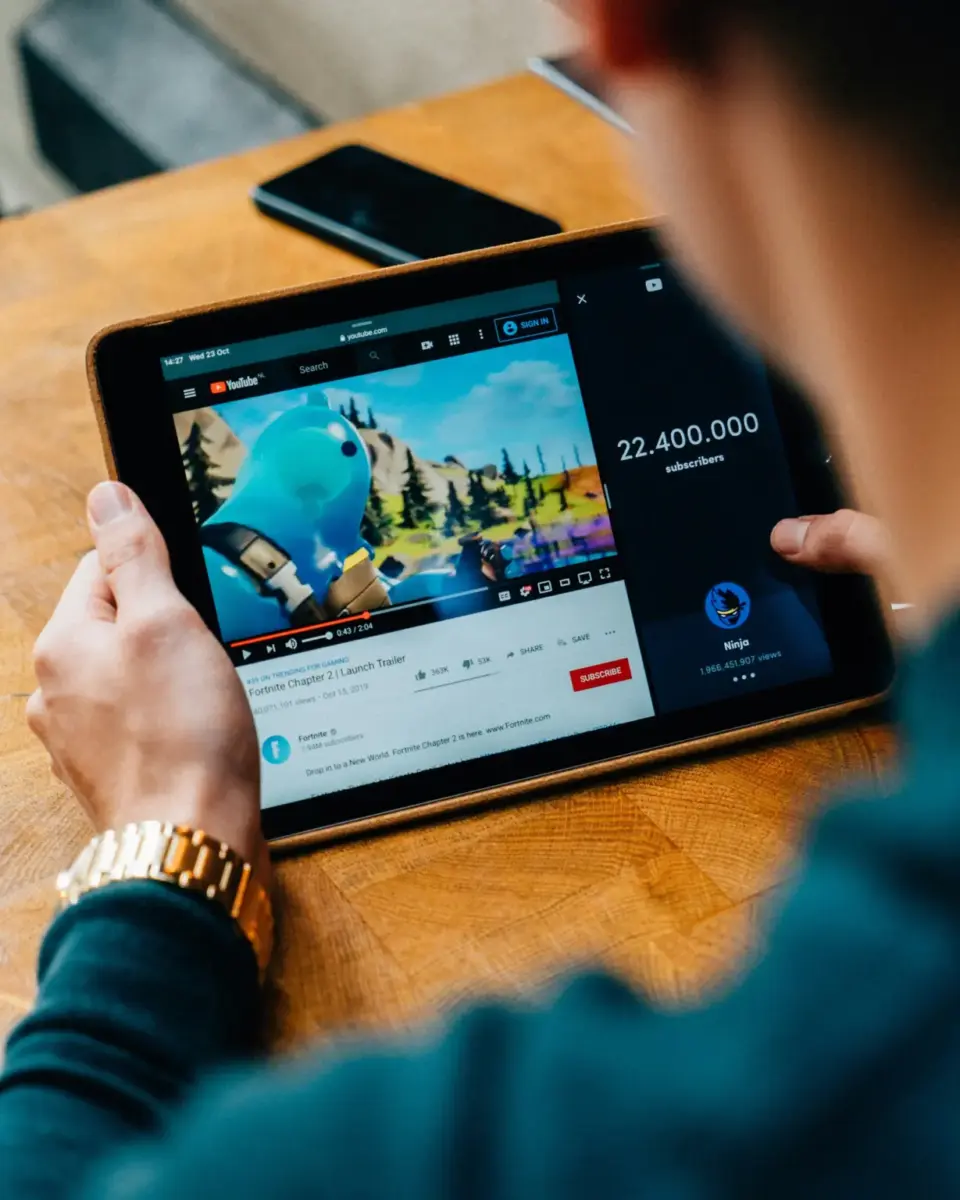
YouTube isn’t just a video-sharing platform; it’s the world’s second-largest search engine. With over 2.6 billion monthly active users, it’s a goldmine for reaching massive audiences and growing your brand. But how do you stand out in a sea of videos? The answer is YouTube SEO. In this guide, we’ll delve into the strategies that will propel your videos to the top of search results, attract your ideal viewers, and transform your channel into a thriving hub of engagement. Understanding YouTube SEO Just like Google, YouTube uses an algorithm to rank videos. While the exact formula is a secret, we know key factors influencing it: Relevance: How well your video matches a user’s search query. Engagement: Watch time, likes, comments, shares, and click-through rate. Quality: Video resolution, production value, and overall viewer experience. Freshness: How recently your video was uploaded. Optimizing Your Channel: The Foundation Keyword Research: Identify the terms your target audience is searching for. Utilize tools like Google Keyword Planner, YouTube’s search bar suggestions, and competitor analysis. Compelling Channel Name and Description: Your channel name should be memorable and relevant. Your description should clearly state what your channel is about and include relevant keywords. Eye-Catching Channel Art: Create a visually appealing banner and profile picture that reflects your brand and content. Organized Playlists: Group videos into playlists around specific topics to improve user experience and encourage longer watch sessions. Optimizing Your Videos: The Meat and Potatoes Keyword-Rich Titles: Include your main keyword early in the title. Keep it concise and engaging. Detailed Descriptions: Write a comprehensive description (200+ words) incorporating relevant keywords naturally. Highlight key points and include timestamps for longer videos. Relevant Tags: Use a mix of broad and specific tags. Don’t spam with unrelated tags. Engaging Thumbnails: Design custom thumbnails that are visually appealing and accurately represent your video’s content. Closed Captions and Subtitles: These improve accessibility and can be indexed by search engines. Cards and End Screens: Use these to promote other videos, playlists, or channels, and encourage viewers to subscribe. Video Chapters: Break down longer videos into chapters to improve user experience and navigation. Finding Your Audience with SEO Understand Your Niche: Clearly define your target audience’s interests, demographics, and pain points. Create Content They Crave: Focus on topics your audience cares about and provide value through entertainment, education, or inspiration. Optimize for Long-Tail Keywords: Target longer, more specific search phrases to attract a highly relevant audience. Leverage Community Posts: Share updates, behind-the-scenes glimpses, and polls to foster engagement and gather feedback. Cross-Promote on Other Platforms: Share your videos on social media, embed them on your website, and collaborate with other YouTubers. Ideal Video Length and the Role of Shorts There’s no one-size-fits-all answer, but data suggests: Longer Videos (10+ minutes): Tend to rank higher in search results and can generate more watch time. Shorts (Under 60 seconds): Excellent for reaching new audiences, increasing channel visibility, and experimenting with different content formats. The key is to create a mix of content that caters to different viewing preferences and goals. 2024 YouTube SEO Statistics and Trends Video is King: Over 500 hours of video are uploaded to YouTube every minute. Mobile Dominance: 70% of YouTube watch time comes from mobile devices. The Rise of Shorts: YouTube Shorts now generate 30 billion daily views. Longer Videos Win: Videos over 10 minutes long have a higher average view duration. Community Matters: Channels with high audience engagement tend to rank better. Easy SEO Tips for Beginners Transcribe Your Videos: This makes your content searchable and accessible. Add Time Stamps: Help viewers find specific sections of your videos. Create Eye-Catching Titles: Use numbers, questions, and power words. Promote Your Videos: Share on social media, forums, and relevant communities. Engage with Comments: Respond to viewers and build relationships. Conclusion YouTube SEO is a marathon, not a sprint. It requires consistent effort, data analysis, and a deep understanding of your audience. By implementing these strategies and staying on top of trends, you’ll be well on your way to growing a successful and engaging YouTube channel in 2024 and beyond. Remember, the best SEO strategy is to create high-quality content that people genuinely enjoy watching. When you focus on delivering value, the rest will follow.
Free Marketing: Your Guide to Bootstrapping Your Business on a Budget

Yes, we’re a marketing agency. People pay us to handle their marketing, and we’re pretty good at it. But we’ve also been there, starting with no budget, just time and a whole lot of hustle. We remember those days, and we want to help those who are just starting or find themselves scaling back. Why? Because we believe in the power of community and paying it forward. Plus, when your business takes off and you’re too busy to handle your own marketing, you’ll know exactly who to call. But until then, let’s dive into some free marketing strategies that can make a real difference. Marketing doesn’t have to break the bank. In fact, some of the most effective strategies are completely free! Whether you’re a new entrepreneur or a seasoned business owner looking to cut costs, these creative and resourceful tips will help you promote your business without spending a dime. Harness the Power of Social Media: Create Engaging Content: Share valuable insights, behind-the-scenes glimpses, customer testimonials, and eye-catching visuals. Leverage Hashtags: Research trending and niche-specific hashtags to reach a wider audience. Participate in Conversations: Engage with your followers, respond to comments, and join relevant groups or communities. Run Contests and Giveaways: Encourage engagement and attract new followers with exciting giveaways or contests. Cross-Promote on Different Platforms: Share your content across various social media channels to maximize your reach. Content Marketing That Connects: Blog: Share your expertise through informative blog posts, articles, or tutorials. Guest Blogging: Write for other blogs in your industry to reach new audiences and build backlinks. Create Videos or Podcasts: Share engaging content on platforms like YouTube or Spotify to reach auditory and visual learners. Repurpose Content: Turn your blog posts into social media snippets, infographics, or presentations. Network Like a Pro: Attend Industry Events: Connect with potential clients, partners, and collaborators at conferences, workshops, and meetups. Join Online Communities: Participate in forums, Facebook groups, or LinkedIn groups relevant to your industry. Offer Free Consultations or Workshops: Showcase your expertise and build relationships with potential clients. Partner with Complementary Businesses: Cross-promote each other’s products or services to reach new audiences. Optimize Your Online Presence: Claim Your Google Business Profile: Ensure your business information is accurate and up-to-date on Google Search and Maps. Get Listed in Online Directories: Submit your business to local directories like Yelp and Yellow Pages. Optimize for Local SEO: Use location-specific keywords on your website and social media profiles. Engage with Online Reviews: Respond to both positive and negative reviews professionally and promptly. Get Creative with Guerrilla Marketing: Host a Pop-Up Event: Create a buzz with a temporary event or installation. Partner with Local Influencers: Offer free products or services in exchange for promotion on their platforms. Chalkboard Signage: Use creative chalkboard signs to attract attention to your storefront or event. Street Teams: Assemble a team of enthusiastic volunteers to distribute flyers or samples. Leverage Email Marketing: Build an Email List: Offer a free download or exclusive content in exchange for email addresses. Send Regular Newsletters: Share valuable content, promotions, and updates with your subscribers. Segment Your List: Tailor your emails to different segments of your audience for better engagement. Tap into the Power of User-Generated Content (UGC): Encourage Reviews and Testimonials: Ask satisfied customers to leave reviews on your website, social media, or review sites. Run Social Media Contests: Encourage users to share photos or videos featuring your product or service. Feature Customer Stories: Share inspiring stories of how your business has helped people. Don’t Forget the Basics: Business Cards: Carry them everywhere and hand them out generously. Word-of-Mouth Marketing: Encourage satisfied customers to spread the word. Referral Program: Offer incentives for customers who refer new clients. Participate in Community Events: Get involved in local events to increase visibility and build relationships. Additional Tips: Track Your Results: Monitor your website traffic, social media engagement, and leads to assess the effectiveness of your strategies. Be Patient: Free marketing takes time and effort. Don’t get discouraged if you don’t see immediate results. Be Authentic: Build genuine connections with your audience by sharing your story and passion. Have Fun! Marketing should be enjoyable. Let your creativity shine through and have fun with it. Remember, free marketing is about resourcefulness and building relationships. By implementing these strategies consistently, you can effectively promote your business without breaking the bank. So, what are you waiting for? Start marketing your business for free today!
Google Business Profile Optimization: Your Ultimate FAQ Guide to Local SEO Success

Local businesses can’t afford to ignore their online presence! Google Business Profile (formerly Google My Business) is a free tool that empowers you to manage how your business appears in Google Search and Maps. It’s a crucial part of your local SEO strategy, but many business owners have questions. Let’s tackle the most common ones: What Is a Google Business Profile (GBP)? Your Google Business Profile is your business’s digital storefront on Google. It’s the information panel that pops up when someone searches for your business name or relevant keywords on Google or Google Maps. It includes: NAP (Name, Address, Phone Number): Your essential contact details. Website: A direct link to your website. Hours: Your business hours, including special holiday schedules. Reviews: Customer feedback about your business. Photos: Images of your products, services, or location. Posts: Short updates or offers you can share. Questions & Answers: A section where customers can ask questions. Messaging: A way for customers to contact you directly. Why Is Google Business Profile Optimization Important? Optimizing your GBP is crucial for several reasons: Visibility: It increases your chances of showing up in local search results, the “Local Pack,” and Google Maps. Credibility: A complete and accurate profile builds trust with potential customers. Engagement: It provides multiple ways for customers to interact with your business. Insights: GBP offers valuable data on how customers find and interact with your profile. How Do I Optimize My Google Business Profile? Here’s a step-by-step optimization guide: Claim and Verify Your Listing: If you haven’t already, claim your GBP listing and verify it through Google’s process. This establishes your ownership and allows you to manage your information. Complete Every Section: Fill out every section of your GBP profile thoroughly. Ensure your NAP information is accurate and consistent across the web. Write a compelling description of your business using relevant keywords. Choose the Right Categories: Select the primary category that best describes your core business activity. You can also add secondary categories to highlight additional services. Highlight Your Attributes: Choose attributes that accurately reflect your business, like “women-led” or “outdoor seating.” Upload High-Quality Photos: Include photos of your storefront, interior, products, team, and even customers enjoying your services. Use high-resolution images that showcase your brand personality. Encourage and Respond to Reviews: Reviews are social proof. Encourage satisfied customers to leave reviews. Respond to both positive and negative reviews professionally and promptly. Post Regularly: Share engaging posts about new products, promotions, events, or industry news. This keeps your profile fresh and shows you’re active. Answer Questions and Messages: Be responsive to customer inquiries. This demonstrates your commitment to customer service. Utilize Products and Services: If applicable, showcase your products or services with descriptions, prices, and photos. Track Your Insights: Regularly check your GBP insights to understand what’s working and what’s not. Use this data to refine your strategy. What Are Some Common GBP Optimization Mistakes to Avoid? Keyword Stuffing: Don’t overstuff your profile with keywords. Write naturally and focus on providing valuable information. Inconsistent Information: Ensure your NAP information is consistent across all online platforms. Discrepancies can confuse Google and potential customers. Ignoring Reviews: Don’t neglect customer feedback. Respond to reviews, whether positive or negative, in a professional manner. Not Updating Regularly: Keep your hours, photos, and posts up-to-date to show that your business is active and engaged. How Long Does It Take to See Results from GBP Optimization? SEO takes time. While some improvements may be visible within weeks, significant results often take several months of consistent effort. The time it takes to see results can vary depending on competition, industry, and location. Should I Hire a Professional for GBP Optimization? While you can optimize your GBP yourself, hiring a professional can be beneficial, especially if you’re short on time or lack SEO expertise. An experienced professional can: Audit your current GBP and identify areas for improvement. Optimize your profile with best practices and the latest techniques. Create a comprehensive local SEO strategy to maximize visibility. Monitor and report on your performance, making adjustments as needed. FAQ: Additional Tips for GBP Optimization Add a Virtual Tour: If possible, include a virtual tour of your business to give potential customers a better look inside. Offer Online Appointments: Make it easy for customers to book appointments or consultations online. Add Special Offers: Highlight promotions or discounts to attract new customers. Post Videos: Videos can be a great way to showcase your products or services and engage your audience. Conclusion Your Google Business Profile is a powerful tool for local SEO success. By optimizing it effectively, you can attract more customers, build trust, and grow your business in 2024 and beyond. Remember, consistency and engagement are key. Keep your profile updated, interact with customers, and monitor your performance to ensure you’re getting the most out of this valuable resource.
Transforming Your Law Firm’s Future with SEO

Let’s Talk SEO for Law Firms Why SEO is a Game-Changer: Imagine being the first name that pops up when someone needs legal help. That’s what SEO can do for your law firm! Getting Started with SEO: It’s Easier Than You Think! Keywords: Your Secret Weapon: Picture your ideal client searching online. What are they typing? Those are your golden keywords! Content is King: Share stories and advice that resonate. Think of your website as a helpful friend, always there with the correct answers. Making Your Website a Client Magnet First Impressions Matter: A sleek, easy-to-navigate website is like a welcoming office lobby. It invites clients in and makes them stay. Link Like a Pro: Internal links are your firm’s roadmap. They guide visitors through your site, showing them all the great stuff you offer. The Power of Strong Connections Backlinks: Digital Word-of-Mouth: Quality backlinks are like glowing recommendations from other websites. They tell Google you’re trustworthy. Social Media: Your Online Megaphone: Share your insights and engage with the community. It’s like networking but in your pajamas! Your Neighborhood Matters – Local SEO Be the Local Go-To Law Expert: Local SEO puts you right where you’re needed – in front of local clients looking for your expertise. Google My Business: Your Digital Billboard: Keep it updated! It’s how locals find you when they need you most. Keeping Track and Staying on Top Measure Your Success: Use tools like Google Analytics. It’s like a fitness tracker but for your website’s health. Stay Fresh and Relevant: SEO isn’t a one-time thing. It’s an ongoing journey. Keep adapting, just like you do in the courtroom. SEO is Your Firm’s Future Imagine a future where your firm is the go-to choice for clients. That’s the power of SEO! It’s a journey, but every step brings you closer to being the firm everyone talks about.
YouTube Thumbnails

A well-designed YouTube thumbnail can be the key to catching attention and driving substantial viewership to your video. Google reports that a whopping 90 percent of the top-performing YouTube videos feature custom thumbnails. A coincidence? I highly doubt it. This underscores the critical role of a YouTube thumbnail, which is precisely what we’ll be delving into today. Why Interesting Thumbnails Matter Compelling YouTube videos or YouTube short thumbnails have the potential to boost search rankings and increase watch time. YouTube’s recommendation system prioritizes finding videos for viewers, relying on metrics like watch time, views, likes, click-through rates of thumbnails, comments, and shares to determine ranking. It then aims to align these metrics with factors such as titles, tags, content, and descriptions to match incoming search queries. Crafting attention-grabbing YouTube thumbnails serves several purposes: Drawing Viewers In The thumbnail is the first visual impression viewers get. To entice them to click, it’s crucial to use a captivating image. Standing Out: With intense competition on YouTube, a compelling thumbnail helps your content shine amidst millions of other videos, increasing the likelihood of viewers choosing your video. Setting Expectations: A clear thumbnail provides a sneak peek of the content, allowing viewers to anticipate what they’ll find in your video. Branding: Consistent branding reinforces your brand identity and enhances brand recognition. Creating Eyecatching YouTube Thumbnails Use High- Res Images When it comes to online visuals, quality is paramount. Low-resolution images can appear pixelated and lack a professional touch. On the flip side, a high-quality image with a clean, uncluttered background can be all it takes to capture a searcher’s attention. Employing high-quality visuals not only attracts more viewers but also encourages them to stay engaged for longer periods. This, in turn, has a positive impact on YouTube’s algorithm, which relies on user engagement signals like watch time and viewer satisfaction to make recommendations. A prime example of this can be seen in YouTube’s content creator channel, specifically in their “Rules of the Road” series. Here, high-quality images and consistent branding ensure a clear and striking presence on screens of any size or shape. If creating your images poses a challenge, there are free tools available. Just be mindful to avoid using generic elements, and opt for graphics, colors, and fonts that align with your brand’s identity. Incorporate Informative Text Adding text to your YouTube thumbnail offers an additional opportunity to provide context for both the algorithm and viewers. Crafting visually appealing and attention-grabbing thumbnails can entice viewers to click on your videos, and the right text on your thumbnail can play a crucial role in achieving this. Here are some key considerations for effective on-image text: Choose your words wisely: Given the small size of thumbnails, it’s best to keep the text concise and straight to the point. Including only the most vital information that will capture the viewer’s attention is crucial. This could be a compelling question, an attention-grabbing word, phrase, or statistic. Consider SEO keywords: Integrating keywords into your thumbnails that users might search for can enhance the visibility of your video in search engine results. Be sure to incorporate them in a way that seamlessly blends with the overall design of the thumbnail and doesn’t come across as overly promotional. Pay attention to aesthetics: Fonts play a significant role in setting the tone of your thumbnails. For instance, using Serif fonts can evoke a simple, traditional style, as suggested by Render Forest. Things to Avoid Getting your thumbnail right is crucial, as it’s the first thing searchers encounter. Here are some mistakes to steer clear of when creating YouTube thumbnails: Avoid Overcrowding Resist the urge to overload your YouTube thumbnail with excessive elements. Too many images, text, and a lack of context can make it challenging for viewers to grasp its meaning. For the sake of clarity, opt for a simple YouTube thumbnail design. Use a high-quality image, incorporate concise text in a large, easily readable font, and inject some expression, much like I do in my own YouTube thumbnails. False Information We’re all familiar with clickbait, where a headline is crafted to lure in clicks. Chances are, you’ve encountered numerous articles that fall short of delivering on their promises. It can be frustrating when you don’t find what you were initially seeking. Producing thumbnails that mislead viewers leads to disappointment among your intended audience and may potentially violate Google’s policy against spreading misinformation. Google explicitly advises against sharing content that is manipulated or falsely attributed. If you breach this policy, you’re likely to receive a warning. Persistent violations may result in a suspension if similar content continues to be posted. Brand Inconsistency While it may seem minor, it’s important to steer clear of inconsistent branding. Maintaining uniformity in your choice of colors, fonts, and themes helps distinguish your videos from the rest. This becomes particularly crucial when you’re in the early stages of your YouTube journey, aiming to stand out among the countless videos uploaded daily. Forgetting About Your Mobile Audience In today’s digital landscape, mobile usage takes precedence. With a staggering 6.92 billion smartphone users, it’s imperative to cater to their needs. If you fail to optimize your YouTube thumbnails for mobile devices, they may not render clearly. This can result in a fuzzy image that lacks context, ultimately deterring potential clicks. The solution? Adhere to YouTube’s recommended dimensions of 1280×720 pixels, with a minimum width of 640 pixels. Utilize high-quality images, maintain clutter-free visuals, and incorporate contrasting colors for compelling thumbnails. Furthermore, consider adding closed captions and crafting headlines that are mobile-friendly. Last Words: Thoughtfully crafted YouTube thumbnails captivate viewers’ interest and elevate your content amidst the sea of online videos. Moreover, they play a pivotal role in enhancing your YouTube SEO by boosting click-through rates and viewer engagement. When crafting thumbnails for YouTube, prioritize clarity and maintain consistency, while also incorporating your brand identity. Following these principles will keep you on the right track. Additionally, using the correct thumbnail size for YouTube
Navigating the Essential SEO Metrics That Truly Matter
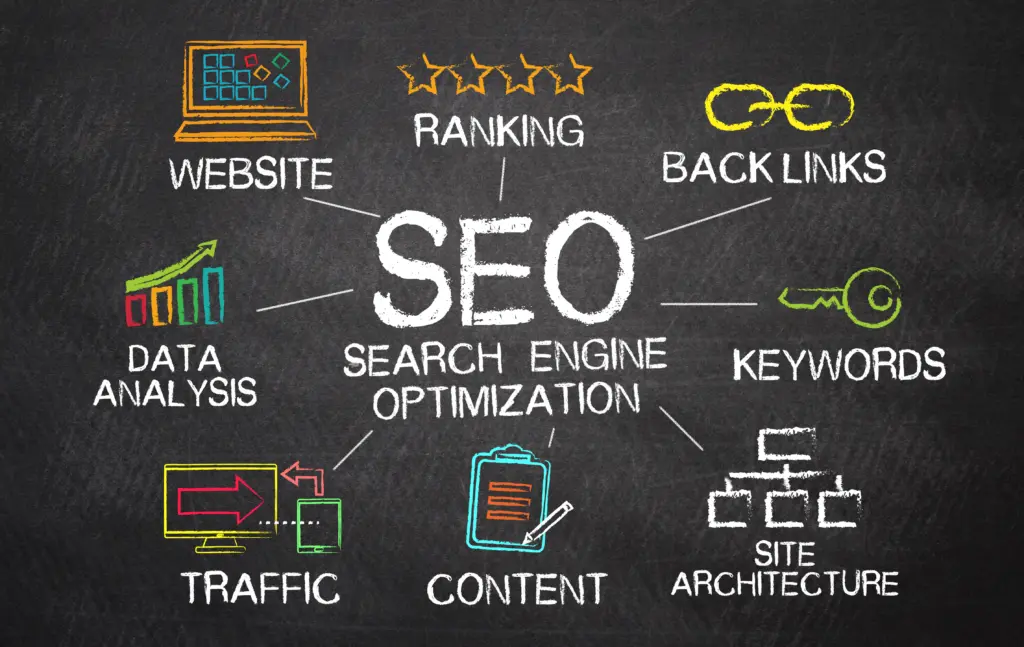
When gauging the success of your digital marketing endeavors, keeping a close eye on SEO Key Performance Indicators (KPIs) is paramount. Here, we highlight the pivotal SEO metrics that demand your attention. Organic Traffic Organic traffic, the unsung hero of online discovery, encompasses users who stumble upon your site through unpaid channels. Picture it: a regular search, a shared social media link, or even a lively online forum. The Content Marketing Institute boldly dubs organic traffic as the “super KPI of content marketing,” and trust me, they’re onto something big. This SEO metric isn’t just a number on a dashboard; it’s a direct reflection of your site’s prowess in the eyes of search engines. The more organic traffic you draw, the more your SEO efforts are hitting the bullseye. Organic traffic is not just random clicks; these are intentional explorers actively seeking your niche. Your organic traffic is a hotbed for potential conversions. Now, let’s talk about benefits. Embracing organic traffic isn’t just about climbing search engine ranks; it’s a masterstroke for brand awareness, a boon for customer retention, and, let’s not forget, an incredibly budget-friendly strategy. And the best part? You don’t need a magic wand to track it. Free analytics tools like GA4 can help. Just head to the “Acquisition” tab on your main dashboard, select your website property, and voila! A percentage breakdown of your organic traffic awaits, all neatly marked in soothing shades of blue. So, dive into the world of organic traffic metrics, and let your site bask in the limelight it truly deserves. Keyword Rankings At the core of any SEO strategy lies the fundamental practice of targeting keywords. The positioning of your page in the Search Engine Results Pages (SERPs) for these chosen keywords is revealed through keyword rankings. A prime example of this insight can be found in Ubersuggest’s Top Pages by Traffic report, shedding light on the keywords and their corresponding positions responsible for driving traffic to your pages. Ubersuggest’s keyword rankings serve as a compass in the vast digital landscape. The higher your position, the more organic traffic flows your way. A nugget of wisdom from Ahrefs: a staggering 75.1 percent of clicks gravitate towards the top three organic results, with 31.73 percent landing squarely on the numero uno spot. Delving into this SEO metric is akin to wielding a flashlight in the dark corners of your online presence. It reveals the keywords that pull their weight, steering your strategy towards the most fruitful paths. Curious about your keyword rankings? Tools like Ubersuggest or the reliable Google Search Console have got your back. Illuminate your digital landscape, and let the clicks roll in! Traffic Value Traffic Value gauges the monthly financial worth of the organic traffic generated by the ranking keywords on your website. Essentially, it estimates how much this traffic would have cost you if you had opted for paid advertising. Here’s how you can break it down: Calculate the monthly organic traffic each keyword brings in. Consider its specific ranking position. Multiply the result by the cost-per-click. If you prefer a hassle-free approach, give the traffic value calculator a spin—it simplifies the process for you. Happy calculating Page Load Times Speed is not just a feature; it’s a game-changer. When Vodafone amped up its LCP loading times, sales shot up by 8 percent. Yelp! followed suit, optimizing page loading times and enjoying a handsome 15 percent boost in conversions. But here’s the kicker—there’s more to this SEO metric than meets the eye. Research throws down the gauntlet: a whopping 26 percent of visitors will tap their fingers for only one to three seconds before bouncing off a slow-loading site. What’s the bottom line? Sluggish sites don’t just test patience; they hemorrhage leads. Moreover, the repercussions are grim—lower rankings and a bounce rate that’s through the roof. And let’s not forget the ultimate casualty: conversions. Slow-loading pages? They’re the silent assassins of your conversion rates. Test your current load time at Pingdom. Let the speed makeover begin! Backlinks In the realm of digital marketing, backlinks stand tall as one of the most crucial SEO metrics—and it’s not without good reason. A backlink is essentially a vote of confidence from other sites, signifying their endorsement of your content. The quality and relevance of these links directly contribute to your site’s authority and trustworthiness. Picture this: when authoritative sites in your niche link to your content, it’s akin to gaining a stamp of approval in the virtual eyes of search engines. This credibility boost translates to enhanced visibility and improved search rankings—a win-win for your digital presence. Curious about your backlink status? The Neil Patel backlink tool is a wizard at unveiling your backlink landscape. Now, armed with this knowledge, dive into the strategy arena. Elevate your backlink game with a concoction of quality content, strategic guest blogging, thoughtful blog commenting, and nurturing relationships with fellow website owners in your niche. What Metrics Don’t Matter As Much? While the aforementioned SEO metrics hold significance, it’s worth noting that some may not be as illuminating as they initially appear. Here are a few SEO metrics that you can observe with a more casual gaze. Bounce Rate Exit Rate Average Session Duration What Does This All Mean For You? Navigating the SEO metric landscape can be overwhelming. Take a breather and remember: you don’t have to juggle them all. Focus on the ones that align with your objectives. Here’s a simple guide: Define Your Goals: Pin down your primary SEO objectives. Whether it’s boosting organic traffic or expanding your brand, align your focus with metrics like keyword rankings, organic traffic numbers, and organic visibility. Customize for Your Industry: Consider your audience and industry. If you’re in e-commerce, prioritize metrics like click-through rates and conversions. For a blog owner, engagement, backlinks, and domain authority might take precedence. In the world of SEO metrics, it’s not about quantity—it’s about relevance to your goals and industry. Tailor your approach, and watch your metrics work for you.
How to Market Yourself as a Realtor Using SEO

Introduction to Real Estate Marketing and SEO The real estate market is fiercely competitive, and standing out as a realtor requires more than traditional marketing methods. In the digital age, search engine optimization (SEO) has become critical for realtors looking to market themselves effectively. This article will guide you through the essentials of using SEO to enhance your online presence and attract more clients. Understanding SEO Basics SEO, or Search Engine Optimization, is the process of improving your website to increase its visibility when people search for properties or real estate services. For realtors, this means attracting potential buyers and sellers to your site. Keyword Research for Realtors The foundation of any successful SEO strategy is robust keyword research. Identify phrases that potential clients might use when searching for real estate services in your area. Tools SEMRush, Surfer SEO, and Ahrefs can help. Optimizing Your Real Estate Website Your website is your digital storefront. Ensure it’s optimized with relevant keywords, easy navigation, high-quality images, and informative content about your services and listings. Leveraging Local SEO Local SEO is particularly crucial for realtors. This involves optimizing your website for location-specific queries and ensuring your business appears in local search results. Claiming your Google Business Profile is at the top of the list. Building a Social Media Presence Social media platforms are invaluable for realtors. Not only do they help in building a brand, but they also contribute to your SEO efforts through content sharing and increased engagement. Creating Quality Content Creating and sharing high-quality, relevant content like blog posts, market analyses, and video tours can significantly boost your SEO efforts. This content should answer common questions and showcase your expertise in real estate. Link Building Strategies Acquiring backlinks from reputable websites can significantly boost your site’s authority and search rankings. Focus on creating shareable content and engaging with local community sites. Mobile Optimization for Realtors A mobile-friendly website is essential, especially now that Google has moved to mobile-first ranking. Ensure your site is responsive and offers a seamless experience on mobile devices. Measuring SEO Success Track your SEO performance using tools like Google Analytics and Search Console. This helps in understanding what’s working and where you need to improve. Staying Updated with SEO Trends SEO is an ever-evolving field. Stay informed about the latest trends and algorithm updates to keep your strategy effective. We love Search Engine Journal for the latest news. Common SEO Mistakes to Avoid Avoid common mistakes like keyword stuffing, neglecting mobile optimization, and having a slow website. These can negatively impact your SEO efforts. Leveraging Reviews and Testimonials Positive reviews and testimonials can enhance your credibility and improve your SEO. Encourage satisfied clients to leave feedback on your Google Business Profile and social platforms. Advanced SEO Techniques Explore advanced techniques like structured data and optimizing for voice search to stay ahead in the competitive real estate market. Need Help With SEO? Implementing these SEO strategies can significantly enhance your visibility as a realtor. Start applying these techniques today to see a difference in your online presence and client engagement. If you need help implementing or just a free strategy session, let’s book some time today! SEO for Realtors FAQs How long does it take to see results from SEO in real estate? SEO is a long-term strategy, and results can vary. Generally, it takes a few months to see significant changes in search rankings and website traffic. Is SEO more effective than traditional advertising for realtors? While traditional advertising has its merits, SEO offers a cost-effective way to reach a broader and more targeted audience. Can I do SEO myself, or do I need to hire a professional? Basic SEO can be managed independently, but for more complex strategies, it might be beneficial to consult an SEO professional. How important are keywords in real estate SEO? Keywords are fundamental to SEO. They help search engines understand the content of your website and how it relates to user queries. Does social media impact my website’s SEO? Yes, social media can influence SEO through content distribution, engagement, and driving traffic to your website.
Elevating Your Podcasts: A Strategic Guide to Achieving Success

This guide is designed for individuals at various stages of their podcast journey, whether you’re initiating your venture or aiming to elevate an existing one. Our focus here is to provide insights and strategies to enhance the success of your podcast effectively. Identifying and Embracing Your Niche In the vast landscape of podcasting, distinguishing your content is paramount. This requires identifying a specific niche that resonates with both your interests and expertise. Whether your passion lies in 90s pop culture or the intricacies of coffee, honing in on a particular subject matter will help in attracting a dedicated audience. Audio Quality: A Balance of Excellence and Practicality While superior audio quality is beneficial, it’s not the sole determinant of a podcast’s success. A balance can be struck by investing in quality equipment without necessitating professional studio standards. Remember, compelling content is the cornerstone of a successful podcast, even if accompanied by minor auditory imperfections. Consistency in Podcasting: Flexibility and Reliability Maintaining a regular podcasting schedule is crucial, yet it’s understandable if occasional deviations occur. Consistency fosters audience loyalty, but flexibility in scheduling can also be accommodated. Unexpected episode releases can often enhance listener engagement. Audience Engagement: Fostering a Reciprocal Relationship Listener interaction is vital for a podcast’s growth and sustainability. Encourage audience participation through feedback, queries, and inclusive dialogues. Cultivating an active community fosters loyalty, which in turn promotes sharing and subscribing behaviors. Effective Branding: Establishing a Distinct Identity Your podcast’s branding, akin to a book’s cover, is a critical element in attracting new listeners. Invest in visually appealing cover art, a distinctive logo, and a memorable name. A well-crafted brand makes a significant first impression. Promotional Tactics: Strategic and Non-Intrusive Marketing Effective promotion is key, yet it should be executed tactfully to avoid over-saturation. Utilize social media platforms, collaborate with fellow podcasters, and engage your existing networks. Organic word-of-mouth promotion remains a potent tool in expanding your listener base. Adaptability: Navigating the Dynamic Podcast Landscape The realm of podcasting is constantly evolving, necessitating adaptability in your content strategy. Stay informed of emerging trends, align with your audience’s shifting interests, and experiment with innovative approaches. The most successful are those that grow and adapt alongside their hosts and listeners. This guide offers a comprehensive approach to transforming your podcast aspirations into tangible success. The key lies in authenticity and enjoyment in your podcasting journey. We wish you a fulfilling and prosperous podcasting experience. Feel free to reach out to us and follow for more free resources and tips!
Breeze Through Blogging: Quick Tips for Engaging Posts in a Flash!

Got a million ideas but no time to spare? Fear not! Whether you’re racing against the clock or just prefer a swift writing session, here’s your guide to crafting engaging blog posts without breaking a sweat. Save these quick tips for blogging, so you can reference them later on! Mind Your Minutes Ever heard of the phrase “writing in the zone”? Set a timer for 20-30 minutes, and let the words flow. Knowing the clock is ticking can kick your creative juices into overdrive. It’s like a mini writing sprint, and you’ll be amazed at what you can whip up in a short burst of focus. Choose a Snappy Topic Don’t waste time pondering the meaning of life for your next post. Pick a topic that excites you, something you can riff on without needing a PhD. Quick tip: if it’s something you’d chat about over lunch, it’s fair game. Embrace the Power of Lists Lists are your speedy sidekick in the world of blogging. They’re easy to read, straightforward to write, and they give your audience the satisfaction of ticking off items. Boom, engagement in a nutshell. This quick tip for blogging is one of the easiest to follow. If you’re having trouble coming up with a list, try using google or a similar search engine to research the subject your thinking about and gather more ideas. Sprinkle in Subheadings Subheadings are your secret weapon for guiding readers through your content. They break up the text, provide visual relief, and make your post more digestible. Think of them as little signposts on the express lane of your blog. First Impressions Matter Your intro is the golden ticket. Start with a bang, a question, a quirky fact—anything that makes your reader go, “Ooh, tell me more!” Once you’ve nailed that, the rest is like riding a content rollercoaster. And there you have it! With these quick tips for blogging, you’ll be churning out engaging blog posts like a content ninja. As always, follow us for more tips, tricks and ideas to keep your marketing moving!