
How to Dominate Google Maps in Your SC City: A Practical Guide
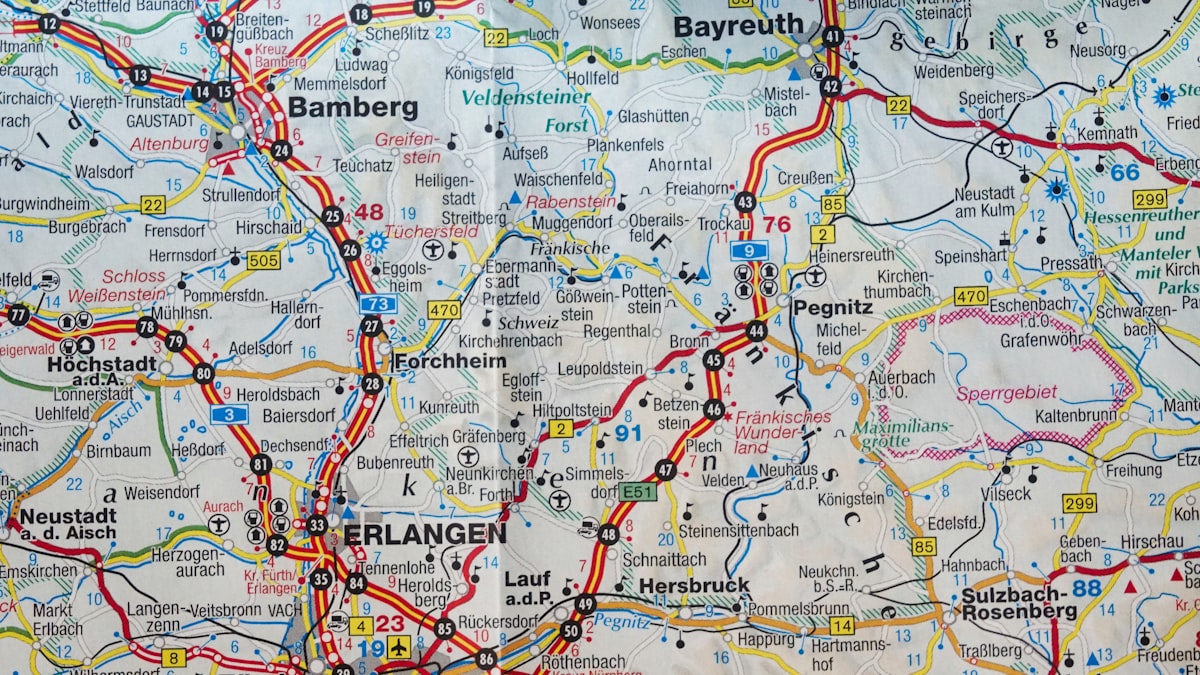
The Google Maps local pack, the three business listings with a map that appear at the top of local search results, is the most valuable real estate in local search. Businesses in the top three receive 44% of all clicks for local searches. If your SC business is not in that top three for your primary service keywords, you are invisible to nearly half of all potential customers who are actively searching for what you offer. The Three Pillars of Google Maps Rankings Google’s local ranking algorithm considers three primary factors: relevance, distance, and prominence. Understanding each one helps you prioritize your optimization efforts. Relevance is how well your GBP matches what the searcher is looking for. This is primarily determined by your business category, your business description, and the keywords present in your reviews and GBP posts. Choosing the most specific and accurate primary category for your business is the single highest-impact relevance signal. Distance is how close your business is to the searcher’s location. You cannot change your physical location, but you can influence how Google understands your service area by adding service area cities to your GBP and creating location-specific pages on your website. Prominence is how well-known and trusted your business is online. This is determined by your review volume and rating, the number and quality of your citations, the authority of your website, and the number of third-party mentions of your business. Prominence is the factor you have the most control over. The Citation Strategy That Moves Rankings Citations are the backbone of local prominence. Every authoritative platform where your business name, address, and phone number appear consistently adds to your local authority. Build citations on the following platforms in order of priority: Google Business Profile, Yelp, Facebook, Apple Maps, Bing Places, Foursquare, Yellow Pages, and at least 40 additional general and industry-specific directories. The Review Velocity Strategy Review velocity, the rate at which you receive new reviews, is a significant ranking factor. A business receiving 10 new reviews per month will typically outrank a business with more total reviews but no recent activity. Implement an automated text-based review request system and aim for a minimum of 5 new reviews per month. Location-Specific Pages: The Underused Ranking Multiplier If your SC business serves multiple cities, creating dedicated location pages for each city is one of the most effective ways to expand your Google Maps visibility. A plumbing company serving Myrtle Beach, Conway, and Surfside Beach should have three separate pages targeting each city. Each location page needs unique content, a unique title tag and meta description, the city name in the H1, and LocalBusiness schema with the specific city service area. Where does your SC business rank on Google Maps right now? Get your free Visibility Score. Frequently Asked Questions How long does it take to rank in the top 3 of Google Maps in SC? For most South Carolina markets, reaching the top 3 of Google Maps takes 3 to 6 months of consistent optimization. Less competitive SC cities and specific service niches can see top-3 rankings in as little as 60 to 90 days. Does my physical location affect my Google Maps rankings in SC? Yes. Google factors distance into local rankings. You can expand your effective service area by creating location-specific pages for each SC city you serve and adding service area cities to your Google Business Profile.
Schema Markup for Local Businesses: What It Is and Why It Matters for AI Search

If you have ever wondered why some local businesses show up in Google’s rich results with star ratings, FAQs, and business hours displayed directly in the search results, while others show only a plain blue link, the answer is schema markup. And if you want your SC business to be recommended by ChatGPT, Perplexity, or Google AI Overviews, schema markup is the single most important technical step you can take. What Is Schema Markup? Schema markup (also called structured data) is a standardized vocabulary of code that you add to your website to help search engines and AI tools understand what your content is about. It is not visible to website visitors. It lives in the HTML of your page and communicates directly with search engines and AI engines in their language. Without schema markup, a search engine reads your website the way a person reads a foreign language newspaper. It can see the words, but it is not entirely sure what they mean in context. With schema markup, you are providing a translation that says: “This is a local business. Its name is Flyt Creative. It is located in Myrtle Beach, SC. It offers these specific services.” The Schema Types Every SC Local Business Needs The most important schema type for local businesses is LocalBusiness. This schema tells search engines and AI tools everything about your physical business: name, address, phone number, hours, service area, price range, and services offered. It should be implemented on your homepage. The second most important schema type is Service. This schema describes each specific service you offer, including the service name, description, provider, area served, and price range. It should be implemented on each service page. The third most important schema type for AI search is FAQPage. This schema marks up your FAQ sections so that AI engines can read your questions and answers in structured format. FAQ schema is directly responsible for appearances in Google AI Overviews. How to Add Schema in Rank Math Pro Rank Math Pro makes schema implementation significantly easier than coding it manually. For LocalBusiness schema, go to Rank Math > Titles and Meta > Local SEO and fill in your business information. Rank Math will automatically add LocalBusiness schema to every page. For Service schema on individual service pages, open the page in WordPress, click the Rank Math icon, go to the Schema tab, click Add New Schema, and select Service. For FAQPage schema, add your FAQ section using the Rank Math FAQ block, which automatically generates FAQPage schema. Testing Your Schema After adding schema, always test it using Google’s Rich Results Test at search.google.com/test/rich-results. Paste your page URL and Google will tell you whether your schema is valid and whether it qualifies for rich results. Fix any errors or warnings before moving on. Does your SC business website have schema markup? Get your free Visibility Score to find out. Frequently Asked Questions What schema types does every SC local business website need? Every SC local business website needs at minimum: LocalBusiness schema on the homepage, Service schema on each service page, and FAQPage schema on pages with FAQ sections. Additional recommended schema includes BreadcrumbList, Article (for blog posts), and Person (for team pages). How do I add schema markup in Rank Math Pro? In Rank Math Pro, click the Rank Math icon on any page, select the Schema tab, click Add New Schema, and choose the appropriate type. For FAQ sections, use the Rank Math FAQ block which automatically generates FAQPage schema. Always test using Google’s Rich Results Test after adding schema.
The Truth About Social Media for SC Local Businesses: What Actually Drives Calls
Social media for local SC businesses is one of the most misunderstood marketing channels. Most business owners either ignore it entirely or post inconsistently without a strategy. The truth is that social media can be a meaningful lead generation channel for SC local businesses, but only if you understand what actually drives calls versus what just gets likes. What Social Media Can and Cannot Do for SC Local Businesses Social media is not a direct search engine. People do not typically open Facebook to search for an HVAC company the way they search on Google. What social media does is build familiarity, trust, and top-of-mind awareness so that when someone needs your service, your business is the first one they think of or recommend to a neighbor. The right metrics for local business social media are not follower counts or likes. They are reach (how many people in your service area see your content), profile visits (how many people click to learn more), and direct messages or calls that originate from social media. What Actually Works on Facebook for SC Local Businesses Facebook remains the highest-ROI social media platform for most SC local businesses, particularly those targeting homeowners and adults over 35. The content types that consistently drive engagement and calls are: before-and-after project photos, short video testimonials from satisfied customers, educational posts that answer common questions, and local community content. Before-and-after photos are particularly powerful for home service businesses. A roofing company posting a before-and-after of a roof replacement, a landscaping company posting a yard transformation, or a cleaning company posting a before-and-after of a deep clean all demonstrate tangible value in a way that text posts cannot. Instagram for SC Local Businesses Instagram works best for businesses with strong visual output: restaurants, home design, landscaping, salons, fitness, and retail. If your business is visually oriented, Instagram Reels are the highest-reach content format available. Short videos showing your work process, a quick tip, or a project transformation can reach thousands of people in your service area organically, without paid promotion. The Content Calendar Framework for SC Local Businesses A simple, sustainable content calendar for SC local businesses follows this weekly structure: Monday is an educational post (answer a common customer question), Wednesday is a project showcase or before-and-after, and Friday is a community or team post (something personal that builds connection). This three-post-per-week cadence is manageable, consistent, and covers the three content types that drive the most engagement for local businesses. Want Flyt Creative to manage your social media and drive real results? See our Social Media Management service. Frequently Asked Questions Which social media platform is best for SC local businesses? Facebook remains the highest-ROI platform for most SC local businesses targeting homeowners and adults over 35. Instagram works best for visually oriented businesses. LinkedIn is most effective for B2B and professional services. How often should an SC local business post on social media? Three posts per week, every week, outperforms seven posts one week and none the next. Consistency matters more than frequency. Build a content calendar and use a scheduling tool to maintain it.
How to Get More Google Reviews for Your SC Business (Without Begging or Buying Them)
Google reviews are the most visible trust signal for local SC businesses, and they directly influence both traditional Google rankings and AI search recommendations. Yet most SC business owners either do not ask for reviews at all or ask in ways that rarely result in actual reviews. This guide covers the exact system that generates 10 to 30 new reviews per month for SC businesses without awkward conversations or policy violations. Why Most Review Requests Fail The most common review request is a verbal ask at the end of a job: “If you were happy with our work, we would really appreciate a Google review.” This approach fails for three reasons. First, the customer has to remember to do it later, and most do not. Second, even motivated customers often cannot find your Google review page without a direct link. Third, the ask happens at a moment when the customer is distracted by the end of the transaction. The businesses generating the most reviews are using automated, text-based review requests sent within 24 hours of job completion, with a direct link to the Google review page. The Five-Step Review Generation System Step one is building your review request link. Go to your Google Business Profile, click “Get more reviews,” and copy the direct review link. This link takes customers directly to the review form, bypassing the search step that causes most review attempts to fail. Step two is setting up automated text requests. Use a CRM or automation tool to automatically send a text message to every customer within 24 hours of job completion. The message should be brief: “Hi [Name], thank you for choosing [Business Name]. If you have a moment, we would love to hear about your experience: [direct review link]. It means a lot to us.” Step three is the follow-up. If the customer has not left a review after 3 days, send one follow-up text. Do not send more than one follow-up. Step four is responding to every review. Respond to positive reviews within 24 hours with a genuine, personalized thank-you. Respond to negative reviews within 24 hours with empathy and an offer to make it right. Step five is tracking your review velocity. Set a goal of at least 5 new reviews per month. Track your progress weekly. What Not to Do Never offer incentives for reviews. Google’s terms of service prohibit incentivized reviews, and businesses caught doing this can have their GBP suspended. Never buy reviews from review farms. Never ask multiple customers to leave reviews from the same location or device, as Google’s spam filters will flag them. Want Flyt Creative to automate this entire system for your SC business? See our Reputation Management service. Frequently Asked Questions Can I offer a discount in exchange for a Google review? No. Offering incentives for reviews violates Google’s terms of service and can result in your Google Business Profile being suspended. Ask for honest reviews from satisfied customers through a systematic, non-incentivized request process. How many Google reviews does an SC business need to rank well locally? Businesses with 25 or more reviews and a 4.5+ average rating consistently outperform those with fewer reviews. Review velocity (receiving new reviews regularly) is a stronger signal than total review count alone.
Local SEO vs. Google Ads for SC Small Businesses: Which One Should You Choose?
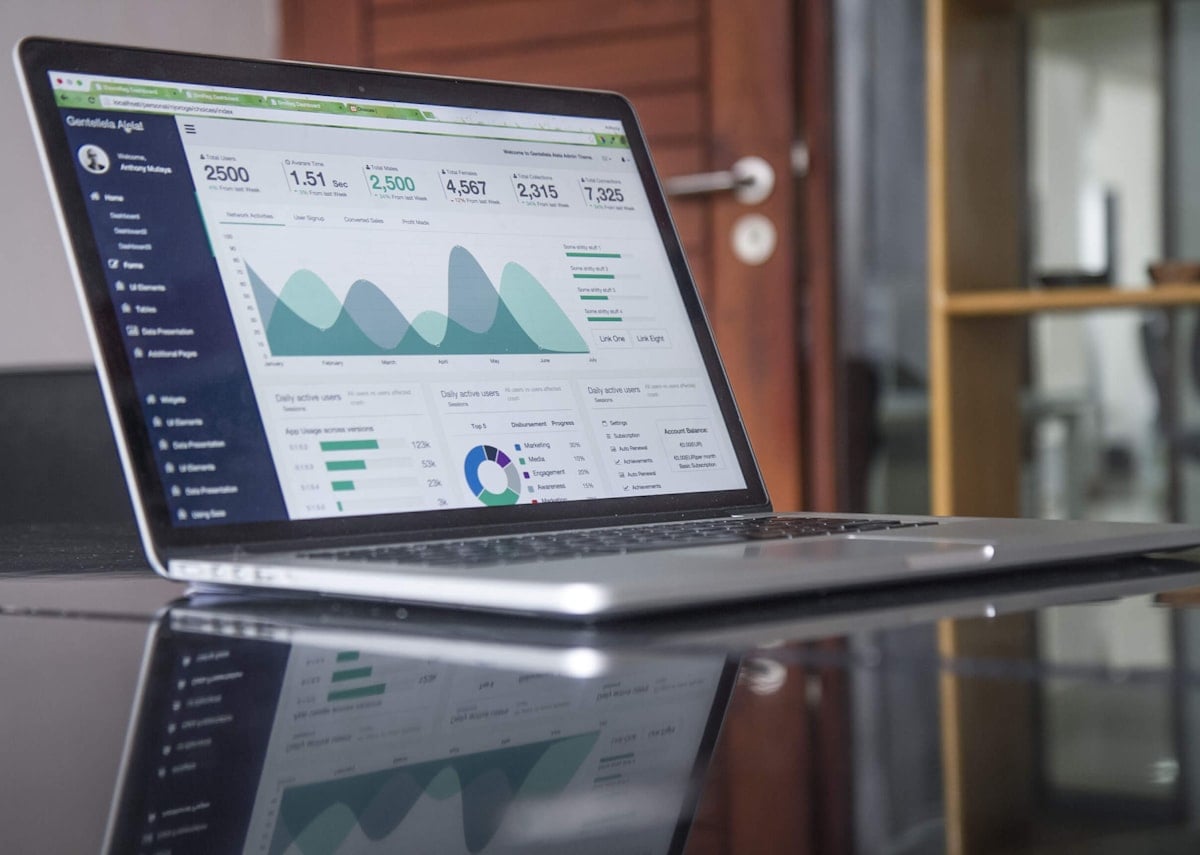
Every SC small business owner eventually faces this question: should I invest in local SEO or Google Ads? Both can drive leads. Both cost money. But they work very differently, and the right answer depends on your business type, budget, timeline, and growth goals. This guide breaks down both options honestly so you can make the right decision. How Google Ads Works for Local SC Businesses Google Ads is a pay-per-click advertising platform. You bid on keywords, and your ad appears at the top of Google search results when someone searches for those keywords. You pay only when someone clicks your ad. The advantages are speed (your ad can appear within 24 hours) and targeting precision. The disadvantages are cost and sustainability. When you stop paying, your ads disappear immediately. The average cost per click for local service keywords in South Carolina ranges from $8 to $45 depending on the industry. HVAC, legal, and financial services are at the high end. Landscaping and cleaning services are at the lower end. How Local SEO Works for SC Businesses Local SEO is the process of optimizing your online presence to rank organically in Google’s local results. Unlike Google Ads, local SEO takes time to build (typically 3 to 6 months for meaningful results) but creates compounding, long-term value. A business that ranks in the top three of Google Maps for its primary keywords receives leads continuously without paying per click. The Honest Comparison Factor Local SEO Google Ads Time to first results 3 to 6 months 24 to 48 hours Monthly cost (typical SC small business) $1,500 to $3,500 $1,000 to $5,000+ Results when you stop paying Persist gradually Disappear immediately AI search visibility Yes, builds it No Long-term ROI Very high Moderate Best for Sustainable growth Immediate leads The Recommendation: Both, Sequenced Correctly For most SC small businesses, the optimal strategy is to use Google Ads to generate immediate leads while local SEO builds in the background. Once your local SEO rankings are established (typically 4 to 6 months), you can reduce or eliminate Google Ads spend on the keywords where you now rank organically. If budget is limited and you can only choose one, the answer depends on your timeline. If you need leads this month, Google Ads is the answer. If you are building for the next two to three years, local SEO delivers far greater long-term ROI and also builds your AI search visibility, which Google Ads does not. Not sure which is right for your SC business? Contact Flyt Creative for a free strategy consultation. Frequently Asked Questions Which is cheaper for SC small businesses: local SEO or Google Ads? Local SEO typically costs $1,500 to $3,500 per month and builds compounding long-term value. Google Ads typically requires $1,000 to $5,000+ per month with results stopping when you stop paying. Long-term, local SEO delivers significantly higher ROI. Can I run local SEO and Google Ads at the same time? Yes, and for most SC businesses this is the optimal strategy. Google Ads generates immediate leads while local SEO builds long-term organic visibility. Once your organic rankings are established, you can reduce ad spend on those keywords.
Why SC Home Service Businesses Are Losing Customers to AI Search (And How to Fix It)

A homeowner in Conway needs a new roof. She does not open Google and type “roofing companies near me.” She opens ChatGPT on her phone and asks: “What is the best roofing company in Conway SC?” ChatGPT gives her a name. She calls that company. The other 40 roofing companies in the area never knew the lead existed. This scenario is playing out thousands of times per day across South Carolina, and the vast majority of home service businesses are completely invisible in AI search. Not because they are bad businesses, but because they have not taken the specific steps required to be visible in AI-generated answers. The AI Search Gap in SC Home Services Home services is one of the most AI-searched local business categories. When something breaks or needs to be replaced, homeowners want a fast, trusted recommendation. AI tools provide exactly that: a direct answer with a specific recommendation, often with a brief explanation of why that business was chosen. The businesses that appear in these recommendations share a common profile. They have complete, consistent business information across multiple platforms. They have LocalBusiness schema markup on their website. They have a strong, recent review profile. They have FAQ content on their website that directly answers the questions homeowners ask. Most SC home service businesses have none of these in place. The Five Fixes That Matter Most for Home Service Businesses The first fix is schema markup. Add LocalBusiness schema to your homepage and Service schema to each service page. This takes less than two hours with Rank Math Pro and immediately begins building your AI search signal. The second fix is FAQ content. Add a FAQ section to every service page. Answer the questions homeowners actually ask: “How much does a new roof cost in SC?” “How long does HVAC installation take?” “What should I look for in a plumber?” These questions are exactly what homeowners type into AI tools, and your answers become the source material for AI recommendations. The third fix is review velocity. Implement a text-based review request system that automatically asks every customer for a Google review within 24 hours of job completion. AI engines weight recent reviews heavily. A business with 10 reviews in the last 30 days will outperform a business with 200 reviews from three years ago in AI search recommendations. The fourth fix is citation consistency. Audit every platform where your business appears and ensure your name, address, and phone number are identical everywhere. Inconsistent citations confuse AI engines and reduce your recommendation likelihood. The fifth fix is local content. Publish one blog post per month that answers a specific local question. This content builds your topical authority and gives AI engines more material to draw from when recommending your business. Is your home service business visible in AI search? Get your free SC Business Visibility Score. Frequently Asked Questions Which home service businesses in SC benefit most from AI search optimization? HVAC companies, plumbers, roofers, electricians, landscapers, and general contractors in South Carolina benefit most. These are the service categories most frequently searched in AI tools when homeowners have an urgent need. How quickly can an SC home service business start appearing in AI search? With the right optimizations in place, most SC home service businesses begin appearing in AI search recommendations within 30 to 60 days of implementing schema markup, FAQ content, and citation consistency.
Google Business Profile Optimization: The Complete Guide for SC Local Businesses

Your Google Business Profile (GBP) is the most powerful free marketing tool available to South Carolina local businesses, and most SC business owners are using less than 40% of its capabilities. A fully optimized GBP can generate more calls, more website visits, and more direction requests than almost any other single marketing action. This guide covers every element of GBP optimization in order of impact. Why Your GBP Matters More Than Ever in 2026 Google’s local pack, the map with three business listings that appears at the top of local search results, captures 44% of all clicks for local searches. If your business is not in the top three, you are invisible to nearly half of all local searchers. Your GBP is the primary factor in determining whether you appear in that top three. Beyond traditional search, your GBP is now a key signal for AI search tools. Google AI Overviews pulls directly from GBP data when generating local business recommendations. A complete, active, well-reviewed GBP is one of the strongest signals you can send to both Google and AI engines. Business Information: Get Every Field Right Your business name in GBP should be exactly your real business name, nothing more. Do not add keywords to your business name, as this violates Google’s guidelines and can result in suspension. Your address must match your website and all other citations exactly. Your phone number should be a local number, not a toll-free number, as local numbers are a trust signal for local search. Your primary category is one of the most important GBP settings. Choose the most specific category that accurately describes your main service. Your business description is 750 characters of prime real estate. Write a description that includes your primary service, your service area (specific SC cities), your key differentiators, and a soft call to action. Photos: The Conversion Driver Most Businesses Ignore GBP listings with more than 100 photos receive 520% more calls than those with fewer than 10 photos. Photos are one of the most impactful and most neglected elements of GBP optimization. Upload photos in every available category: exterior, interior, team, products, services, and at work. Add new photos at least once per week. Use real photos, not stock images. GBP Posts: The Weekly Habit That Compounds Over Time GBP posts are short updates that appear directly in your GBP listing. They function like social media posts for your Google profile. Businesses that post weekly see measurably higher engagement and ranking stability compared to those that post infrequently. Post about completed projects with before-and-after photos, seasonal promotions, local events, and answers to common customer questions. Responding to Reviews: The Trust Signal That AI Engines Notice Responding to reviews is not just good customer service. It is a ranking signal. Google’s algorithm factors in review response rate and response time when determining local rankings. AI engines also weight review response activity as a signal of business legitimacy and engagement. Respond to every review within 48 hours, professionally and personally. How optimized is your GBP right now? Get your free SC Business Visibility Score and find out. Frequently Asked Questions How often should I post on my Google Business Profile? Post at least once per week. Weekly posts signal to Google that your business is active and engaged, which positively influences local rankings. Each post should include a photo, a brief description, and a call to action with a link to your website. How many photos should my GBP have? GBP listings with more than 100 photos receive 520% more calls than those with fewer than 10 photos. Aim for at least 25 photos to start and add new photos weekly. Use real photos of your actual business, team, and work.
How to Get Your SC Business Recommended by ChatGPT: A Step-by-Step Guide

When a potential customer in Myrtle Beach opens ChatGPT and types “who is the best plumber near me,” ChatGPT does not flip a coin. It draws on a combination of its training data, real-time web browsing, and structured signals from authoritative platforms. The businesses that appear in that answer are there because they have built the right digital footprint. Here is exactly how to build yours. Step 1: Verify Your Business Entity Across the Web AI engines like ChatGPT and Perplexity are sophisticated pattern-matching systems. They look for consistent, corroborating information about your business across multiple independent sources. If your business name, address, phone number, and description appear consistently on Google Business Profile, Yelp, Facebook, Apple Maps, Bing Places, and a dozen other authoritative platforms, the AI develops high confidence that your business is real, legitimate, and accurately described. Start by auditing your current citations. Search for your business name on Google and note every platform where you appear. Check for inconsistencies in your name, address, phone number, and business category. Fix every inconsistency you find. Then build out to at least 50 citations, prioritizing platforms that AI engines are known to index. Step 2: Implement LocalBusiness Schema on Your Website Schema markup is the single most direct way to communicate your business information to AI engines. The LocalBusiness schema type tells AI tools your business name, address, phone number, hours, service area, services offered, and price range in a structured, machine-readable format. AI engines can read this data directly, which is why businesses with complete schema markup are significantly more likely to be recommended. In Rank Math Pro, go to your homepage, click the Schema tab, and add a Custom Schema with the LocalBusiness JSON-LD code. Include your complete address, phone number, email, business hours, service area (list specific SC cities), and a list of your services. Step 3: Create FAQ Content That Answers Real Customer Questions AI engines are designed to answer questions. When someone asks ChatGPT “what is the best way to improve my Google rankings in South Carolina,” the AI looks for content that directly answers that question. If your website has a FAQ section that answers “How long does local SEO take in South Carolina?” or “What does local SEO cost for a small SC business?” you are creating content that AI engines can draw from. Add FAQ sections to every service page on your website. Use real questions that your customers ask you. Write clear, direct answers of 2 to 4 sentences. Then add FAQPage schema to each FAQ section so AI engines can read the questions and answers in structured format. Step 4: Build Third-Party Mentions and Citations AI engines weight third-party mentions heavily because they represent independent corroboration of your business’s quality and relevance. A mention in a local SC news article, a feature in a regional business publication, a guest post on a local blog, or a listing in a local chamber of commerce directory all contribute to your AI search authority. Actively pursue local press coverage. Submit your business to local business award programs. Join and get listed in your local chamber of commerce. Sponsor local events and get mentioned on their websites. Step 5: Maintain a Fresh Review Profile ChatGPT and Perplexity both factor review recency and volume into their local business recommendations. A business with 15 reviews from 2023 is less likely to be recommended than a business with 60 reviews including 10 from the last 30 days. Implement a systematic review generation process and aim to receive at least 5 new Google reviews per month. Find out if ChatGPT can find your business right now. Get your free SC Business Visibility Score. Frequently Asked Questions How do I check if my SC business appears in ChatGPT? Open ChatGPT with browsing enabled and ask: “What is the best [your service] in [your city] SC?” Note which businesses appear. If yours does not, implement the five steps in this guide starting with schema markup and FAQ content. How long does it take to get recommended by ChatGPT? With the right optimizations in place, most SC businesses begin appearing in AI search recommendations within 30 to 60 days. Full AI search visibility typically develops over 3 to 4 months of consistent optimization.
The Local SEO Checklist Every SC Business Owner Should Follow in 2026

Local SEO in 2026 is not complicated, but it is layered. There are a dozen moving parts, and most SC business owners have done some of them but not all of them. The ones who have done all of them consistently are the ones showing up at the top of Google Maps and getting recommended by AI tools. This checklist covers every element you need to address, in order of impact. Google Business Profile: Your Most Important Asset Your Google Business Profile is the single most important local SEO asset you have. It is what appears in the Google Maps local pack, the knowledge panel on the right side of search results, and increasingly in Google AI Overviews. If you have not claimed and verified your GBP, stop reading and do that first at business.google.com. Once claimed, your GBP needs to be fully optimized. This means selecting the most specific primary category for your business, writing a keyword-rich business description that includes your city and service area, uploading at least 10 high-quality photos, and adding all your services with descriptions and prices where applicable. GBP profiles with complete information receive 70% more calls than incomplete profiles. Weekly GBP posts are one of the most underused local SEO tactics. Posting once per week about a service, promotion, or local event signals to Google that your business is active and engaged. These posts appear directly in your GBP listing and can influence both rankings and click-through rates. Citation Building: The Foundation of Local Trust A citation is any online mention of your business name, address, and phone number. Citations on authoritative platforms like Yelp, Facebook, Apple Maps, Bing Places, and industry-specific directories tell Google and AI engines that your business is legitimate and consistently located where you say it is. The most critical factor in citation building is consistency. Your business name, address, and phone number must be identical across every platform. Even small variations, such as “St.” versus “Street” or “Ste” versus “Suite,” can dilute your local authority. Audit your existing citations, fix any inconsistencies, and build out to at least 50 citations on reputable platforms. On-Page SEO for Local Businesses Every page on your website should include your city or service area in the title tag, meta description, and at least one H2 heading. Your homepage should have a clear H1 that includes your primary service and location. Your contact page should include your full address in text format so search engines can read it. Create dedicated service area pages if you serve multiple cities. A roofing company serving Myrtle Beach, Conway, and Florence should have separate pages targeting each city, not a single page that mentions all three. Each page should have unique content, a unique title tag, and local schema markup. Reviews: The Trust Signal That Drives Everything Reviews are the most visible trust signal for local businesses, and they influence both traditional Google rankings and AI search recommendations. The goal is not just to have reviews but to have a steady, recent stream of them. An AI engine asked to recommend a local business will favor the one with 80 reviews and a 4.7 average over the one with 200 reviews and a 3.9 average. Implement a systematic review request process. Ask every satisfied customer via text message within 24 hours of completing a job. Include a direct link to your Google review page. Respond to every review, positive and negative, within 48 hours. Schema Markup: The AI Search Multiplier Schema markup is structured code that you add to your website to help search engines and AI tools understand exactly what your business does. At minimum, every SC local business website should have LocalBusiness schema on the homepage, Service schema on each service page, and FAQPage schema on service pages and the homepage. Adding schema is a technical task but not an especially difficult one if you use Rank Math Pro. The impact can be significant: businesses with complete schema markup are measurably more likely to appear in Google AI Overviews and to be recommended by ChatGPT when users ask about local services. Want to see how your SC business scores on this checklist right now? Get your free Visibility Score and we will show you exactly where you stand. Frequently Asked Questions What is the most important local SEO factor for SC businesses? Your Google Business Profile is the single most important local SEO asset. A fully optimized, actively managed GBP with consistent NAP information, regular posts, and a strong review profile is the foundation of local search visibility in South Carolina. How many citations does an SC business need for local SEO? A minimum of 50 consistent citations on reputable platforms is the threshold for strong local authority. Start with the core platforms (Google, Yelp, Facebook, Apple Maps, Bing) and build out from there to industry-specific and local SC directories.
What Is AI Search Optimization and Why Every SC Business Needs It in 2026

Something significant shifted in how people find local businesses in 2026, and most South Carolina business owners have not noticed yet. The shift is not happening on Google’s traditional blue-link results page. It is happening inside ChatGPT, Perplexity, Google AI Overviews, and Microsoft Copilot. When someone types “best HVAC company near Myrtle Beach” or “who is the top roofer in Florence SC” into one of these AI tools, they get a direct answer with a specific business recommendation. Not a list of ten links. A single name. That single name is almost never chosen at random. It is the result of a deliberate optimization strategy called AI Search Optimization, also known as Answer Engine Optimization (AEO) or Generative Engine Optimization (GEO). And right now, fewer than 2% of South Carolina local businesses are doing it. What Is AI Search Optimization? AI Search Optimization is the process of making your business visible and recommendable inside AI-powered search tools. Unlike traditional SEO, which focuses on ranking in a list of links, AEO focuses on getting your business directly cited in an AI-generated answer. When someone asks ChatGPT “what is the best marketing agency in Myrtle Beach,” the AI does not search Google. It draws on its training data, real-time web browsing, and structured data signals to construct an answer. Your goal is to be the business those signals point to. The five core signals that AI engines use to recommend local businesses are: consistent Name, Address, and Phone (NAP) information across multiple platforms; LocalBusiness schema markup on your website; review volume and recency on Google; third-party mentions in local publications and directories; and fresh content that directly answers specific customer questions. Businesses with strong signals across all five areas are significantly more likely to be recommended. Why This Matters for SC Businesses Right Now A 2025 survey found that 45% of consumers now use AI tools to research local businesses before making a purchase decision. That number is growing by roughly 8% per quarter. In practical terms, this means that nearly half of your potential customers may be asking an AI for a recommendation before they ever visit your website or call your phone number. The competitive opportunity here is extraordinary. Most of your local competitors are still focused entirely on traditional Google rankings. They are not implementing schema markup. They are not building FAQ content designed for AI queries. They are not verifying their business information across AI-indexed platforms. This means that the SC business that moves first on AI search optimization has a significant first-mover advantage that will compound over time. The Difference Between SEO and AEO Traditional SEO asks: “How do I rank on page one of Google?” AEO asks: “How do I get recommended when someone asks an AI about my service category?” The strategies overlap but are meaningfully different. SEO prioritizes keyword density, backlinks, and page authority. AEO prioritizes structured data, entity verification, conversational content, and citation consistency. One practical way to think about it: Google ranks pages. AI engines recommend businesses. To rank a page, you optimize for algorithms. To get recommended as a business, you optimize for trust signals that AI engines can verify across multiple independent sources. How to Start with AI Search Optimization The most impactful first step is implementing LocalBusiness schema markup on your website. This is a block of structured code that tells AI engines exactly who you are, where you are, what you do, and how to contact you. The second step is adding FAQ schema to your service pages, using questions that real customers ask about your services. The third step is auditing your NAP consistency across Google Business Profile, Yelp, Facebook, Apple Maps, and at least 20 additional directories. These three steps alone, done correctly, can result in your business appearing in AI search recommendations within 30 to 60 days. Flyt Creative implements all three as part of every local SEO package, because AI search visibility is no longer optional for SC businesses that want to grow. Ready to find out if your SC business is visible in ChatGPT and Perplexity? Get your free Visibility Score today. Frequently Asked Questions What is AI Search Optimization? AI Search Optimization (AEO) is the process of making your business visible and recommendable in AI tools like ChatGPT, Perplexity, and Google AI Overviews. It focuses on structured data, FAQ content, citation consistency, and review signals that AI engines use to recommend local businesses. Why do SC businesses need AI search optimization in 2026? Nearly half of consumers now use AI tools to find local businesses. SC businesses not optimized for AI search are invisible to this growing segment of potential customers. Early movers have a significant competitive advantage that compounds over time. How is AEO different from traditional SEO? Traditional SEO ranks pages in Google blue-link results. AEO gets your business recommended in AI-generated answers. AEO prioritizes structured data, entity verification, and conversational FAQ content over keyword density and backlinks alone.