
Unlocking SEO Success: Your Friendly Guide to Website Optimization
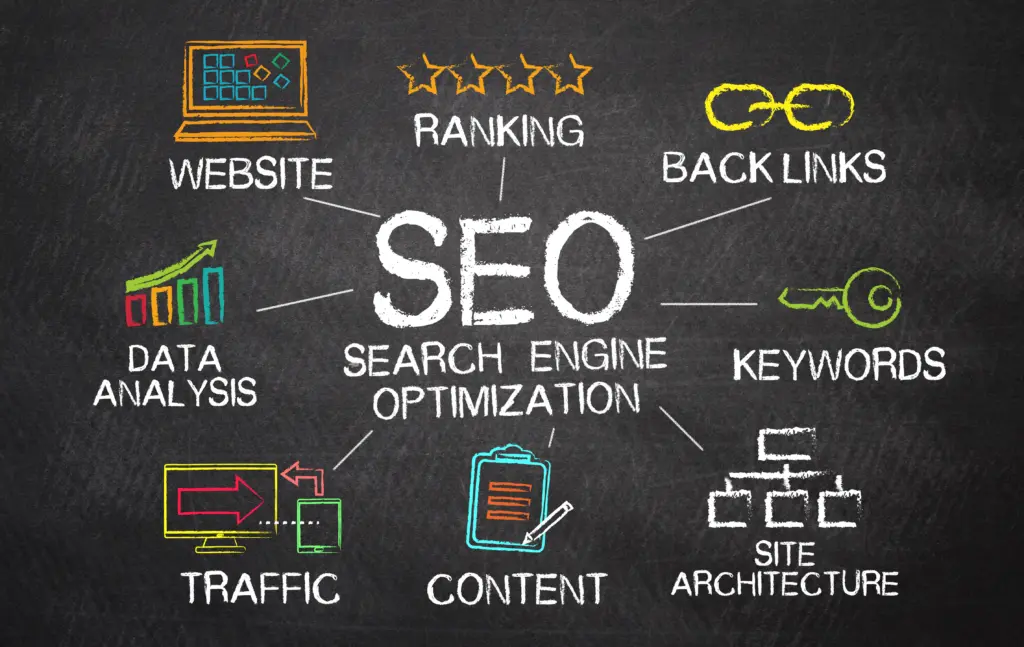
Welcome to the world of SEO, where your website’s visibility on search engines can make or break your online presence. Whether you’re a knowledgeable business owner, or just dipping your toes into the SEO waters, this guide is here to help you understand the ins and outs of website optimization and why it’s so vital to the success of your business. First Things First: Building a Strong Foundation – Website Structure and Technical SEO Your website’s structure is like the blueprint of a house. A solid foundation ensures everything else falls into place smoothly. Let’s take a look at some key elements of technical SEO. Check Those HTML Tags HTML tags are the building blocks of your web pages. They include the title tag, header tags (H1, H2, H3), and meta tags. These tags help search engines understand your content. Ensure they are used correctly and thoughtfully. You want these to make sense. Don’t Forget the Sitemap Imagine a map for your website, or and org chart – that’s what an XML sitemap is. It guides search engine bots to all your important pages. Make sure it’s not only present but also functional. Taming the Robots Robots.txt is like a bouncer for your website. It tells search engines which parts they can access and which they should steer clear of. Make sure it’s correctly configured to avoid unnecessary restrictions or pages that just aren’t necessary for a bot to visit. Keep It Readable Your website’s URL structure should be short, sweet, and descriptive. A jumbled mess of characters won’t do you any favors. Clean, readable URLs are the way to go. You can go with our tried and true method of a *K.I.S.S (Keep it Simple Silly). Need for Speed Site speed and mobile-friendliness are vital for user experience and rankings. Tools like Google’s PageSpeed Insights, Mobile-Friendly Test, and GTMetrix can help you assess and improve these aspects. You want your site to be mobile-friendly, so test out any changes you may make to ensure they translate to mobile devices properly. Next Steps: Keywords – Your SEO Building Blocks Keywords are the words and phrases people use to find content online. A solid keyword strategy is essential and needs to take users where they need to go. The Keyword Strategy Check Review your website’s current keyword strategy. Are your keywords relevant to your content and audience? Have they been thoroughly researched? Ensure they are placed appropriately in your content. You wouldn’t want someone to search for “cake recipes” and end up on a page talking about birthday party decor. Beware of Keyword Stuffing Keyword stuffing is a big no-no. Don’t overuse keywords to the point where it sounds unnatural. Maintain a healthy keyword density that makes your content flow smoothly. Refresh and Revamp Based on your keyword research, consider adding or deleting keywords from your content. Keep it updated to stay relevant. Use different variations of the keyword to not be overly repetitive. Content is King: Crafting Quality SEO Content Content is king, as they say. But it’s not just about quantity; quality matters too. This isn’t a scenario where you want to just throw ideas out there and see what sticks. Be ready to research and strategically plan how and where your content is posted. The Quality Check Take a close look at your existing content. Is it informative and relevant? Ensure it’s unique and not duplicated from other sources. Heading in the Right Direction Headers (H1, H2, H3) help structure your content. Make sure they are used appropriately and enhance readability. Spice It Up Multimedia elements like images, videos, and infographics can engage your audience better. Incorporate them when relevant. On-Page SEO – Making Every Page Count Now that your content is in tip-top shape, let’s focus on optimizing your individual pages. Crafting Meta Magic Meta titles and descriptions play a role in click-through rates from search results. Make them compelling and relevant to each page. Friendly URLs SEO-friendly URLs are short, descriptive, and easy to read. They help both search engines and users understand what a page is about. Weaving Internal Links Internal links connect different parts of your website. They enhance navigation and can boost your SEO. Look for opportunities to include them in your content. As one might say, lead your clients further down the rabbit-hole of your website. The Canonical Conundrum Canonical tags are used to specify the preferred version of a page when duplicate content exists. Ensure they are in place where necessary. Structured Data – Your SEO Superpower Schema markup, or structured data, can provide additional context to search engines. Implement it where applicable to enhance your listings in search results. Backlinks – Building Bridges to Authority Backlinks are like votes of confidence from other websites. They demonstrate your authoritativeness and trustworthiness from your peers. Quality Over Quantity Analyze your website’s backlinks. Are they from reputable and relevant sources? If not, it’s time to clean house and get rid of them. Say No to Toxic Backlinks Toxic or spammy backlinks can harm your SEO efforts. Identify and disavow them to keep your backlink profile healthy. Anchor Text Harmony Monitor the distribution of anchor text in your backlinks. A diverse mix is preferable to avoid over-optimization. User Experience – Making Visitors Feel at Home A great user experience is key to keeping visitors on your site. Is your website easy to navigate? Are your call to actions clear and easily found? Lets explore how people use your website. Navigate with Ease Check your website’s navigation and site architecture. Make sure users can find what they’re looking for effortlessly. Mobile Matters With the majority of web traffic coming from mobile devices, ensure your site is responsive and usable on phones and tablets. The Dreaded 404s Broken links and 404 errors can frustrate users. Regularly check for them and fix any you find. Call to Action Clarity Every page should have a clear call-to-action (CTA) that guides users on what to do next, whether
Emerging Social Media Trends Poised to Transform the Digital Landscape

Staying ahead of the social media curve is essential for marketers and brands looking to maintain relevance and engagement with their audience. Certain trends are emerging that are set to redefine how we interact with social platforms. From the rise of ephemeral content to the integration of augmented reality, these trends are not just shaping online interactions but also the marketing strategies that drive them. The Rise of Ephemeral Content: A Move Towards Authenticity One of the most notable shifts in social media consumption is the growing popularity of ephemeral content—content available for only a short duration before it disappears. Platforms like Instagram, Snapchat, and Facebook have spearheaded this trend with their Stories features, which allow users to share moments of their day that are not polished but are real and raw. This trend underscores a move towards authenticity, as audiences increasingly favor genuine content over the airbrushed perfection that was once the hallmark of social media. Video Content Dominates: The Era of Visual Storytelling Video content continues to dominate social media, with platforms like TikTok and YouTube leading the charge in this dynamic form of storytelling. Short-form videos, in particular, have seen a surge in popularity, enabling users to capture attention with bite-sized, engaging clips. Marketers are taking note, crafting video content that is not only entertaining but also tailored to the short attention spans of today’s social media users. Social Commerce: Blurring the Lines Between Shopping and Socializing Social media is quickly becoming a marketplace in its own right. With features like shoppable posts and in-app purchases, platforms are making it easier for consumers to go from discovery to purchase without ever leaving the app. This integration of commerce into social experiences represents a significant opportunity for brands to tap into the impulse buying behavior that these platforms can incite. Authentic Engagement Over Vanity Metrics As the social media landscape matures, there is a growing skepticism around vanity metrics such as likes and followers. Instead, the focus is shifting towards meaningful engagement. This pivot drives brands to foster communities and connections rather than merely amassing a following. By prioritizing authentic engagement, brands can build loyalty and trust, which are invaluable in the digital age. Augmented Reality: Creating Immersive Experiences Augmented reality (AR) is no longer just a futuristic concept—it’s a current trend that’s bringing an interactive dimension to social media. Through AR filters and interactive ads, users can experience products and stories in a more immersive way. This technology not only captures the imagination but also holds the potential to significantly boost user engagement and retention for brands that leverage it creatively. Inclusivity and Social Responsibility: The New Brand Imperatives Today’s consumers are more conscious of social issues and expect brands to reflect this awareness in their social media presence. Inclusivity, diversity, and social responsibility are no longer optional—they’re imperative. Brands that champion these values and use their platforms to promote positive change resonate deeply with audiences, leading to stronger connections and a more dedicated customer base. AI and Machine Learning: Personalization at Scale Artificial intelligence and machine learning are revolutionizing how we experience social media, enabling hyper-personalized content and interactions. By leveraging AI, brands can deliver content that is tailored to the individual preferences and behaviors of their audience, making for a more engaging and satisfying social media experience. The Power of Micro-Influencers: Niche Communities and Authentic Influence The influence of celebrity endorsers is waning in favor of micro-influencers—individuals with smaller, more engaged followings. These influencers often have a strong connection with their niche communities, lending an air of authenticity and trust that big-name endorsements can’t match. Brands are partnering with micro-influencers to tap into these dedicated communities and foster genuine brand advocacy. Data Privacy and Transparency: Building Trust in the Digital Age With increasing concerns about data privacy, users are becoming more selective about the platforms they use and the information they share. In response, social media companies are being called to greater levels of transparency and accountability. For brands, respecting user privacy and being transparent about data usage can strengthen trust and loyalty among their audience. Adapting to the Continuous Evolution The only constant in social media (and life, for that matter) is change, and these trends are indicative of the broader shifts occurring in the digital ecosystem. By understanding and adapting to these trends, brands can position themselves effectively within the dynamic social media landscape. Engaging authentically, embracing new technologies, and upholding social responsibility will be vital in crafting a presence that resonates with today’s discerning audiences. As we navigate through these emerging trends, it’s clear that the brands that are flexible, authentic, and technologically savvy will be the ones that thrive. Embracing these trends will not only enhance a brand’s digital presence but also ensure a deeper, more meaningful connection with their audience. Do you need a partner in social media management and growth? Contact us.
Maximizing Patient Reach: How to Attract More Patients to Your Practice

While providing quality care remains the top priority, implementing the latest healthcare marketing strategies to expand your practice is vitally important. We will cover valuable insights and tips to help healthcare professionals boost their patient influx and improve their practice’s visibility. Leveraging Online Presence Having a solid online presence is paramount. Start by creating an informative and user-friendly website for your medical practice. Ensure your website is search engine optimized (SEO) with relevant keywords related to your specialty, location, and services. This will enhance your chances of appearing higher in Google search results, making it easier for potential patients to find you. Content Marketing and Blogging Investing in content marketing and maintaining an engaging blog can significantly impact patient attraction. Share informative articles, medical updates, and health tips through your blog. Use layperson’s terms to make your content easy for the general audience to understand. By consistently providing valuable information, you position yourself as an authoritative source, attracting more patients seeking reliable healthcare expertise. Social Media Engagement Utilize the power of social media platforms to connect with potential patients and build a community around your medical practice. Identify the platforms where your target audience is most active and create engaging posts regularly. Share informative content, patient testimonials, and updates about your practice. Encourage your patients to leave positive reviews, which can influence others to choose your services. Implementing Search Engine Optimization (SEO) Techniques To improve your Google ranking, implement effective SEO techniques. Conduct thorough keyword research to identify the most relevant keywords for your medical practice. Incorporate these keywords naturally into your website content, blog posts, and social media profiles. It is critical to optimize your website for mobile devices. According to Oberlo.com, 52.52% of all web traffic came through mobile phones. Local SEO for Targeted Reach For location-based practices, local SEO is crucial. Include your practice’s name, address, and phone number (NAP) on your website and social media profiles. List your practice on Google Business Profile (AKA Google My Business) and other online directories specific to your industry. This will enhance your visibility in local searches, making it easier for potential patients in your area to discover your practice. Video Marketing Utilize the power of video marketing to engage with your audience effectively. Create informative videos about common medical concerns, treatments, and preventive care. You can also introduce your medical team and showcase the facilities of your practice. Engaging videos can leave a lasting impression on potential patients, encouraging them to choose your practice for their healthcare needs. Patient Referral Program Word-of-mouth remains a powerful tool for attracting patients. Implement a referral program to incentivize your current patients to refer their friends and family. Offer discounts, complimentary services, or other incentives to patients who successfully refer new patients to your practice. Satisfied patients are more likely to recommend your services, helping you expand your patient base. Community Involvement Getting involved in your community can positively impact your practice’s visibility. Sponsor local events, participate in health fairs, and collaborate with other healthcare providers in your area. By actively participating in community activities, you build trust and establish your practice as a reliable and caring medical resource. Solid Online Presence = Exponential Growth Maximizing patient reach is essential for the growth and success of any medical practice. By leveraging your online presence, implementing effective SEO strategies, and engaging with your audience through content marketing and social media, you can attract more patients to your practice. Additionally, fostering a positive reputation through patient referrals and community involvement will further contribute to expanding your patient base. Take proactive steps to enhance your practice’s visibility and reap the rewards of a thriving medical practice. If you need help with growing your practice, we can help. From SEO to social media, from paid ads to video marketing, we can create a custom healthcare marketing strategy to fit your budget and needs. Call us today for a free consultation and website audit.
Enhancing Healthcare through Social Media: A Comprehensive Guide

From patient care to medical research, social media is helping to shape the future of healthcare marketing. Embracing Social Media for Healthcare Advancements Social media has emerged as a powerful tool transforming various industries, including healthcare. Healthcare professionals and organizations are harnessing the potential of social media platforms to improve patient engagement, enhance medical education, and drive medical research advancements. The Impact of Social Media on Patient Care Through social media, healthcare providers can effectively communicate with patients, share health-related information, and address queries promptly. Patients can access valuable medical resources, join support groups, and find solace in connecting with others facing similar health challenges. Additionally, telemedicine services facilitated by social media enable remote consultations, providing greater accessibility to healthcare services. Leveraging Social Media for Health Education Healthcare professionals are utilizing social media platforms to disseminate accurate health information and promote health awareness. Informative posts, infographics, and videos educate the public on preventive measures, symptoms of diseases, and available treatment options. By promoting health literacy, social media contributes to healthier communities. Empowering Patients through Social Media Social media empowers patients by giving them a platform to voice their experiences and concerns. Patient feedback on social media can help healthcare providers improve their services and address any shortcomings promptly. Moreover, patients can become advocates for their health, making informed decisions and actively participating in their treatment plans. Social Listening and Healthcare Trends Social media acts as a valuable tool for healthcare organizations to engage in social listening. By monitoring conversations, trends, and feedback on social media, healthcare providers can gain insights into public perceptions, identify emerging health concerns, and tailor their services to meet the community’s needs effectively. Social Media and Medical Research Advancements Social media platforms have also contributed significantly to medical research. Researchers use social media data for real-time tracking of disease outbreaks, public health trends, and monitoring medication side effects. Social media provides a vast pool of data that can aid in clinical trials and epidemiological studies. Navigating the Challenges and Ethical Considerations While social media offers numerous opportunities, it also comes with challenges and ethical considerations. Privacy concerns, data security, and the spread of misinformation require careful handling. Healthcare professionals must follow strict guidelines to maintain patient confidentiality and ensure the accuracy of shared medical information. Future Outlook: Embracing the Social Media Revolution As technology continues to evolve, social media’s role in healthcare will undoubtedly expand. Embracing the potential of social media responsibly can lead to innovative healthcare solutions, improved patient outcomes, and better public health on a global scale. Social media’s impact on healthcare is profound and multifaceted. By embracing this digital revolution, healthcare providers can create a positive impact, empowering patients, advancing medical research, and transforming the way healthcare services are delivered and experienced. If you need help navigating the social media within your healthcare marketing strategy, we can help. Schedule your free social media review and consultation today.
Maximize Your Online Presence with Google Business Profile

Looking to enhance your online visibility and attract more customers? Unlock the power of Google Business Profile to improve your Google ranking and reach a broader audience. 1. What is Google Business Profile? Google Business Profile is a free and user-friendly tool that allows businesses to manage their online presence across Google, including Search and Maps. It displays essential information about your business, such as contact details, hours of operation, website link, and customer reviews. 2. Creating Your Google Business Profile To get started, claim your business on Google My Business, and fill in all the necessary information accurately. Include relevant keywords in your business name and description to boost your chances of appearing in relevant search results. 3. Utilize High-Quality Images Visual content speaks volumes. Upload high-quality images of your business, products, and services to grab the attention of potential customers. Ensure your images are well-labeled with descriptive keywords for better discoverability. 4. Craft Engaging Posts Keep your audience informed and engaged by posting regular updates, special offers, events, and announcements. Use keywords strategically in your posts to reinforce your online presence and increase your chances of showing up in search results. 5. Encourage Customer Reviews Positive customer reviews build trust and credibility for your business. Encourage satisfied customers to leave reviews on your Google Business Profile. Respond to reviews, both positive and negative, to show that you value customer feedback and are actively engaged with your audience. 6. Provide Accurate Contact Information Double-check and update your contact details regularly. Incorrect information can lead to frustrated customers and lost opportunities. Ensure your business name, address, phone number, and website URL are accurate and consistent across all platforms. 7. Leverage Google Q&A Engage with potential customers by responding to their questions on your Google Business Profile. Use relevant keywords in your answers to address their queries effectively and enhance your profile’s visibility. 8. Use Google Posts Take advantage of Google Posts to share timely information, promotions, or events directly on Google Search and Maps. These posts are an excellent way to increase your online presence and attract more visitors to your business. 9. Monitor Insights Stay informed about your profile’s performance by regularly reviewing the insights provided by Google My Business. Use this data to understand your audience better, identify trends, and optimize your profile for better visibility. 10. Add a Virtual Tour If applicable, consider adding a virtual tour of your business on your Google Business Profile. This feature allows potential customers to explore your establishment virtually, giving them a sense of confidence and familiarity. Grow Your Business A well-optimized Google Business Profile is a powerful tool to enhance your online presence, improve your Google ranking, and attract more customers. By following these guidelines and utilizing relevant keywords strategically, you can unlock the full potential of Google’s platform and stand out in today’s competitive digital landscape. Start harnessing the power of Google Business Profile today and watch your business grow! Do you need help optimizing your Google Business Profile? Matt is our GBP guru and he can help get your profile singing and bringing new customers to your door.
Outbound Marketing and it’s Power!

Companies are constantly looking for effective ways to reach and engage their target audience. While inbound marketing strategies have gained significant popularity in recent years, it’s important not to overlook the value of outbound marketing. Outbound marketing involves proactively reaching out to potential customers through various channels, allowing businesses to take control of their marketing efforts and drive immediate results. In this blog post, we will explore the power of outbound and discuss strategies to help you enhance your business growth. Understanding Outbound Marketing: Also known as traditional, interruption or push marketing, this type of marketing focuses on pushing promotional messages out to a wide audience. Unlike inbound marketing, which relies on attracting customers through content and organic search, outbound involves reaching out directly to prospects using different tactics. Examples include cold calling, direct mail, email marketing, TV/radio advertisements, and outdoor advertising. The Role of Outbound Marketing in a Digital World: In the age of digital marketing, outbound strategies often receive criticism for being intrusive or ineffective. However, when used strategically and in combination with inbound methods, it can still deliver significant results. It allows you to target specific demographics or segments, build brand awareness, generate leads, and accelerate the sales process. Outbound Marketing Strategies for Success: Email Marketing: Although it has evolved significantly over the years, email marketing remains a powerful outbound technique. Personalized and well-crafted email campaigns can help you reach potential customers directly, nurture leads, and drive conversions. Focus on segmentation, compelling subject lines, engaging content, and clear calls-to-action (CTAs) to optimize your email marketing efforts. Cold Calling: While cold calling can be challenging, it remains an effective way to establish direct contact with prospects. Prepare a well-researched script, train your sales team, and focus on building rapport with the person on the other end of the line. Use targeted lists and ensure your value proposition is clear and tailored to the individual you’re speaking with. Direct Mail: Although often considered old-fashioned, direct mail campaigns can still make a significant impact. Create eye-catching and personalized mail pieces to grab recipients’ attention. Include compelling offers, discounts, or samples to entice them to take action. Consider integrating direct mail campaigns with digital strategies to increase response rates. Events and Trade Shows: Participating in industry events and trade shows provides an excellent opportunity for outbound marketing. Set up a booth, engage attendees with interactive experiences, and distribute promotional materials. These events allow for direct face-to-face interactions, relationship building, and lead generation. Outdoor Advertising: Billboards, transit ads, and other outdoor advertising methods can effectively raise brand awareness and capture the attention of a wide audience. Optimize your creatives with compelling visuals, concise messages, and clear contact information to encourage potential customers to reach out or visit your website. Integrating Inbound and Outbound Marketing: To maximize your marketing efforts, it’s essential to integrate inbound and outbound strategies. Use inbound techniques like content marketing, search engine optimization (SEO), and social media to attract potential customers to your website. Once they engage, leverage outbound strategies to convert those leads into paying customers. A seamless integration of both approaches ensures a comprehensive and balanced marketing strategy. While inbound marketing has undoubtedly transformed the way businesses attract customers, outbound remains a powerful tool for reaching and engaging your target audience. By implementing strategic outbound strategies alongside your inbound efforts, you can create a well-rounded marketing approach that drives immediate results and accelerates business growth. Remember to continuously monitor and optimize your campaigns to ensure they align with your overall marketing objectives and resonate with your audience. As always, we’re here at FLYT Creative to help you and your business grow through digital marketing and SEO. Don’t hesitate to give us a call or email today and get started on your digital marketing journey.
Inbound Marketing and You

Traditional marketing methods alone are no longer enough to captivate and engage potential customers. With the ever-increasing noise and competition, businesses need a strategic approach that focuses on attracting, nurturing, and delighting their target audience. This is where inbound marketing comes into play. Inbound marketing is a methodology that aims to draw customers in by providing them with valuable content, personalized experiences, and solutions to their pain points. By creating meaningful connections, businesses can establish trust, credibility, and ultimately, drive conversions and long-term customer loyalty. In this blog post, we will explore the core principles and strategies behind inbound marketing and how it can revolutionize your marketing efforts. Understanding Inbound Marketing: At its core, inbound marketing revolves around putting the customer first. Instead of interrupting their experience with intrusive advertisements, it focuses on attracting potential customers organically through relevant and valuable content This is why it is referred to as “Pull Marketing”, as you are pulling potential clients and customers to you through your ads, posting and content. By aligning your marketing efforts with the interests and needs of your audience, you can build meaningful relationships and establish your brand as a trusted authority. The Four Pillars of Inbound Marketing: Attract: The first step in inbound marketing is attracting the right audience to your brand. This involves understanding your target market, identifying their pain points, and creating compelling content that addresses their needs. Techniques such as search engine optimization (SEO), content marketing, and social media engagement play crucial roles in attracting qualified leads to your website or online platforms. Engage: Once you’ve captured the attention of your audience, the next step is to engage and nurture them. This can be achieved through personalized email campaigns, social media interactions, and providing valuable resources such as e-books, webinars, or podcasts. By offering tailored experiences and demonstrating your expertise, you can build trust and establish yourself as a reliable source of information. Convert: Converting leads into customers is a fundamental objective of inbound marketing. This is where you leverage marketing automation tools, lead magnets, landing pages, and persuasive calls-to-action (CTAs) to guide prospects towards making a purchase or taking the desired action. By providing a seamless and enjoyable user experience, you can increase the likelihood of conversions. Delight: The inbound marketing journey does not end with a sale. Delighting customers is crucial for fostering long-term loyalty and generating brand advocates. This involves delivering exceptional customer service, providing ongoing support, and continuously exceeding expectations. Happy customers are more likely to recommend your brand and become repeat buyers. Leveraging Technology for Success: Inbound marketing relies heavily on leveraging technology and tools to streamline processes, gather insights, and deliver personalized experiences. Marketing automation platforms, customer relationship management (CRM) systems, social media listening tools, and analytics platforms are essential for tracking and optimizing your inbound marketing campaigns. By leveraging data-driven insights, you can refine your strategies and achieve better results. Measuring Success and Iterating: To ensure continuous improvement, it’s crucial to measure the success of your marketing efforts. Key performance indicators (KPIs) such as website traffic, conversion rates, social media engagement, and customer lifetime value provide valuable insights into your campaign’s effectiveness. Regularly analyze the data and iterate your strategies based on the results to maximize your return on investment (ROI). Inbound marketing is a powerful approach that enables businesses to build genuine connections, attract qualified leads, and nurture them into loyal customers. By focusing on creating valuable content, engaging with your audience, converting leads, and delighting customers, you can create a robust marketing strategy that drives sustainable growth. Embrace the principles of inbound marketing, leverage technology, and continuously adapt to meet the evolving needs of your audience. Start your journey with us at FLYT Creative and give us a call or email to get started!
The Ultimate Guide to Scaling Your Online Business

Scaling an online business can be an exciting yet challenging endeavor. As your business grows, it’s crucial to adapt and expand in order to meet increasing demands and capitalize on new opportunities. In this blog post, we’ll explore a step-by-step guide on how to scale your online business effectively and sustainably. Define Your Scaling Goals: Before embarking on the scaling journey, it’s important to clearly define your goals. Ask yourself questions like: What do I want to achieve by scaling my online business? Do I want to increase revenue, expand the customer base, or enter new markets? How much growth can my existing infrastructure handle? Having well-defined goals will provide a roadmap for your scaling efforts and help you make informed decisions throughout the process. Optimize Your Operations: Streamlining and optimizing your operations is essential for scalable growth. Consider the following steps: Automate repetitive tasks: Identify areas where automation can save time and resources, such as customer support, inventory management, and order fulfillment. Improve efficiency: Analyze your current processes to identify bottlenecks and inefficiencies. Look for ways to optimize workflows, eliminate waste, and enhance productivity. Invest in technology: Evaluate your tech stack and determine if there are better tools or software solutions that can support your scaling efforts. Expand Your Infrastructure: To accommodate growth, you may need to invest in expanding your infrastructure. Consider the following aspects: Scalable web hosting: Ensure your website can handle increased traffic and transactions. Upgrade to a robust hosting provider or explore cloud-based solutions. Scalable e-commerce platform: If you run an e-commerce business, choose a platform that can handle high volumes of orders and provide scalability options. IT infrastructure: Assess your IT systems, including servers, networks, and databases, to ensure they can support increased workload and data storage. Build a High-Performing Team: Scaling your online business will require a capable and motivated team. Focus on the following strategies: Hire strategically: Identify key roles and skills needed to support your growth plans. Seek individuals who are adaptable, have relevant experience, and align with your company culture. Develop your existing team: Invest in training and upskilling your current employees to handle additional responsibilities. Encourage cross-functional collaboration and provide growth opportunities. Delegate effectively: As a business owner, it’s important to delegate tasks and responsibilities to your team members. This will free up your time to focus on strategic initiatives and decision-making. Enhance Your Marketing and Sales Efforts: To attract more customers and increase revenue, your marketing and sales strategies need to evolve. Consider the following tactics: Targeted advertising: Use data-driven insights to identify and target your ideal customers. Leverage social media advertising, content marketing, SEO, and email campaigns to reach a broader audience. Personalize customer experiences: Implement customer relationship management (CRM) systems to gather customer data and deliver personalized marketing messages and recommendations. Implement referral programs: Encourage existing customers to refer your business to others by offering incentives or rewards. Word-of-mouth marketing can be a powerful tool for scaling. Scaling an online business requires careful planning, optimization, and strategic decision-making. With the right approach, your online business can thrive and reach new heights. FLYT Creative is here to help you get started whenever you’re ready! Give us a call or shoot us an email to discuss taking your business to the next level.
Mastering X (Formally Twitter) Marketing: Strategies for Success

X, formally Twitter, continues to be a powerful platform for businesses and individuals alike. With over 330 million active users, it offers a unique opportunity to connect with a global audience, build brand awareness, and drive engagement. To make the most of X’s marketing potential, it’s crucial to understand the platform’s dynamics and implement effective strategies. Here’s how to get started mastering X marketing. Define Your Objectives: Before diving into X marketing, clearly define your goals. Are you aiming to increase brand visibility, drive website traffic, generate leads, or engage with your audience? Identifying your objectives will help shape your overall strategy and allow you to measure your success effectively. Optimize Your Profile: Your X profile serves as the first impression for potential followers and customers. Ensure that your profile picture, header image, and bio are visually appealing, reflect your brand identity, and clearly communicate your value proposition. Use relevant keywords in your bio to improve discoverability in X’s search function. Content Strategy Creating valuable and engaging content is essential for building a loyal X following. Consider these tips: Develop a content calendar: Plan and schedule tweets in advance to maintain consistency and avoid last-minute posting. Mix content types: Share a variety of content, including industry news, informative articles, engaging visuals, polls, and videos to keep your audience interested. Use hashtags: Research and include relevant hashtags in your tweets to increase visibility and reach a wider audience. Encourage engagement: Pose questions, run contests, and respond to comments to foster conversation and boost engagement. Build a Relevant Audience: To maximize the impact of your X marketing efforts, focus on attracting a relevant audience. Implement the following strategies: a. Follow influencers: Identify and follow influential figures in your industry. Engage with their content, retweet their tweets, and build relationships with them. b. Leverage hashtags and trends: Monitor industry-related hashtags and trends to discover and engage with potential followers interested in your niche. c. Engage with your audience: Respond to mentions, comments, and direct messages promptly to foster connections and build loyalty. Utilize X Advertising: X offers various advertising options to expand your reach and target specific audiences. Consider these options: Promoted tweets: Amplify your content by promoting tweets to a larger audience. X cards: Create visually appealing cards with rich media and drive traffic to your website or landing page. Follower campaigns: Grow your follower count by running campaigns to attract relevant users to your profile. Monitor and Analyze: Regularly monitor your X analytics to gain insights into your audience’s behavior, track engagement, and measure the effectiveness of your marketing efforts. Analyze metrics such as impressions, engagements, link clicks, and follower growth to optimize your strategy and refine your content. Collaborate and Network: X provides an excellent platform to collaborate with influencers, industry experts, and like-minded individuals. Engage in conversations, participate in X chats, and retweet relevant content to establish your credibility and expand your network. X marketing can be a powerful tool for building brand awareness, driving engagement, and achieving business objectives. Remember, it is a dynamic and fast-paced platform, so stay updated on trends and adapt your strategy accordingly to stay ahead of the curve. As always, we’re here to help you with you digital marketing, SEO, social media strategies. We’ll help you master X marketing, and we’re only a phone call or email away to get started. Give us a call or email today! With all of that said, happy tweeting!
Creating Strong Relationships with Clients

Creating strong relationships with clients is crucial for any business or professional in today’s competitive landscape. These relationships are the foundation for long-term success, as satisfied clients not only become repeat customers but also serve as advocates who bring in new business through referrals. That being said, we have some key strategies and best practices to create meaningful and lasting relationships with clients. Effective Communication: Communication forms the bedrock of any relationship, and the client-business relationship is no exception. Actively listening to your clients, understanding their needs, and promptly addressing any concerns or queries are essential components of effective communication. Regularly keep your clients informed about project updates, milestones, and potential delays to ensure transparency and maintain their trust. Personalize Your Approach: Treating each client as an individual and tailoring your approach to their specific needs can make a significant difference. Take the time to understand their industry, objectives, and preferences, and align your services accordingly. Personalization demonstrates your commitment to their success and fosters a sense of partnership, enhancing the overall client experience. Be Proactive: A proactive approach can set you apart from your competitors and show your clients that you are invested in their success. Anticipate their needs and offer innovative solutions before they even ask. Regularly review their business operations, identify areas for improvement, and propose relevant strategies or products. By staying one step ahead, you position yourself as a trusted advisor and a valuable partner. Nurture Trust and Reliability: Trust is the foundation of any successful relationship, and the client-business dynamic is no different. Be honest and transparent in your dealings, maintaining confidentiality and integrity. Avoid overpromising and underdelivering, as it can erode trust quickly. Show reliability by meeting deadlines, being responsive, and taking responsibility for any mistakes or issues that may arise. The End?: Creating and maintaining strong relationships with clients is a vital aspect of building a successful business or career. However, these are the only ways to foster successful partnerships, things like providing feedback and delivering items on time and exemplary also make a big difference. A satisfied client not only provides repeat business but also becomes an advocate, opening doors to new opportunities and a thriving professional network! Are you ready to start a long-lasting, trust-worthy relationship with a Marketing and SEO company that has your best interest in mind? Creating strong relationships with clients is what we love to do. You’re not just a number to us, or another name in a database. Contact us today and let us know how we can help your business take FLYT.